
.png)
.png)
.png)
Fire pump performance testing is one of the most critical requirements in any fire protection system, yet it is often delayed, minimized, or ignored—especially in commercial, industrial, and high-risk facilities. Many building owners assume that because a fire pump is rarely used, it can continue functioning indefinitely without regular performance checks. In reality, a fire pump is a life-safety component that must be ready to deliver full rated pressure and flow at any moment. Skipping fire pump performance testing exposes people, property, and entire operations to unnecessary risk.
This article explains why fire pump performance testing cannot be skipped, the consequences of neglecting it, and what engineers, facility managers, and fire safety professionals must understand to ensure system reliability. As a manufacturer of fire pumps, we have seen firsthand how proper testing prevents failures and protects buildings during emergencies.
Fire Pumps Are the Heart of Every Fire Protection System
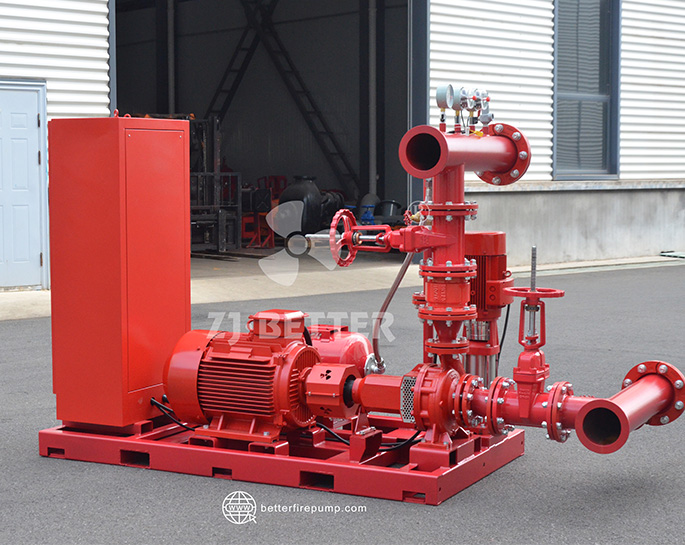
A fire pump’s role is simple yet essential: to supply the water pressure needed for sprinklers, hydrants, and standpipe systems to work effectively. In high-rise buildings, industrial plants, warehouses, airports, and petrochemical facilities, fire pumps are the final safeguard when municipal water pressure is insufficient.
Even the most advanced sprinkler system becomes ineffective if the fire pump cannot provide the necessary flow and pressure. This is why codes and engineering standards emphasize performance testing as a core requirement rather than an optional task.
Fire pumps are not everyday-use equipment. They may run only a few minutes per week during churn tests and rarely operate under actual fire conditions. Without load testing, there is no certainty they will meet their rated capacity when needed. Unlike general mechanical equipment, a fire pump cannot “almost work.” It either delivers full performance, or it fails entirely. Routine performance testing is the only method to confirm it remains dependable.
Why Fire Pump Performance Testing Matters
1. Ensures the Pump Meets NFPA Requirements
NFPA 25 mandates an annual flow test for fire pumps to confirm they can deliver 100% of rated flow, plus 150% where applicable. These requirements exist because fire pumps naturally degrade over time. Valves may become restricted, impellers may wear out, and diesel engines or controllers may show early signs of failure. Only a full performance test can detect these issues before they become catastrophic in a real emergency.
2. Identifies Performance Decline Before It Becomes Dangerous
Even well-manufactured pumps experience performance decline over the years. Wear, corrosion, scale buildup, and mechanical issues can reduce efficiency. Without annual performance testing, a facility may not recognize a 10–20% drop in flow or pressure until it is too late. A pump that no longer achieves its rated output cannot support the fire protection demand of the building.
3. Protects Lives and Property During a Fire Event
Fire pumps are designed to activate automatically when system pressure falls below a set point, typically caused by a sprinkler head opening. During fire conditions, the pump must perform without hesitation. If a facility has skipped performance testing, the risk of malfunction increases significantly. In real fire investigations, many system failures trace back to neglected pump testing rather than equipment defects. Performance testing is a direct investment in life safety.
4. Helps Prevent Costly Damage and System Downtime
Minor issues detected during a performance test are usually easy and inexpensive to fix. However, problems that go unnoticed can lead to major repairs or even complete pump replacement. Water supply blockages, misaligned shafts, clogged suction lines, or deteriorated valves often reveal themselves during testing. Identifying these early helps avoid emergency repair costs and unplanned system downtime.
5. Ensures Compliance for Insurance and Project Approvals
Insurance companies expect fire pumps to be tested regularly. Failure to comply with NFPA testing requirements can lead to increased premiums or denial of claims after a fire. Similarly, many project handovers, audits, and inspections require proof of annual performance testing. Skipping these tests risks penalties, failed inspections, and delays in obtaining occupancy permits.
What Happens If Fire Pump Performance Testing Is Skipped?
Skipping fire pump testing may seem harmless—until a real emergency occurs. The risks include:
Hidden Mechanical Failures
Components like bearings, couplings, and impellers may deteriorate over time. Without performance testing, these issues remain invisible.
Inadequate Water Flow or Pressure
Even a small drop in pump performance can prevent sprinklers or hydrants from working effectively, allowing a controllable fire to escalate.
Blocked Suction Lines or Partially Closed Valves
Debris, corrosion, and accidental valve closure are common causes of poor water flow. Performance testing immediately reveals such restrictions.
Diesel Engine Failure During Load Conditions
Diesel-driven fire pumps face additional risks: fuel system issues, battery failure, overheating, and governor malfunction. These problems often appear only during load tests.
Controller, Transfer Switch, or Power Issues
Electric fire pumps depend on reliable power supply, controller function, and automatic starting mechanisms. Performance tests validate that the pump starts correctly under real conditions.
Non-Compliance With NFPA 25
A skipped test constitutes a violation that may impact legal liability, insurance, and building certification.
Catastrophic Consequences During a Fire
A pump that fails during an emergency not only causes property loss but also puts occupants and firefighters at risk. Many major fire losses could have been prevented with proper pump testing.
How Fire Pump Performance Testing Works
Performance testing follows a structured process designed to measure real operating conditions. While procedures vary slightly depending on pump type—diesel, electric, end suction, split case, vertical turbine—the core steps are similar.
1. Visual Inspection
Before testing begins, technicians inspect the pump, piping, valves, gauges, and electrical or engine connections to ensure everything is in operable condition.
2. Churn (No-Flow) Test
This confirms the pump can start, run smoothly, and build pressure without flowing water. It verifies:
-
starting reliability
-
stable operating pressure
-
abnormal vibration or noise
-
controller response
3. Flow Test at Multiple Points
The pump is tested at:
-
0% load (churn)
-
100% rated flow
-
150% of rated flow (when permitted by the system design)
These points allow technicians to verify that the pump curve matches the manufacturer’s specifications. Deviations indicate wear, blockage, or mechanical issues.
4. Recording System Pressure and Suction Conditions
Data such as discharge pressure, suction pressure, flow rates, and pump speed are compared to reference values.
5. Evaluation and Reporting
Any deficiencies are documented and recommendations are provided for corrective action. Testing reports become part of the facility’s permanent fire safety records.
The Role of Professional Maintenance and Certified Testing
While basic weekly inspections can be performed by facility staff, performance testing must be carried out by trained and certified technicians. Professional testing ensures:
-
calibrated instruments for accurate measurement
-
knowledge of NFPA requirements
-
detection of subtle mechanical issues
-
proper documentation for compliance
Professional teams also understand the specific characteristics of different pump types, such as vertical turbine pump alignment, diesel engine governor response, or UL/FM-certified pump curve evaluation.
The Manufacturer’s Perspective: Why We Emphasize Testing
As a manufacturer of fire pumps, we design pumps to deliver stable, reliable performance under extreme conditions. But even the best-engineered pump requires periodic testing due to real-world variables such as:
-
water quality and corrosion
-
system design changes
-
vibration or misalignment
-
wear of rotating components
-
valve failure
-
electrical or engine degradation
We frequently see facilities that install high-quality pumps but fail to maintain or test them regularly. Over time, this exposes the equipment to failure risks that could have been avoided with routine performance tests.
Nothing is more important than ensuring a fire pump can perform exactly as designed when a real fire occurs.
How Often Should Fire Pump Performance Testing Be Done?
NFPA 25 requires:
-
Weekly: Visual inspection and churn test for diesel pumps
-
Monthly: Churn test for electric pumps
-
Annually: Full flow performance test
-
Every 3–5 years: Internal inspection depending on system type
These are minimum requirements. Facilities with higher risk—such as oil & gas, chemical plants, or high-rise complexes—often perform additional tests to ensure continuous reliability.
Common Issues Discovered During Performance Testing
Fire pump performance tests routinely uncover issues such as:
-
misaligned shafts
-
worn impellers
-
deteriorated casing rings
-
air leaks in suction piping
-
corroded valves
-
blocked strainers
-
faulty sensors or pressure switches
-
engine overheating
-
failing batteries
-
incorrect controller settings
Most of these issues are preventable and easily corrected when detected early. This is the value of performance testing—it converts unexpected emergencies into manageable maintenance tasks.
Why Performance Testing Protects Your Investment
Fire pumps represent a significant capital investment. Regular performance testing extends the pump’s service life by ensuring:
-
optimal operating conditions
-
minimal mechanical stress
-
early detection of faults
-
proper system alignment
A well-maintained fire pump can operate effectively for decades. Skipping testing shortens equipment lifespan and increases the likelihood of expensive emergency repairs or replacements.
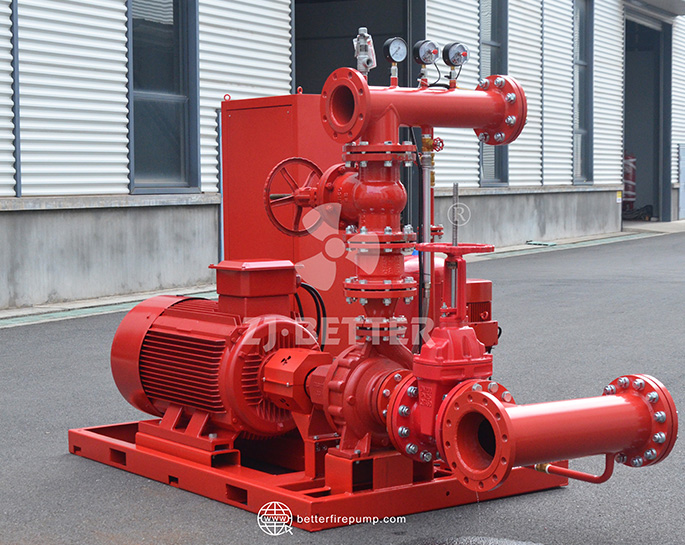
Conclusion: Fire Pump Performance Testing Is Non-Negotiable
Fire pump performance testing is not merely a regulatory requirement—it is an essential life-safety practice that ensures the reliability of the entire fire protection system. Skipping these tests creates unacceptable risks and undermines the purpose of having a fire pump in the first place.
A fire pump must be ready to perform flawlessly at the exact moment it is needed. Performance testing is the only way to guarantee that reliability. For facility managers, engineers, and fire safety professionals, consistent testing is a small investment with significant benefits: safety, compliance, cost savings, and peace of mind.
If your building relies on fire pumps, make performance testing a permanent part of your fire protection strategy. It cannot—and must not—be skipped.