
.png)
.png)
.png)
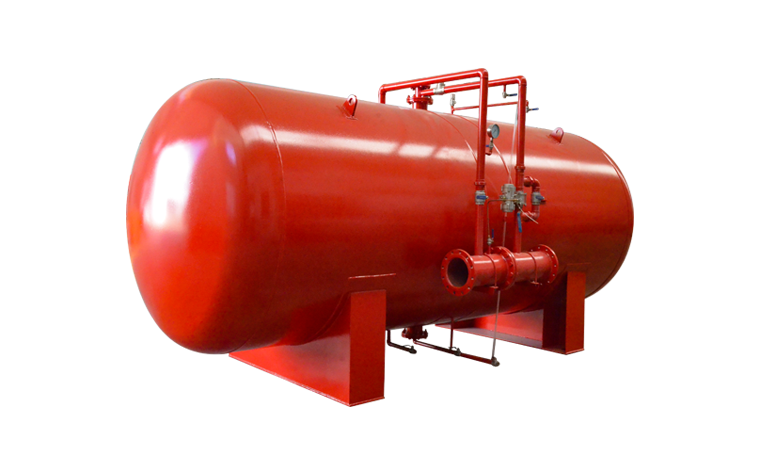
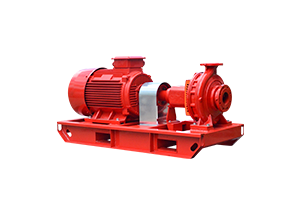
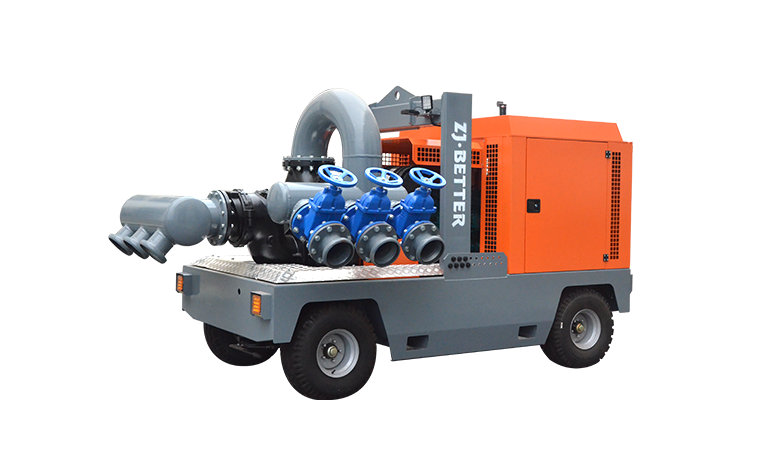
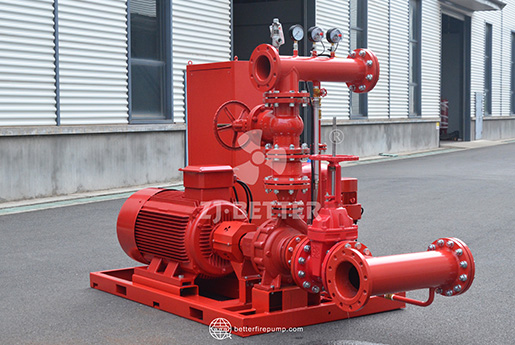
A reliable fire pump system is the backbone of any fire-protection strategy. Whether installed in commercial buildings, industrial facilities, logistics centers, or high-rise complexes, the fire pump system must perform instantly and flawlessly during an emergency. Yet many fire pump failures occur not because of manufacturing defects, but because of improper maintenance, neglected inspections, incorrect installation, or avoidable wear and tear. Knowing how to extend the lifespan of your fire pump system is essential for protecting both lives and property.
Fire pumps are long-term assets. With proper care, a well-designed system can operate effectively for 15–25 years or more. As a manufacturer of fire pumps, we see a significant difference between systems maintained correctly and those neglected over time. This article provides a complete, practical guide to extending the lifespan of your fire pump system while ensuring compliance, reliability, and long-term savings.
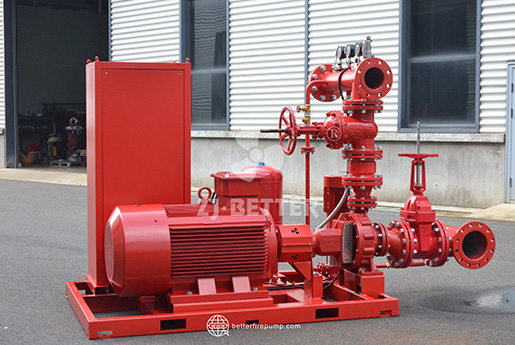
1. Start With the Right Installation Conditions
The long life of a fire pump system begins long before the first startup. Even the highest-quality fire pump will experience premature deterioration if installed under poor conditions. Proper site preparation includes ensuring structural stability, vibration control, and environmental protection.
Key factors that influence system lifespan at installation:
Stable Foundations
Fire pumps need a rigid, reinforced concrete foundation to minimize vibration. Excessive vibration can loosen bolts, strain mechanical seals, and accelerate the wear of bearings and couplings.
Proper Alignment
Misalignment between pump and driver is one of the most common causes of premature mechanical failure. Laser alignment or precision alignment should always be completed during installation and rechecked after initial operation.
Avoiding Flooding and Excess Humidity
A fire pump room should be clean, dry, and well-ventilated. Standing water or high humidity corrodes metal components, damages electrical systems, and reduces insulation resistance.
Adequate Space for Maintenance
A cramped pump room leads to skipped service tasks. Ensuring enough space around each component extends the life of the entire system.
A well-installed pump protects against many avoidable problems and sets the foundation for long-term reliability.
2. Follow a Consistent and Documented Preventive Maintenance Program
Preventive maintenance is the number-one factor in extending fire pump lifespan. Maintenance should not be reactive; it must be planned, documented, and aligned with recognized standards such as NFPA 25.
A good maintenance program includes:
Weekly inspections
A quick visual and operational checks can catch early issues that, if ignored, become costly repairs. Weekly tasks typically include:
-
Checking pump room temperature
-
Inspecting for leaks around flanges, valves, and seals
-
Ensuring power supply is normal
-
Observing pressure levels on gauges
-
Listening for unusual noise or vibration
Weekly inspections ensure the pump is always in a ready state.
Monthly testing
Running the pump under no load (jockey and fire pump) or using a flow test line helps keep mechanical components lubricated and functional. For diesel pumps, monthly testing also verifies battery health, fuel system integrity, and engine mechanics.
Annual flow testing
A full churn/flow test confirms whether the pump still meets its rated performance. This test identifies declining efficiency, worn impellers, clogged suction lines, or system restrictions.
Documentation
Maintenance logs are often required by insurance companies, fire authorities, and auditors. More importantly, good documentation enables technicians to detect performance trends or emerging problems early.
Consistent preventive maintenance dramatically improves pump reliability and extends the life of all major components.
3. Use High-Quality Replacement Parts and Components
Using substandard replacement parts is one of the fastest ways to shorten a fire pump’s lifespan. Components such as bearings, seals, impellers, and pressure relief valves must meet manufacturer specifications and comply with fire-protection standards.
Why genuine parts matter:
-
They match the original tolerance and performance requirements
-
They ensure proper hydraulic performance
-
They prevent premature wear of adjacent components
-
They maintain the UL or NFPA design integrity of the system
Investing in high-quality components reduces long-term maintenance costs and protects the original design performance of the system.
4. Maintain Proper Lubrication and Cooling
Lubrication and cooling are critical for the longevity of rotating equipment. Lack of lubrication results in bearing failure, overheating, and mechanical seizure.
Best practices:
-
Follow manufacturer recommendations for lubrication frequency
-
Use the specified grade of lubricant
-
Check the oil level and condition regularly
-
Ensure cooling water paths (for diesel engine pumps) are not blocked
-
Inspect engine radiators and heat exchangers regularly
Lubrication is a small task that prevents major failures. When maintained correctly, the pump shaft, bearings, and driveline components stay in optimal condition for years.
5. Protect Against Corrosion and Environmental Damage
Corrosion is one of the most common lifetime-reducing factors for fire pump systems. Environmental exposure to humidity, chemicals, salt, or polluted air can significantly degrade components.
Ways to extend system life through corrosion protection:
Painting and Coating Maintenance
Recoat pumps, pipes, and valves when paint begins to peel or metal surfaces oxidize.
Humidity Control
Keep pump room humidity below 75% to prevent rust and electrical damage.
Water Quality Management
Poor water quality can damage impellers, wearing rings, and casings over time. Regularly inspect suction strainers and flush the system if sediment builds up.
Protect Against Rodents and Pests
Wiring, insulation, and small components can be damaged by pests if not properly secured.
Environmental controls preserve the structural integrity of the pump and supporting equipment.
6. Monitor Vibration and Noise Levels
Vibration analysis is a powerful tool for predicting equipment failure before it happens. Excess vibration is one of the clearest signs of underlying mechanical issues.
Common causes of vibration:
-
Misalignment
-
Worn bearings
-
Imbalanced impellers
-
Loose mounting bolts
-
Cavitation
-
Pipe strain
Routine vibration monitoring helps identify these issues while they are still easy to correct. Addressing vibration early significantly extends bearing and seal life.
7. Ensure Proper Operation of Controllers and Electrical Systems
Electrical components are essential for fire pump reliability, especially in electric fire pump systems. The controller must respond instantly in an emergency.
Regular checks include:
-
Tightening electrical connections
-
Inspecting for moisture or corrosion inside panels
-
Testing alarms and automatic start features
-
Checking power supply stability
-
Replacing worn batteries for diesel controllers
Electrical faults often go unnoticed until failure occurs, making regular testing vital for lifespan and safety.
8. Conduct Regular Diesel Engine Maintenance (For Diesel Fire Pumps)
Diesel fire pumps require additional care because the engine involves multiple systems that can degrade if neglected.
Key maintenance tasks include:
-
Fuel quality checks to avoid contamination and algae growth
-
Cooling system flush and inspection
-
Battery replacement and load testing
-
Air filter cleaning
-
Exhaust system inspection
-
Oil change at recommended intervals
Diesel engines that are not tested regularly may fail to start when needed. Proper maintenance ensures long-term engine health and readiness.
9. Avoid Common Mistakes That Shorten Fire Pump Lifespan
Certain maintenance mistakes are surprisingly common and often responsible for reducing fire pump life.
Avoid:
-
Running the pump dry
-
Ignoring abnormal noise or vibration
-
Delaying seal replacement
-
Allowing overheating during test runs
-
Using incompatible lubricants
-
Skipping annual performance testing
-
Allowing air leaks in suction piping
Correcting these errors protects the system from unnecessary wear and damage.
10. Train Personnel for Correct Operation and Inspection
Untrained or inexperienced personnel can unintentionally harm a fire pump system. Proper training ensures daily and weekly checks are performed correctly and early anomalies are detected.
Training programs should cover:
-
Basic pump operation
-
Difference between jockey, electric, and diesel fire pumps
-
Alarm handling procedures
-
How to identify leaks, overheating, or abnormal noises
-
Importance of regular testing
Well-trained personnel are one of the most effective ways to extend the pump's lifespan.
11. Schedule Professional Inspections and Overhauls
Even with excellent internal maintenance, periodic professional inspections are necessary. Manufacturers and certified technicians can spot deeper issues and verify compliance.
Recommended intervals:
-
Minor professional inspection every year
-
Major overhaul every 5–10 years depending on operating hours, water quality, and environmental conditions
An experienced technician may catch equipment degradation before it becomes a costly emergency repair or replacement.
12. Replace Aging Components Before They Fail
Fire pumps rarely fail suddenly; most components show signs of wear long before breakdown. Replacing aging parts proactively extends the life of the entire pump assembly.
Examples of parts that should be replaced before failure:
-
Mechanical seals
-
Bearings
-
Gaskets
-
Pressure gauges
-
Rubber hoses (diesel engines)
-
Corroded bolts or fittings
-
Old batteries
Proactive replacement reduces downtime and protects the system’s long-term health.
Conclusion: Long-Term Reliability Begins With Proper Care
Extending the lifespan of your fire pump system is not complicated, but it requires consistent attention, proper installation, and proactive maintenance. A fire pump is a mission-critical piece of equipment — its reliability can determine the outcome of a fire emergency. By following the best practices outlined in this article, facility managers and fire safety professionals can ensure their systems operate at peak condition for decades.
A well-maintained fire pump system protects people, property, and business continuity. Investing in high-quality equipment, regular inspections, and skilled personnel will always pay off through improved reliability, reduced repair costs, and extended service life.