
.png)
.png)
.png)
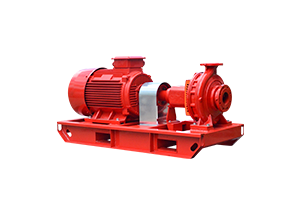
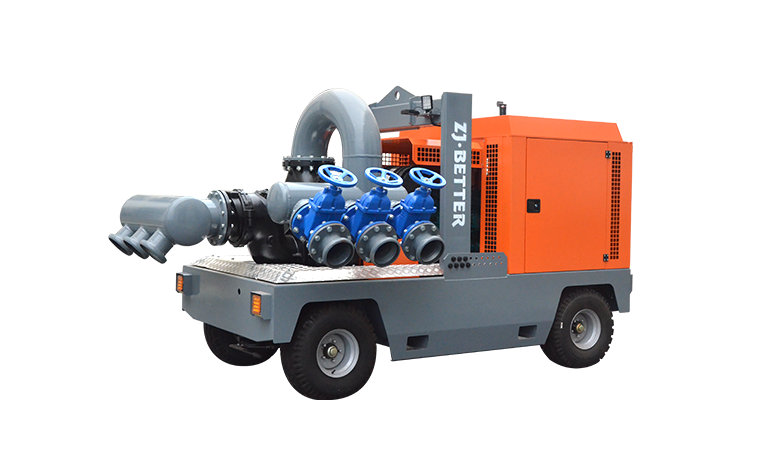
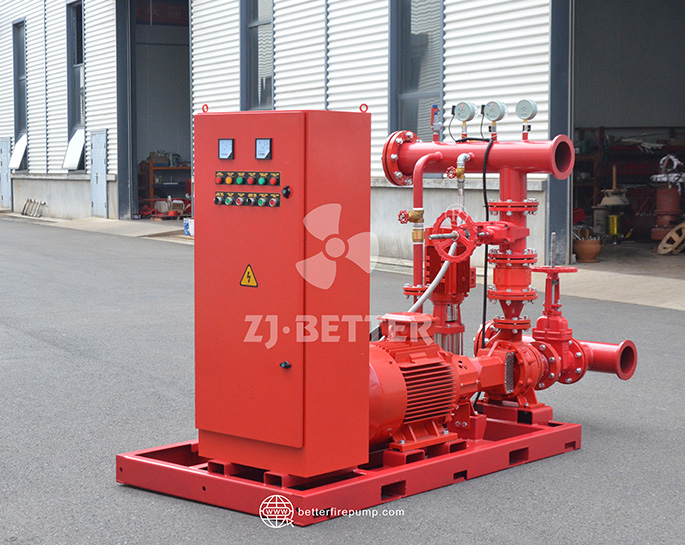
Fire pumps are the backbone of any building’s fire protection system. When an emergency strikes, they must start instantly and supply the correct pressure to the sprinkler or hydrant network. Yet fire pumps are often overlooked until something goes wrong—usually during the moment they are needed most. Regular fire pump maintenance is the most effective way to ensure long-term reliability, prevent equipment failure, and avoid costly downtime that can shut down operations and put lives at risk.
This article explains why consistent inspection, testing, and servicing are essential for both diesel and electric fire pumps, what problems are most commonly found during maintenance, and how proactive care saves facility owners significant money and ensures compliance with fire protection standards such as NFPA 20 and NFPA 25.
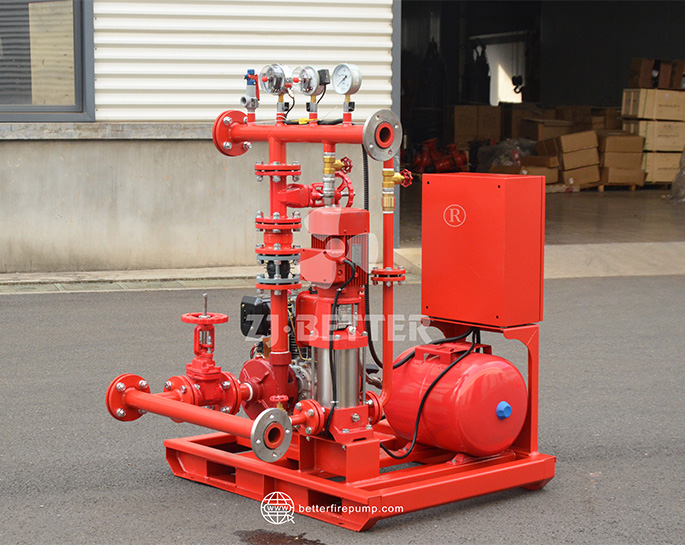
Fire Pumps Fail When They Are Neglected
Fire pumps are designed to be robust, but they operate under demanding mechanical and environmental conditions. Over time, components wear out, connections loosen, and internal parts degrade. When this natural deterioration is ignored, the system becomes increasingly vulnerable to unexpected failures.
Common issues caused by lack of maintenance include:
-
Pump not starting during a fire emergency
-
Motor or diesel engine overheating
-
Low discharge pressure
-
Leaking seals and worn bearings
-
Blocked suction strainers
-
Corroded or deteriorated piping
-
Controller malfunction
-
Battery failure in diesel fire pumps
-
Misalignment between pump and driver
-
Air leaks in vertical turbine fire pump suction lines
Any one of these issues can stop a fire pump from performing its job. The financial impact is not just the cost of repairs—it includes operational downtime, potential facility shutdowns, and non-compliance penalties.
Downtime Is More Expensive Than Maintenance
The cost of a routine maintenance program is minimal compared to the consequences of fire pump downtime. When a fire pump is out of service, the entire building’s fire protection system is compromised. Insurance companies may require temporary fire guards, and in some locations, the facility must halt certain operations until the system is fully restored.
Unexpected fire pump failure can result in expensive outcomes such as:
-
Emergency repair fees
-
Replacement of burned-out motors or engines
-
Damaged pump components due to overheating
-
Water damage from system malfunctions
-
Shutdown of production lines or business operations
-
Increased insurance risk
-
Fines for failing inspections
A scheduled maintenance plan costs far less than repairing a pump that has failed because of neglect. Reliability is always the cheaper option.
Maintenance Ensures Compliance with Fire Protection Standards
Technically sound maintenance is not only a best practice—it is required by global fire protection standards. NFPA 20 specifies fire pump installation requirements, while NFPA 25 outlines strict rules for inspection, testing, and maintenance.
Routine maintenance protects you from issues such as failing government inspections, failing insurance audits, or facing legal liability after a fire event. A properly maintained fire pump is documented, traceable, and compliant.
Key Maintenance Tasks That Keep Fire Pumps Running
Proper fire pump maintenance includes scheduled tasks that must be performed weekly, monthly, quarterly, semi-annually, and annually. These tasks ensure that the pump will start automatically and operate at the required pressure during an emergency.
1. Weekly Testing
Weekly testing is typically a no-flow (churn) test to check:
-
Automatic start sequence
-
Controller indicators
-
Pump vibration and noise
-
Suction and discharge pressure
-
Diesel engine fuel levels and battery condition
Many pump failures are prevented at this stage because early signs of trouble are easy to detect.
2. Monthly Visual Inspections
A monthly inspection helps detect wear, leaks, or improper conditions such as:
-
Signs of corrosion or rust
-
Abnormal vibration
-
Damaged electrical wiring
-
Oil or coolant leaks in diesel pumps
-
Loose nuts, bolts, or couplings
This simple process reduces the risk of long-term failures.
3. Quarterly Maintenance
Quarterly maintenance is more comprehensive and may include tasks such as:
-
Cleaning strainers
-
Checking alignment between pump and driver
-
Testing alarms and controllers
-
Checking pump bearings and temperature
Neglected alignment issues are one of the top causes of pump vibration and bearing failure.
4. Annual Testing and Certification
The annual full-flow performance test is the most important maintenance activity. It verifies that the pump can deliver its rated flow and pressure.
Annual checks typically include:
-
Full-flow test through the test header
-
Verification of pressure relief valves
-
Inspection of wear rings, gaskets, and seals
-
Diesel engine load testing
-
Controller calibration
-
Electrical and mechanical evaluations
This test ensures the pump continues to meet design requirements and can perform when needed.
Maintenance Extends the Life of Fire Pumps
A well-maintained fire pump system can operate reliably for 15–20 years or longer. Without maintenance, that lifespan is dramatically reduced. Mechanical components such as bearings, seals, impellers, and shafts wear out faster when problems go unnoticed.
Maintenance helps extend pump life by:
-
Reducing mechanical stress
-
Preventing overheating and misalignment
-
Avoiding corrosion-related failures
-
Ensuring proper lubrication
-
Maintaining clean and stable power supply to motors
-
Keeping diesel engines in prime condition
Replacing a complete fire pump system is far more expensive and disruptive than maintaining it regularly.
Common Failures That Routine Maintenance Prevents
Routine fire pump maintenance prevents many common and costly failures, including:
Motor or Engine Failure
Overheating, electrical faults, poor lubrication, and misalignment can all cause premature motor or engine breakdown.
Pressure Loss
Wear on impellers or blocked suction strainers can cause a drop in discharge pressure, reducing system performance.
Seal and Bearing Wear
Leaks and vibration destroy bearings and seals over time, leading to expensive repairs.
Controller Malfunction
Controllers are the "brain" of the fire pump system. Loose connections, faulty relays, and battery failure can all prevent automatic starting.
Corrosion Damage
Moisture, condensation, and poor environmental conditions lead to rust and deterioration that shorten the system lifecycle.
Diesel Engine Starting Issues
Weak batteries, low fuel levels, clogged injectors, and poor air intake are common causes of startup failure.
Vertical Turbine Pump Air Leaks
Vertical turbine fire pumps depend on a tight suction line. Even a small air leak prevents priming, causing the pump to fail.
All of these failures can be prevented—or detected early—through a well-structured maintenance plan.
Maintenance Protects Critical Facilities from Shutdown
Industries such as data centers, hospitals, airports, manufacturing facilities, shopping malls, and petrochemical plants cannot afford fire protection downtime. A single shutdown caused by fire pump failure can result in millions of dollars in losses.
Fire pump maintenance ensures continuous operation and protects businesses from forced closures by safety authorities or insurance requirements.
Proactive Maintenance = Long-Term Cost Savings
The true value of fire pump maintenance comes from its long-term benefits. By identifying early warning signs, maintenance prevents catastrophic breakdowns and costly emergency repairs. It also reduces the total cost of ownership over the pump’s lifetime.
A proactive maintenance strategy offers the following advantages:
-
Lower repair costs
-
Higher equipment reliability
-
Longer service life
-
Better emergency readiness
-
Improved safety for occupants
-
Protection of property and assets
-
Prevention of operational downtime
-
Compliance with fire protection standards
-
Reduced insurance risk
For facility managers and building owners, regular maintenance is not just an expense—it is a smart, protective investment.
Conclusion: Regular Maintenance Keeps Your Fire Pump Ready When It Matters Most
Fire pump maintenance is essential for reliability, safety, and cost control. A fire pump must operate instantly during an emergency, and the only way to ensure that reliability is through consistent and documented maintenance. By preventing unexpected failures, reducing downtime, and extending the life of your equipment, a proper maintenance program protects both people and property.
For building owners, contractors, and fire protection engineers, the message is clear: regular fire pump maintenance is the most effective way to prevent costly downtime and ensure the continuous performance of your fire protection system.
If you want, I can also write:
✅ A Chinese version
✅ A shorter LinkedIn version
✅ A downloadable PDF version
Just tell me!