
.png)
.png)
.png)
Why Fire Pump Commissioning Is Crucial for Safety
Nov 13, 2025
Share:
Fire pumps are the heart of a fire protection system. They determine whether life-saving water pressure reaches sprinklers and hydrants when a fire breaks out. But even the most advanced fire pump cannot guarantee safety unless it has been correctly commissioned. Fire pump commissioning is the process of verifying that a new or upgraded fire pump system performs according to design standards, safety codes, and real-world requirements.
Commissioning is not a single step—it is a comprehensive, structured procedure involving inspection, mechanical checks, electrical verification, and performance testing. For building owners, contractors, and fire safety professionals, proper commissioning is essential. It ensures not only regulatory compliance but the reliability and functionality of the entire fire protection strategy.
This article explains why fire pump commissioning is indispensable, what it includes, and how it safeguards both life and property.
.jpg)
Understanding Fire Pump Commissioning
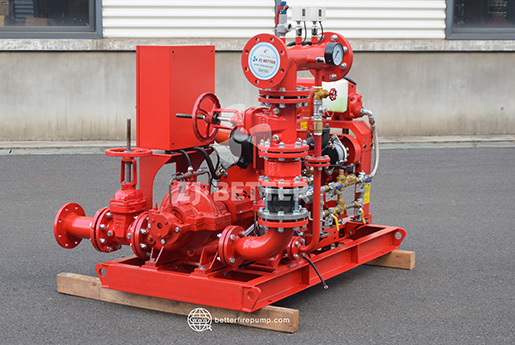
Fire pump commissioning is the formal process of starting up a fire pump for the first time after installation and verifying that it meets all operational requirements. It confirms that the pump, driver, controller, piping, electrical connections, and system performance all align with standards such as NFPA 20.
Commissioning is typically performed by qualified technicians, manufacturers, engineers, and fire safety professionals. It includes:
-
Visual inspection
-
Mechanical and electrical checks
-
Flow and pressure performance testing
-
Safety interlock verification
-
Documentation and reporting
When done correctly, commissioning ensures the fire pump will operate as intended during an emergency.
1. Commissioning Confirms the Pump Performs to Design Standards
Fire pumps are engineered to deliver a specific flow and pressure required by the fire protection design. Incorrect installation, inadequate electrical supply, piping errors, or improper settings can all reduce a pump’s performance.
Commissioning identifies these issues before they become life-threatening. During performance testing, technicians measure actual flow rates at various points and compare them with the rated conditions. If the pump fails to meet design requirements, adjustments can be made immediately.
Without proper commissioning, a fire pump may appear operational but fail under real fire conditions.
2. Commissioning Ensures Compliance With NFPA 20 and Local Regulations
Fire protection systems are heavily regulated. NFPA 20 outlines strict requirements for fire pump installation, operation, and acceptance testing. Authorities having jurisdiction (AHJs) often require full commissioning documentation before approving occupancy.
Commissioning ensures that:
-
Suction supply is adequate
-
Relief valves, gauges, and controllers are configured correctly
-
Drivers meet required performance standards
-
System behavior matches NFPA 20 guidelines
Non-compliance can lead to rejected inspections, project delays, penalties, and increased liability. Proper commissioning protects building owners and contractors from these costly risks.
3. Commissioning Detects Installation Errors Before They Cause Failures
Even experienced installers can make mistakes. Improper alignment, incorrect wiring, air leaks in suction lines, or closed valves can all compromise fire pump performance.
Common errors discovered during commissioning include:
-
Misaligned pump and driver
-
Incorrect rotation direction
-
Undersized power cables
-
Improperly installed check valves
-
Cavitation due to incorrect suction piping
-
Faulty controller settings
-
Inadequate ventilation for diesel engine pumps
Commissioning catches these issues early, saving time, money, and potential disaster. Detecting a problem during commissioning is far cheaper than discovering it during an emergency.
4. Commissioning Verifies System Safety Features
Fire pump systems include multiple safety features designed to protect both equipment and building occupants. Commissioning ensures these functions operate properly.
Key safety interlocks tested during commissioning include:
-
Automatic start and stop sequence
-
Emergency stop function
-
Overload protection
-
Controller signal interface
-
Jockey pump coordination
-
Alarm transmission to the fire panel
If any safety device fails to respond correctly, the system could become dangerous or non-functional. Commissioning ensures every safety element works seamlessly.
5. Commissioning Reduces the Risk of Pump Failure in Real Emergencies
Statistics consistently show that fire pumps fail to start or deliver rated performance in many real-world fire incidents. The majority of failures are caused by preventable issues such as:
-
Incorrect settings
-
Poor electrical connections
-
Inadequate testing
-
Valve misalignment
-
Faulty sensors or switches
Commissioning significantly reduces the likelihood of failure. By verifying performance under stress conditions—full flow, partial flow, churn—the pump is proven reliable before it is relied on for life safety.
6. Commissioning Extends the Lifespan of the Fire Pump
A fire pump is a long-term investment. Proper commissioning improves long-term performance by ensuring the system starts its life cycle in optimal condition.
During commissioning, technicians make sure:
-
Bearings are lubricated correctly
-
Alignment between pump and driver is within tolerance
-
Electrical components are not overloaded
-
Pressure settings match equipment specifications
These factors affect vibration, wear, and mechanical integrity. Proper commissioning protects the pump from premature damage, ensuring decades of service.
7. Commissioning Helps Document System Performance for Future Maintenance
A major part of commissioning is the creation of formal documentation, including:
-
Test results
-
Measured flow and pressure
-
Electrical readings
-
Controller logs
-
Observed mechanical conditions
This documentation is essential for:
-
Annual fire pump testing
-
Troubleshooting future issues
-
Meeting insurance requirements
-
Proving compliance for audits
Without a commissioning record, facility managers lack the baseline information needed to compare future performance and detect degradation.
8. Commissioning Builds Confidence for Owners and Safety Teams
When a fire breaks out, there is no second chance. Everyone—from building occupants to emergency responders—must trust that the fire pump will operate as intended.
Proper commissioning:
-
Demonstrates that professionals verified each critical component
-
Builds confidence in the reliability of the fire protection system
-
Reduces worries about system failure
-
Provides peace of mind to owners, engineers, and occupants
Reliability is not just mechanical—it's psychological. A properly commissioned fire pump builds trust.
9. What Happens During a Fire Pump Commissioning Process
Commissioning is not a single test but a full sequence of tasks. The typical process includes:
A. Pre-Commissioning Inspection
-
Verifying installation
-
Checking alignment
-
Inspecting electrical connections
-
Confirming suction supply
-
Examining valves, gauges, and accessories
B. Mechanical and Electrical Verification
-
Checking pump rotation
-
Inspecting couplings
-
Testing controller signals
-
Verifying motor/engine performance
C. Performance Testing
This includes churn, 100% rated flow, and 150% rated flow testing.
Technicians record:
-
Discharge pressure
-
Suction pressure
-
Net pressure
-
Flow rate
-
Voltage and amperage
-
Vibration levels
D. Safety and Alarm Testing
-
Automatic start
-
Manual start and stop
-
Failure alarms
-
Emergency shutdown
E. Final Reporting
The commissioning team prepares detailed records, observations, and recommendations.
10. Who Should Conduct Fire Pump Commissioning?
Commissioning must be carried out by qualified professionals familiar with fire pump systems and applicable codes. This typically includes:
-
Fire pump manufacturers
-
Factory-trained technicians
-
Certified fire protection engineers
-
Specialized commissioning firms
Unqualified personnel may overlook critical safety issues. Using trained professionals ensures accuracy, compliance, and reliability.
11. When Should Fire Pump Commissioning Be Performed?
Commissioning should be carried out:
-
After installation of any new fire pump
-
After major repairs or modifications
-
When replacing controllers or drivers
-
Before government inspection
-
Before building occupancy approval
Every time a fire pump is altered, commissioning ensures the system still performs correctly.
12. The Cost of Skipping Commissioning
Skipping commissioning may seem like a time-saving shortcut, but it introduces serious risks:
-
Fire pump failure during a real emergency
-
Non-compliance with NFPA 20
-
Failed inspections
-
Insurance claim denial
-
Equipment damage
-
Increased liability for owners and contractors
The cost of commissioning is small compared to the potential consequences of an untested pump.
13. Commissioning Supports a Complete Fire Protection Strategy
Fire pumps are only one part of a larger fire protection system. Sprinklers, hydrants, alarms, and standpipes all rely on proper water pressure. If the fire pump is not functioning correctly, the entire system is compromised.
Commissioning strengthens the entire safety ecosystem by ensuring:
-
Water delivery is reliable
-
Pressure meets system requirements
-
Automatic functions activate correctly
-
Integration with alarms is seamless
A weak fire pump weakens the whole system. Commissioning reinforces every part of fire safety.
Conclusion: Commissioning Is the Foundation of Fire Pump Reliability
In fire safety, reliability is everything. Fire pump commissioning ensures that the heart of the fire protection system is ready to perform during critical moments. It confirms compliance, detects installation errors, verifies safety features, and guarantees long-term performance.
For manufacturers, contractors, engineers, and building owners, commissioning is not optional—it is essential. Proper commissioning saves lives, protects property, and ensures that the fire pump system performs exactly as designed when every second counts.