
.png)
.png)
.png)
Why Choosing an Experienced Fire Pump Manufacturer Matters?
Dec 17, 2025
Share:
Fire protection systems are not optional safeguards; they are life-saving infrastructures designed to perform flawlessly under the most extreme conditions. At the heart of these systems lies the fire pump, a critical component responsible for delivering water at the required pressure and flow when a fire emergency occurs. When a fire pump fails, the consequences can be catastrophic, resulting in property loss, business interruption, or even loss of life.
For this reason, choosing an experienced fire pump manufacturer is not simply a procurement decision. It is a strategic choice that directly impacts safety, compliance, reliability, and long-term operational performance. In an industry governed by strict standards, complex engineering, and zero tolerance for failure, experience matters more than price or appearance.
This article explores why selecting an experienced fire pump manufacturer is essential and how it influences every stage of a fire protection project, from design and certification to installation, operation, and long-term maintenance.
.jpg)
Fire Pumps Are Safety-Critical Equipment
Unlike many industrial pumps, fire pumps are rarely used during normal operations. However, when they are needed, they must start instantly, operate continuously, and perform exactly as designed. There is no room for trial and error during a fire emergency.
An experienced fire pump manufacturer understands that fire pumps are not general-purpose pumps. They are engineered safety systems that must meet specific performance criteria defined by international standards such as NFPA 20 and certification bodies like UL and FM. Every component, from the pump casing and impeller to the controller and driver, must function together as a reliable system.
Manufacturers with long-term experience design their products with real-world fire scenarios in mind. They understand high-rise buildings, industrial plants, data centers, power stations, warehouses, and infrastructure projects all present different challenges. This understanding translates into products that perform reliably under pressure, temperature extremes, and extended run times.
Deep Understanding of Codes and Standards
Fire pump systems are governed by strict regulations that vary by country, region, and project type. Compliance is not optional, and non-compliant systems can lead to failed inspections, delayed project handover, legal liability, and insurance issues.
An experienced fire pump manufacturer has a deep understanding of applicable standards, including:
-
NFPA 20 requirements for fire pump installation
-
UL and FM approval processes
-
Local fire authority and civil defense requirements
-
Project-specific specifications from consultants and insurers
This expertise ensures that the fire pump system is designed and manufactured to meet all technical and regulatory requirements from the beginning. Experienced manufacturers anticipate compliance challenges early and provide correct documentation, drawings, performance curves, and test reports without delays.
In contrast, inexperienced suppliers often rely on generic designs or incomplete knowledge, leading to costly redesigns, failed inspections, or rejected equipment during commissioning.
Proven Engineering and Design Capability
Fire pump systems are not one-size-fits-all solutions. Each project has unique hydraulic requirements, environmental conditions, power availability, and installation constraints. Experienced manufacturers have in-house engineering teams capable of designing customized fire pump solutions that meet exact project needs.
This includes:
-
Correct pump selection based on flow, pressure, and system demand
-
Proper driver matching for electric motors or diesel engines
-
Accurate sizing of controllers, fuel tanks, and accessories
-
Consideration of altitude, ambient temperature, and site conditions
Years of experience allow manufacturers to refine their designs through real project feedback. They understand common mistakes, failure points, and installation challenges, and they design their products to minimize risk and simplify commissioning.
Engineering experience also ensures system efficiency. Properly designed fire pumps reduce mechanical stress, improve longevity, and deliver stable performance during extended operation.
Reliable Manufacturing Quality and Consistency
Fire pumps must perform consistently over many years, often remaining idle for long periods before being called into service. This makes manufacturing quality and material selection critically important.
Experienced fire pump manufacturers invest in:
-
Precision machining and controlled manufacturing processes
-
High-quality materials for casings, shafts, bearings, and seals
-
Strict quality control at every production stage
-
Factory performance testing under real operating conditions
Consistency is a hallmark of experience. A manufacturer with years of production history delivers repeatable quality across multiple projects and markets. Contractors and consultants trust experienced suppliers because they know what to expect in terms of performance, documentation, and support.
Inexperienced manufacturers may offer attractive pricing but often lack stable production processes. This can result in inconsistent quality, premature wear, vibration issues, or unexpected failures during testing or operation.
Certification and Testing Expertise
Obtaining third-party certification such as UL listing is a complex and resource-intensive process. It requires not only product compliance but also audited manufacturing facilities, traceability, and ongoing quality assurance.
Experienced fire pump manufacturers understand certification requirements thoroughly. They design products specifically to meet certification standards rather than attempting to adapt general pumps later. They also maintain certified production lines and testing facilities that meet audit requirements year after year.
Factory testing is another critical area where experience matters. Proper fire pump testing verifies flow, pressure, efficiency, and performance stability across the operating range. Experienced manufacturers conduct these tests accurately, document results clearly, and ensure test conditions reflect real-world operation.
This expertise reduces project risk and gives end users confidence that the fire pump system will perform as required when it matters most.
System Integration and Package Expertise
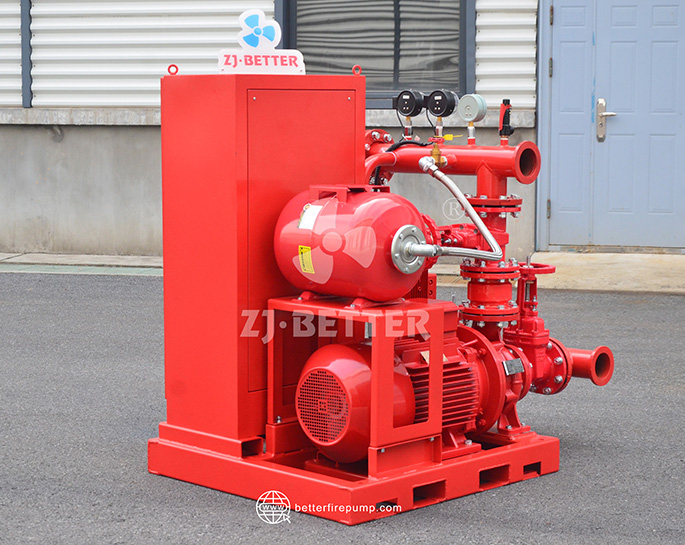
Modern fire protection projects increasingly require complete fire pump package sets rather than individual components. These packages may include pumps, drivers, controllers, fuel systems, base frames, piping, and accessories.
An experienced fire pump manufacturer understands system integration. They design package sets where all components are compatible, correctly sized, and arranged for easy installation and maintenance. They also consider vibration control, alignment, accessibility, and ventilation from the beginning.
This system-level expertise reduces installation time, minimizes site errors, and improves long-term reliability. It also simplifies coordination between contractors, consultants, and inspectors, as the package is delivered as a cohesive, tested system rather than a collection of parts from multiple suppliers.
Strong Project Support and Technical Communication
Fire pump projects involve multiple stakeholders, including consultants, contractors, inspectors, authorities, and end users. Clear technical communication is essential throughout the project lifecycle.
Experienced manufacturers provide:
-
Accurate technical submittals and drawings
-
Responsive engineering support during design review
-
Clear installation and operation manuals
-
Professional support during factory acceptance tests and site commissioning
They understand project timelines and pressures and can respond quickly to technical questions or changes. This level of support helps keep projects on schedule and reduces misunderstandings that can lead to costly delays.
In contrast, suppliers without experience often struggle to provide timely and accurate technical responses, creating frustration and risk for all parties involved.
Long-Term Reliability and Lifecycle Value
Fire pump systems are long-term investments expected to operate reliably for decades. While initial purchase price is important, it represents only a fraction of the total lifecycle cost.
Experienced fire pump manufacturers design products with durability and serviceability in mind. They use proven components, provide clear maintenance guidance, and ensure spare parts availability over the long term.
This focus on lifecycle value results in:
-
Reduced maintenance costs
-
Fewer unexpected failures
-
Longer service life
-
Higher system availability
From an owner’s perspective, choosing an experienced manufacturer means peace of mind. The fire pump system is not just compliant at installation but remains dependable throughout the life of the building or facility.
Reduced Risk and Greater Accountability
Experience brings accountability. Established fire pump manufacturers have reputations to protect and long-term relationships with clients, certification bodies, and authorities. They stand behind their products and take responsibility for performance and compliance.
This accountability reduces risk for project owners and contractors. When issues arise, experienced manufacturers have the knowledge, resources, and commitment to resolve them efficiently.
Choosing an inexperienced supplier may shift risk onto the project team, leading to disputes, rework, or even system replacement. In fire protection, risk reduction should always be a top priority.
Conclusion
Choosing an experienced fire pump manufacturer is one of the most important decisions in any fire protection project. Experience influences design accuracy, regulatory compliance, manufacturing quality, system integration, and long-term reliability.
Fire pumps are not commodities. They are safety-critical systems that must perform flawlessly under the most demanding conditions. An experienced manufacturer brings proven engineering, certified quality, and dependable support that cannot be replicated overnight.