
.png)
.png)
.png)
What Is a Fire Pump Operation Sequence?
Nov 27, 2025
Share:
Fire safety is a critical concern for commercial, industrial, and residential buildings. One of the most vital components of a fire protection system is the fire pump. Fire pumps ensure that water is delivered with sufficient pressure and flow to fire sprinkler systems or standpipes in the event of a fire. However, understanding how a fire pump operates, particularly its operational sequence, is essential for both system designers and building managers. Understanding this sequence helps ensure that the fire protection system functions reliably during emergencies.
.jpg)
Understanding the Fire Pump System
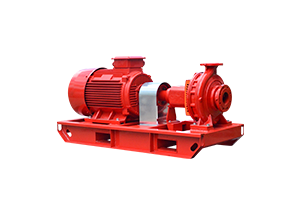
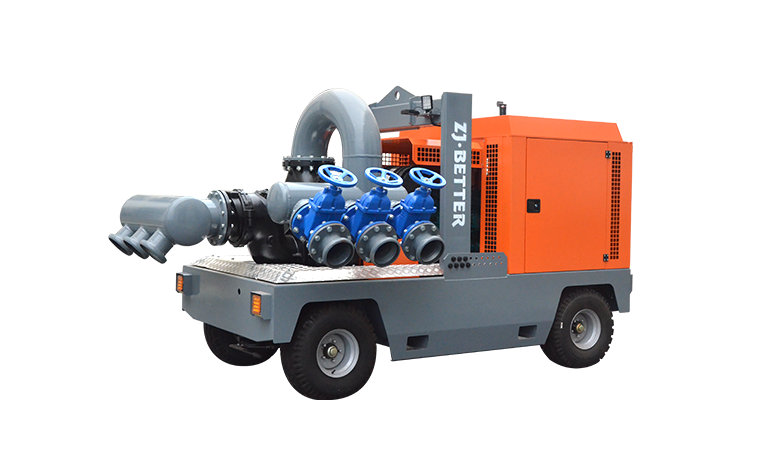
A fire pump is part of a complete fire protection system, which typically includes water supply, fire sprinklers, valves, controllers, and hoses. Fire pumps can be electric, diesel, or steam-driven, with electric and diesel being the most common. The pump remains on standby under normal conditions and activates only when the system detects a drop in water pressure caused by sprinkler activation or hose use.
The operation of a fire pump is guided by standards such as NFPA 20, which outlines design, installation, and maintenance requirements to ensure optimal performance.
Key Components Involved in Fire Pump Operation
Before diving into the operation sequence, it’s important to know the main components that work together:
-
Fire Pump – Either electric or diesel, responsible for pressurizing water.
-
Pump Controller – Monitors system pressure and automatically starts the pump when needed.
-
Jockey Pump – A smaller pump that maintains system pressure during minor leaks, preventing unnecessary fire pump activation.
-
Pressure Sensors or Switches – Detect drops in water pressure in the fire sprinkler system.
-
Relief Valves and Check Valves – Ensure correct flow direction and prevent backflow.
Fire Pump Operation Sequence: Step by Step
The fire pump operation sequence defines how the system responds to a fire emergency, ensuring reliable water delivery. While specific sequences may vary slightly based on pump type, controller type, and system design, the general sequence includes the following steps:
1. Standby Mode
In standby mode, the fire pump is not running. The system remains pressurized through the water supply network, often maintained by the jockey pump. The pump controller monitors system pressure continuously. During this stage, all valves are closed, and the fire pump remains ready to start instantly if needed.
2. Detection of Pressure Drop
When a fire occurs, sprinklers or hoses open, causing water to flow and creating a pressure drop in the fire protection system. Pressure sensors or switches detect this drop. Typically, a pressure switch is set to a threshold that triggers the pump when pressure falls below a certain point, often around 10% below normal system pressure.
3. Automatic Start Signal
Upon detecting a pressure drop, the pump controller sends a signal to the fire pump to start. For electric fire pumps, this initiates an electric motor drive. For diesel fire pumps, the controller signals the diesel engine to start. The system ensures a safe startup by performing pre-start checks, including verifying that the pump is ready and there are no faults.
4. Pump Starting Phase
Once the pump receives the start command:
-
Electric pumps energize their motor and ramp up to operational speed.
-
Diesel pumps go through engine ignition, throttle control, and acceleration to full speed.
This phase is crucial because any delay can reduce water delivery when it’s needed most. Controllers are often designed to allow rapid response while protecting the pump from mechanical stress.
5. Pump Running at Full Capacity
After starting, the pump reaches operational speed and delivers water at the required pressure and flow. The controller ensures that the pump operates within safe limits and continues supplying water to the sprinkler or standpipe system. At this stage, the fire pump maintains pressure while the fire suppression system works to control or extinguish the fire.
6. Monitoring and Control
During operation, the controller monitors parameters such as:
-
Pump discharge pressure
-
Pump suction pressure
-
Engine speed or motor current
-
Flow rate (if equipped with flow sensors)
If any abnormalities are detected, the system triggers alarms to alert personnel, allowing immediate corrective action. Some advanced controllers can even modulate pump output to maintain optimal system performance.
7. Fire Extinguishment and Pressure Recovery
Once the fire is extinguished or the sprinklers are closed, water flow decreases, and system pressure stabilizes. The fire pump continues to run until the system returns to normal pressure levels. The controller ensures a smooth transition from full operation to standby mode.
8. Automatic Stop
After pressure stabilizes and there is no demand for water, the controller stops the fire pump. Diesel engines enter a cooldown mode before shutting down completely, while electric pumps simply de-energize. The system then resets to standby mode, ready for the next activation.
9. Post-Operation Checks
After any fire pump operation, maintenance personnel should perform post-operation inspections. These include checking for mechanical wear, verifying proper controller function, inspecting the pump room for leaks, and ensuring valves and gauges are in good condition. Regular testing and inspection, as recommended by NFPA 25, are critical for reliability.
Differences in Operation: Electric vs Diesel Fire Pumps
While the general sequence remains similar, there are operational differences between electric and diesel fire pumps:
-
Electric Fire Pumps: Start almost instantly upon receiving a signal from the controller. They are ideal for facilities with reliable power sources and require minimal pre-start procedures.
-
Diesel Fire Pumps: May take longer to start due to engine ignition and throttle ramping. Diesel pumps are preferred in locations where electric power may be unreliable or unavailable during emergencies.
Importance of the Fire Pump Operation Sequence
Understanding and maintaining the fire pump operation sequence is crucial for:
-
System Reliability: Ensures water is delivered promptly during a fire emergency.
-
Safety Compliance: Adheres to NFPA standards, reducing legal and insurance risks.
-
Equipment Longevity: Proper sequencing reduces mechanical stress, extending the lifespan of pumps and controllers.
-
Emergency Readiness: Quick response minimizes fire damage and protects lives.
Testing and Maintenance Recommendations
Regular testing of fire pumps is vital to verify that the operation sequence functions correctly:
-
Weekly Churn Test: Runs the pump without opening the system to verify startup.
-
Annual Flow Test: Simulates actual fire conditions by flowing water through the system to check pressure and flow rates.
-
Controller Inspection: Ensure all electrical connections, alarms, and safety interlocks operate correctly.
-
Lubrication and Mechanical Check: Inspect bearings, couplings, and engine components to prevent failure during operation.
By following a disciplined testing and maintenance schedule, facility managers can ensure their fire pump system will perform as intended in a real fire emergency.
.jpg)
Conclusion
The fire pump operation sequence is the backbone of a reliable fire protection system. From standby mode to automatic start, full operation, and shutdown, each step is designed to ensure rapid water delivery under emergency conditions. Understanding this sequence allows engineers, designers, and facility managers to optimize fire safety performance, maintain NFPA compliance, and protect both property and lives. Whether using electric or diesel fire pumps, following proper procedures, regular testing, and diligent maintenance ensures the fire protection system will respond effectively when it is needed most.
By investing time in understanding the fire pump operation sequence, professionals in the fire safety field can significantly enhance building protection, reduce fire risks, and ensure compliance with safety regulations.