
.png)
.png)
.png)
How to Improve Fire Pump Efficiency With Proper Setup
Nov 27, 2025
Share:
Fire pumps are the heart of any fire protection system, ensuring that water is delivered efficiently to suppress fires when seconds matter most. While choosing a high-quality fire pump is crucial, the setup and installation process plays an equally important role in achieving optimal performance and efficiency. Poor installation can lead to reduced flow, pressure losses, higher energy consumption, and even pump failure. This article explores practical steps to enhance fire pump efficiency through proper setup and maintenance.
1. Understanding Fire Pump Requirements
Before installation, it is essential to evaluate the requirements of your fire protection system. This includes understanding the water supply, building layout, and the system's hydraulic demands. Fire pumps should meet the performance criteria outlined in NFPA 20 for fire pump systems, which specify minimum flow rates, pressure, and pump capacity.
Proper assessment ensures that the pump size matches the system demand. Oversized pumps may cycle unnecessarily, consuming more energy, while undersized pumps fail to deliver sufficient pressure during emergencies. Consulting hydraulic calculations or fire protection engineers can help determine the right pump type, whether electric or diesel, vertical turbine, or horizontal split-case designs.
2. Selecting the Right Fire Pump Type
Different fire pump types offer unique advantages, and choosing the right type is critical for efficiency:
-
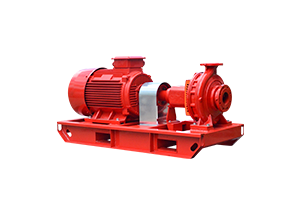
Electric Fire Pumps: Ideal for facilities with reliable electrical supply, offering quiet operation and consistent performance.
-
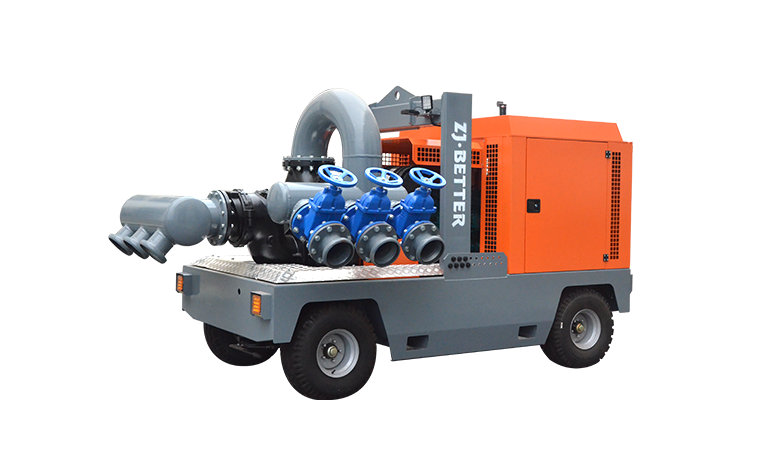
Diesel Engine Fire Pumps: Preferred for locations where electricity may be unreliable. Diesel pumps deliver high starting torque and can operate independently of power grids.
-
Jockey Pumps: While small, they maintain system pressure and prevent frequent cycling of the main fire pump, indirectly improving efficiency.
Selecting the right pump type reduces unnecessary wear and tear, minimizes energy waste, and ensures reliable performance.
3. Proper Alignment and Mounting
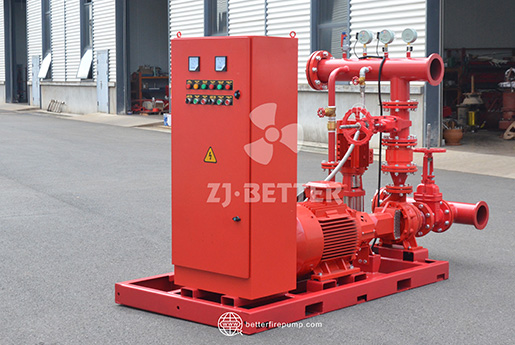
Correct alignment between the pump and driver is critical. Misalignment can create vibration, increased friction, and mechanical wear, all of which reduce pump efficiency. Vertical turbine and horizontal pumps must be mounted on solid, level foundations to prevent shifting over time. Anchoring the base properly and using anti-vibration mounts helps maintain alignment and prolongs pump life.
4. Optimizing Suction and Discharge Piping
Piping design directly affects pump efficiency. Suction piping should be short, straight, and free of unnecessary bends. Avoid sudden enlargements or reductions in pipe diameter, as these create turbulence and pressure losses. Properly sized suction and discharge lines reduce cavitation risk, improve flow stability, and enhance overall energy efficiency.
Discharge piping should also include appropriate valves, strainers, and check valves, all installed according to NFPA standards. Proper valve placement and regular inspection prevent pressure drops and maintain the designed flow rate, ensuring the pump operates at peak efficiency.
5. Maintaining Adequate NPSH
Net Positive Suction Head (NPSH) is a critical factor in pump performance. If the available NPSH is insufficient, cavitation can occur, damaging impellers and lowering efficiency. Calculating NPSH available at the installation site and ensuring it exceeds the pump's NPSH required is essential. Proper placement of suction tanks and ensuring consistent water supply prevent issues that reduce efficiency.
6. Ensuring Correct Pump Speed and Impeller Settings
Pump efficiency depends on operating within the design curve specified by the manufacturer. Impellers should be trimmed and set according to flow requirements. Operating a pump at speeds higher or lower than recommended reduces efficiency and increases energy consumption.
Variable frequency drives (VFDs) for electric pumps can optimize speed according to system demand, providing energy savings while maintaining fire safety standards. Diesel pumps require careful throttle adjustment to maintain optimal RPM under varying system pressures.
7. Regular Inspection and Preventive Maintenance
Even a perfectly installed pump can lose efficiency over time without proper maintenance. Key maintenance tasks include:
-
Inspecting bearings, seals, and coupling for wear
-
Checking alignment and foundation stability
-
Flushing strainers and cleaning suction lines
-
Testing pump performance against original design specifications
Preventive maintenance not only ensures efficient operation but also extends the lifespan of fire pumps, reducing the likelihood of costly repairs or replacements.
8. Monitoring System Performance
Installing gauges, sensors, and flow meters can provide real-time data on pump performance. Monitoring discharge pressure, flow rate, and motor load allows early detection of inefficiencies. Automation systems can alert operators to abnormal conditions, enabling timely intervention before efficiency is compromised.
9. Proper Commissioning
Commissioning is the process of testing and adjusting the pump system after installation. A thorough commissioning process ensures:
-
Correct pump rotation
-
Proper pressure and flow delivery
-
Reliable alarm and control system operation
Commissioning also includes verifying that the pump meets NFPA 20 standards. Skipping this step can result in suboptimal performance, energy waste, and potential system failures.
10. Training and Operator Awareness
A well-trained operator can make a significant difference in pump efficiency. Operators should understand start-up procedures, monitoring techniques, and emergency protocols. Regular training helps prevent human errors that could compromise performance, such as leaving a pump running unnecessarily or bypassing critical control systems.
11. Energy Efficiency Considerations
Modern fire pumps can be optimized for energy efficiency without compromising safety. Selecting high-efficiency motors, properly sizing the pump for expected demand, and integrating VFDs can significantly reduce energy costs. For diesel pumps, maintaining engine tuning and using fuel-efficient models contributes to overall efficiency.
12. Environmental and Safety Compliance
Efficiency is not only about performance but also about compliance. Ensuring that pumps are installed according to local codes and NFPA standards minimizes risks, improves reliability, and avoids penalties. Proper setup reduces wear, lowers energy use, and ensures a safer fire protection system for building occupants.
.jpg)
Conclusion
Improving fire pump efficiency is a combination of proper selection, careful installation, regular maintenance, and operator awareness. By addressing these key areas—pump type, alignment, piping, NPSH, commissioning, and monitoring—facilities can maximize pump performance, reduce energy consumption, and ensure reliable operation when it matters most. Proper setup is not just a technical requirement; it’s a vital investment in safety, efficiency, and long-term performance of your fire protection system.