
.png)
.png)
.png)
How to Diagnose Fire Pump Overheating Problems
Nov 25, 2025
Share:
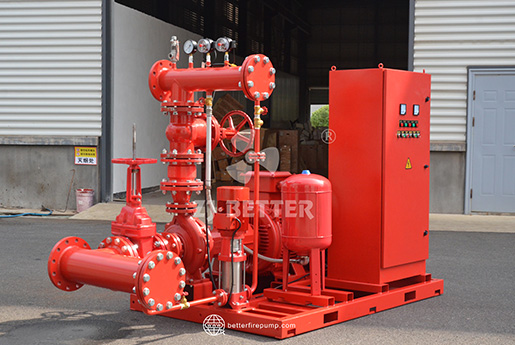
Fire pumps are essential components of any fire protection system, designed to provide the necessary water flow and pressure during fire emergencies. Ensuring they operate efficiently is critical for the safety of buildings, equipment, and personnel. One of the most common operational issues with fire pumps is overheating, which can lead to reduced efficiency, mechanical damage, or even system failure if not diagnosed and addressed promptly.
Understanding the root causes of fire pump overheating and knowing how to troubleshoot these issues is essential for facilities managers, fire safety engineers, and maintenance teams. In this article, we explore the main causes of overheating, the diagnostic steps to identify problems, and best practices to prevent recurrence.
Common Causes of Fire Pump Overheating
-
Improper Pump Sizing
Overheating can occur if a fire pump is not properly sized for the system demand. A pump that is too small will work harder than it should, causing excessive heat buildup. Conversely, a pump that is too large may operate inefficiently, leading to temperature fluctuations and stress on components. -
Excessive Operating Pressure
Pumps operating above their designed pressure limits generate more heat. This may result from closed valves downstream, blocked discharge lines, or incorrect system design. Monitoring pressure gauges regularly can help detect abnormal operating conditions early. -
Insufficient Cooling or Lubrication
Diesel and electric fire pumps rely on proper cooling and lubrication to operate within safe temperature limits. Low coolant levels, poor oil quality, or malfunctioning cooling systems can quickly lead to overheating. For electric pumps, inadequate ventilation or blocked cooling fans can have a similar effect. -
Cavitation and Air Entrapment
Cavitation, caused by vapor bubbles forming and collapsing inside the pump, can create localized heating and damage to impellers. Air trapped in suction lines or pump casing reduces water flow, increasing the temperature and stressing pump components. -
Mechanical Issues
Worn bearings, misaligned shafts, or damaged impellers increase friction, which translates directly into heat. Regular inspections and preventative maintenance are crucial to identifying these issues before they escalate into serious overheating problems. -
Electrical Problems (for Electric Pumps)
Overheating in electric fire pumps may also stem from electrical issues such as voltage imbalances, short circuits, or motor overload. These problems increase resistance and generate heat, which can reduce the life of the pump motor significantly.
Diagnosing Fire Pump Overheating
Proper diagnosis involves a systematic approach to identify the root cause of the problem. The following steps are recommended:
-
Monitor Temperature Readings
Most modern fire pumps are equipped with temperature sensors or gauges. Regularly check these readings during operation to identify abnormal spikes. For diesel pumps, monitor coolant, oil, and exhaust temperatures. For electric pumps, monitor motor windings and bearing temperatures. -
Inspect Pump Operation and Flow
Verify that the pump is operating within its designed flow and pressure range. Sudden drops in flow or pressure may indicate blockages, closed valves, or air entrainment issues. Flow meters and pressure gauges provide critical data for this assessment. -
Check Cooling and Lubrication Systems
Inspect coolant levels, radiator condition, and oil quality. Ensure all cooling fans and water jackets are functioning properly. Diesel pumps require oil viscosity checks and timely replacement; electric pumps rely on clean and unobstructed ventilation. -
Listen for Unusual Noises
Overheating is often accompanied by mechanical noises such as grinding, squealing, or knocking. These sounds indicate worn bearings, misaligned shafts, or cavitation. Investigate any unusual noise immediately, as continued operation may lead to severe damage. -
Inspect for Air Leaks or Cavitation
Air leaks in suction lines or improperly primed pumps can introduce air, causing cavitation. Examine suction piping, valves, and pump casing for signs of air entry. Proper priming and eliminating leaks will restore normal flow and reduce overheating risk. -
Evaluate Electrical Components (Electric Pumps)
Check voltage levels, wiring connections, and motor amperage. Overheating due to electrical issues can be prevented by correcting imbalances, replacing worn components, and ensuring proper grounding. -
Conduct Routine Load Tests
Regular load tests simulate real fire conditions and reveal how the pump responds under high-demand scenarios. Observing pump temperature, vibration, and pressure during these tests helps identify potential overheating problems before an actual emergency.
Best Practices to Prevent Overheating
-
Regular Maintenance Schedule
Establish a strict preventive maintenance program, including inspections, lubrication, and component replacement according to manufacturer recommendations. -
Proper Pump Selection and System Design
Ensure the fire pump is correctly sized for the building’s fire protection system. Work with engineers to confirm that flow, pressure, and head requirements match the pump’s specifications. -
Monitor Operating Conditions
Install sensors and alarms to monitor temperature, pressure, and flow in real time. Early detection of abnormal conditions allows corrective actions before damage occurs. -
Ensure Adequate Cooling and Ventilation
Keep radiators, fans, and cooling passages free from obstruction. Verify coolant and lubrication levels routinely. For electric pumps, maintain clear airflow around motors. -
Train Maintenance Personnel
Equip your maintenance team with the knowledge to detect early signs of overheating and perform corrective actions promptly. Familiarity with manufacturer manuals and recommended operating procedures is essential. -
Address Electrical and Mechanical Issues Promptly
Replace worn bearings, damaged impellers, and faulty electrical components without delay. Prolonging operation with damaged parts increases the risk of catastrophic failure and higher repair costs. -
Use Quality Fluids and Components
Employ manufacturer-recommended oils, coolants, and replacement parts. Inferior materials can lead to faster wear, reduced cooling efficiency, and overheating.
Conclusion
Fire pump overheating is a serious issue that can compromise the reliability of fire protection systems. By understanding the common causes, conducting thorough diagnostics, and implementing preventive measures, facilities managers and maintenance teams can ensure their pumps operate efficiently and safely. Proper monitoring, routine maintenance, and adherence to manufacturer guidelines are the keys to preventing overheating, extending the life of the pump, and maintaining uninterrupted fire protection readiness.
A proactive approach to fire pump maintenance not only safeguards the equipment but also protects lives and property, reinforcing the critical role of fire pumps in emergency preparedness.