
.png)
.png)
.png)
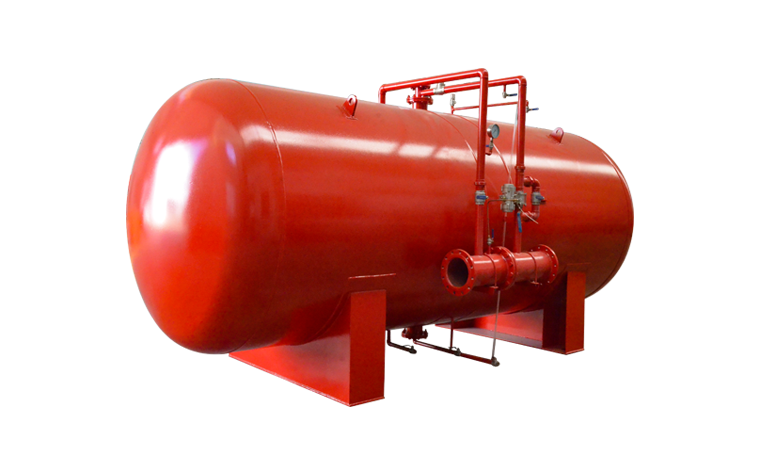
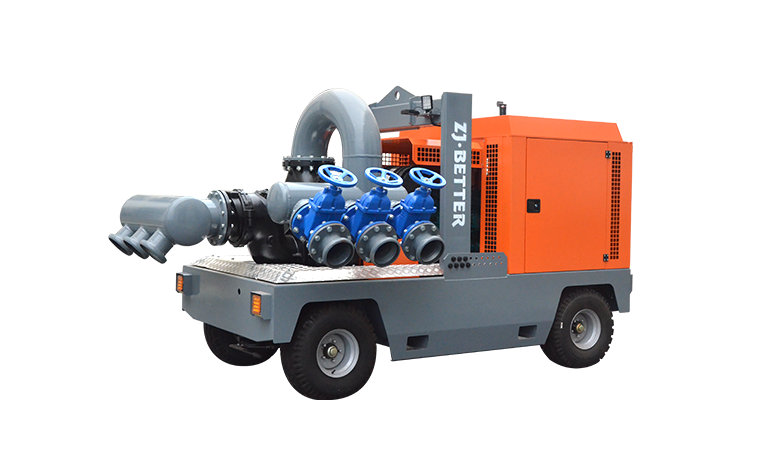
Fire pumps are a critical component of any fire protection system, ensuring adequate water pressure and flow to sprinkler systems and fire hoses when a fire occurs. However, simply installing a fire pump is not enough. Like any mechanical system, fire pumps require regular testing and maintenance to ensure they operate correctly when needed. Among these maintenance routines, the fire pump annual test plays a pivotal role in ensuring the safety of people and property.
.jpg)
Understanding the Fire Pump Annual Test
A fire pump annual test is a comprehensive evaluation of a fire pump system conducted once every year to verify that the pump, its components, and auxiliary systems are in optimal working condition. This test is not just a formality; it is a critical safety procedure required by the National Fire Protection Association (NFPA 25), which governs the inspection, testing, and maintenance of water-based fire protection systems.
The annual test examines the operational readiness of the fire pump under simulated emergency conditions. It includes measuring flow rates, checking pressure, verifying alarm systems, inspecting pumps and controllers, and confirming that both electric and diesel fire pumps start automatically when required. The ultimate goal is to ensure the fire pump can deliver adequate water to suppress a fire effectively.
Why Annual Fire Pump Testing Is Crucial
Fire pumps are designed to remain on standby for long periods, often months or even years without operation. Over time, components can degrade, lubrication can fail, electrical connections can corrode, and fuel for diesel pumps can deteriorate. Without regular testing, these issues might go unnoticed until a real fire occurs, potentially leading to system failure at a critical moment.
By performing an annual fire pump test, facility managers and fire safety professionals can:
-
Confirm the pump operates at the correct pressure and flow rate.
-
Detect mechanical issues or wear before they escalate.
-
Ensure alarms and monitoring devices function correctly.
-
Comply with NFPA 25 and local fire codes, avoiding potential fines or legal liability.
Components of a Fire Pump Annual Test
The annual test is more thorough than weekly or monthly inspections. It typically involves the following steps:
1. Visual Inspection
Before starting the pump, a technician inspects the fire pump room and all associated components. This includes checking for leaks, signs of corrosion, proper lubrication, and verifying that valves and piping are in the correct position.
2. Operational Test
The pump is started, either manually or automatically, to simulate emergency conditions. For diesel engine fire pumps, the fuel level, battery charge, and engine startup are verified. For electric fire pumps, electrical connections and motor operation are checked. The pump must reach the rated speed and maintain it during the test.
3. Flow and Pressure Verification
The fire pump’s performance is evaluated by measuring water flow and pressure. This ensures the system can deliver the required water volume to all parts of the building. Deviations from design parameters can indicate wear or other operational issues.
4. Alarm and Control System Check
Fire pumps are connected to alarms, controllers, and supervisory signals. The annual test verifies that all signals are functioning correctly, including water flow switches, pressure sensors, and emergency shutdowns.
5. Endurance Testing
Some facilities perform a short-duration endurance test, running the pump under load for a specific period to ensure stability and performance consistency. This step is particularly important for diesel engine pumps that may be idle for long periods.
6. Documentation and Reporting
After testing, a detailed report is generated, documenting the pump’s performance, any deficiencies found, and recommendations for corrective action. This documentation is essential for compliance with NFPA 25 and may be required by insurance companies or local authorities.
Differences Between Diesel and Electric Fire Pump Tests
While the annual test procedure is similar for all fire pumps, there are some differences between diesel and electric pumps:
-
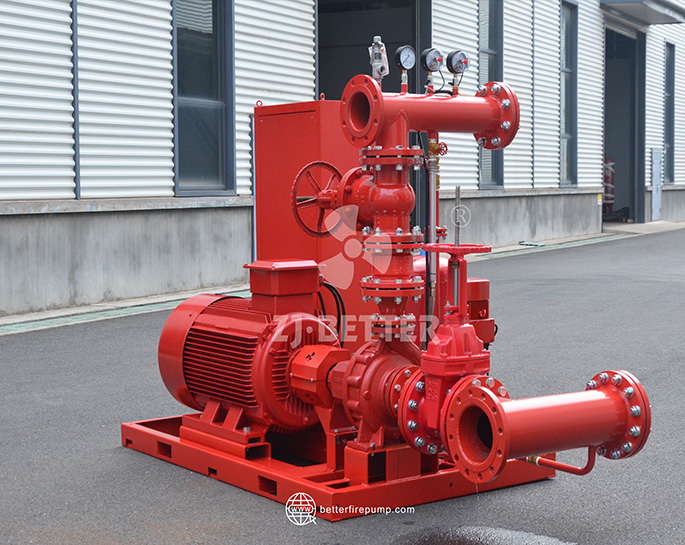
Diesel Fire Pumps: Focus is on fuel quality, battery condition, engine startup, and proper operation under load. Fuel degradation over time can be a significant issue, requiring fuel testing and possibly replacement.
-
Electric Fire Pumps: The test emphasizes motor operation, electrical connections, and controller functions. Issues such as motor insulation degradation, voltage drops, or mechanical binding must be checked.
Both types require flow and pressure verification, alarm system testing, and detailed reporting.
NFPA 25 Requirements for Annual Fire Pump Testing
The NFPA 25 standard outlines strict guidelines for fire pump inspections and testing. According to NFPA 25:
-
Fire pumps must be tested annually to ensure operational reliability.
-
The test must measure pump flow and pressure under conditions that simulate a fire emergency.
-
Any deficiencies discovered during testing must be corrected promptly.
-
Records of testing, findings, and corrective actions must be maintained for a minimum period (often three years) for regulatory compliance.
Compliance with NFPA 25 is not only a regulatory requirement but also a best practice to maintain insurance coverage and avoid legal liability in case of fire incidents.
Common Issues Identified During Annual Fire Pump Tests
Annual fire pump tests often reveal common issues that could compromise system performance if left unaddressed:
-
Pump cavitation or vibration: Can damage pump components and reduce efficiency.
-
Valve malfunction: Closed or partially closed valves can limit water flow.
-
Diesel fuel degradation: Old or contaminated fuel may prevent diesel pumps from starting.
-
Electrical problems: Loose wiring, blown fuses, or failed relays can prevent electric pumps from starting.
-
Leakage or corrosion: Can affect pump performance and long-term reliability.
Identifying these issues during annual testing allows for timely maintenance and ensures the system is ready in an emergency.
Benefits Beyond Compliance
While annual fire pump testing is a regulatory requirement, it also provides several operational benefits:
-
Enhanced Safety: Ensures that fire protection systems are fully operational, reducing the risk of catastrophic fire damage.
-
Reduced Equipment Failure: Early detection of mechanical or electrical issues prevents costly repairs or replacements.
-
Insurance Compliance: Many insurers require proof of regular testing for continued coverage.
-
Peace of Mind: Facility managers can be confident that their fire pump will operate when needed.
Tips for Conducting an Effective Fire Pump Annual Test
To maximize the benefits of your annual fire pump test, consider the following tips:
-
Hire certified and experienced fire pump technicians.
-
Schedule testing during periods of low operational impact to avoid disruptions.
-
Maintain detailed logs of all inspections, tests, and repairs.
-
Perform auxiliary maintenance such as battery testing, lubrication, and valve exercising.
-
Review past test reports to identify recurring issues or trends.
 Conclusion
The fire pump annual test is an essential part of maintaining a reliable fire protection system. By conducting comprehensive yearly inspections and operational checks, facility managers can ensure compliance with NFPA standards, protect property and lives, and extend the life of their fire pump system. Whether you operate diesel or electric fire pumps, an annual test is a critical investment in safety and operational reliability.
Regular testing is not just about compliance; it’s about confidence. When a fire occurs, every second counts. A well-maintained fire pump, verified through its annual test, can make the difference between minimal damage and a catastrophic loss.
Investing time and resources into fire pump annual testing is investing in the safety of everyone in your facility.