
.png)
.png)
.png)
How to Select a Fire Pump for High-Rise Buildings
Nov 03, 2025
Share:
Selecting the right fire pump for high-rise buildings is a critical decision in ensuring fire safety, protecting property, and saving lives. High-rise structures pose unique challenges for fire protection, including long vertical distances, high water pressure requirements, and strict regulatory compliance. Choosing a fire pump that meets these demands requires a careful assessment of building needs, pump types, and compliance standards.
.jpg)
Understand Fire Protection Requirements
Before selecting a fire pump, it is essential to understand the fire protection requirements for the building. High-rise buildings often fall under strict codes such as NFPA 20, which governs the installation of fire pumps in the United States. The building’s height, occupancy type, and fire suppression systems (sprinklers, standpipes) determine the pump capacity and type needed.
The first step is to calculate the required flow and pressure. Flow is measured in gallons per minute (GPM), and pressure is measured in pounds per square inch (PSI). High-rise buildings typically need pumps capable of generating high pressure to overcome friction losses in long vertical piping systems. Consulting with a fire protection engineer or using hydraulic calculations ensures accurate determination of the building’s fire pump requirements.
Determine Pump Type
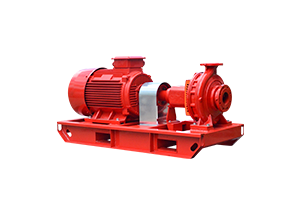
Fire pumps come in two main types: electric and diesel. Each has advantages depending on the building’s design, power availability, and operational priorities.
Electric Fire Pumps
Electric fire pumps are widely used due to their reliability, compact design, and quiet operation. They are ideal for buildings with stable and continuous power supply. Electric pumps require proper electrical infrastructure and must be connected to an emergency power source to remain operational during a power outage.
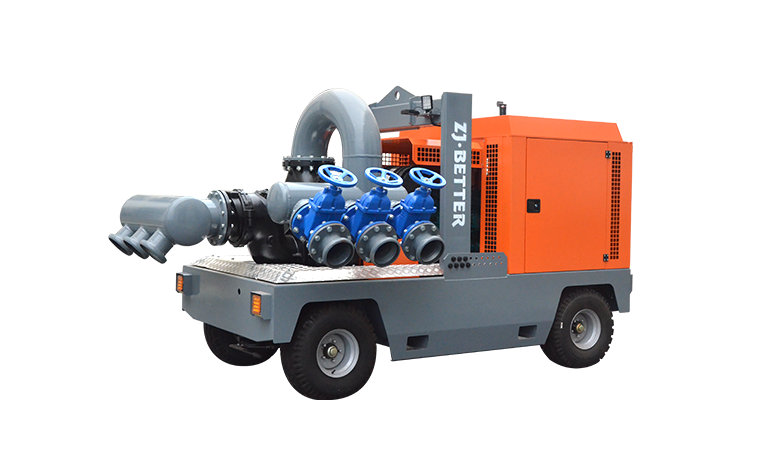
Diesel Fire Pumps
Diesel fire pumps are preferred for high-rise buildings where power interruptions are a concern. These pumps are self-contained with a diesel engine, providing independence from the building’s electrical system. Diesel pumps require regular maintenance and fuel supply management but are highly reliable in emergencies.
Some projects may use both electric and diesel fire pumps for redundancy, ensuring uninterrupted fire protection in critical structures.
Calculate Pump Capacity
Calculating the correct pump capacity is a vital step in fire pump selection. The pump must provide sufficient flow and pressure to meet the building’s firefighting demand. The required flow is determined by the sprinkler and standpipe systems, while pressure must account for elevation, friction losses, and residual pressure.
Key Factors for Capacity Calculation:
-
Building Height: Higher buildings need more pressure to push water to the upper floors.
-
Number of Floors: Each floor adds resistance and friction losses in the system.
-
Sprinkler System Design: The type and density of sprinklers impact water flow requirements.
-
Standpipe System: Standpipes require adequate pressure at all hose connections.
Hydraulic calculations are often performed using software or manual methods specified by NFPA 13 and NFPA 20 standards. These calculations ensure that the selected pump meets the design requirements under peak demand conditions.
Consider Compliance with Standards
Compliance with fire safety standards is non-negotiable. For high-rise buildings, pumps must meet NFPA 20 guidelines and, in many cases, UL (Underwriters Laboratories) listing or FM (Factory Mutual) approval. These certifications guarantee that the pump meets strict performance, durability, and safety requirements.
Key compliance considerations include:
-
UL Listing: Ensures pump reliability and adherence to safety standards.
-
NFPA 20 Compliance: Covers installation, testing, and maintenance requirements.
-
Local Regulations: Building codes may impose additional requirements specific to high-rise structures.
Using a UL-listed fire pump not only satisfies regulatory requirements but also provides assurance of quality and performance in emergency situations.
Evaluate Pump Components
Fire pumps consist of several components, including the pump casing, driver, controller, suction and discharge piping, and valves. High-quality components improve reliability and reduce downtime.
-
Pump Casing: Must withstand high pressure and provide smooth water flow.
-
Driver: Electric motors or diesel engines should be sized appropriately to match pump demand.
-
Controllers: Automatic controllers manage pump startup during emergencies and provide monitoring.
-
Valves and Piping: Properly sized valves and piping minimize friction losses and ensure consistent water delivery.
Selecting pumps with durable materials such as cast iron or stainless steel ensures longevity and resistance to corrosion, particularly in high-rise building environments where maintenance access can be challenging.
Consider Redundancy and Reliability
High-rise buildings often have critical fire protection needs. Installing multiple fire pumps in parallel provides redundancy, ensuring water supply remains uninterrupted if one pump fails.
-
Primary and Standby Pumps: NFPA 20 recommends having at least one standby pump for backup.
-
Dual Power Sources: Combining electric and diesel pumps enhances reliability.
-
Regular Testing: Routine testing and maintenance confirm that pumps function correctly in emergencies.
Reliability is essential because fire events in high-rise buildings can escalate quickly, and any delay in water delivery could have catastrophic consequences.
Plan for Installation and Maintenance
Proper installation and maintenance are crucial to the long-term performance of a fire pump. High-rise buildings often have limited space for pump rooms, requiring careful planning of pump layout, suction and discharge connections, and access for servicing.
-
Installation Considerations: Pump foundation, vibration isolation, and piping support are critical.
-
Maintenance Requirements: Regular inspection, testing, lubrication, and fuel management for diesel pumps ensure operational readiness.
-
Monitoring Systems: Remote monitoring and alarm systems can alert building managers to pump issues promptly.
Investing in a well-planned installation and maintenance program reduces downtime, prolongs pump life, and guarantees effective fire protection.
.jpg)
Conclusion
Selecting the right fire pump for high-rise buildings involves a systematic approach, including understanding building requirements, choosing the appropriate pump type, calculating capacity, ensuring compliance, evaluating components, and planning for redundancy and maintenance.
High-rise buildings demand reliable fire protection systems to safeguard lives and property. By following industry standards such as NFPA 20 and using UL-listed fire pumps, building owners and fire protection engineers can ensure that the fire pump system delivers optimal performance when it matters most.
Choosing a fire pump is not just a technical decision; it is an investment in safety, reliability, and peace of mind. Partnering with experienced manufacturers and adhering to best practices ensures that high-rise buildings are prepared for any fire emergency, providing a robust and efficient fire protection system.