
.png)
.png)
.png)
How to Install a Fire Pump in Confined Spaces
Nov 04, 2025
Share:
Installing a fire pump in confined spaces can present unique challenges. These areas often have limited access, restricted ventilation, and tight layouts that complicate both installation and ongoing maintenance. However, with careful planning, proper equipment selection, and adherence to fire safety standards, it is possible to achieve a safe, efficient, and compliant installation. This guide provides detailed steps and best practices for installing fire pumps in confined spaces, helping fire safety professionals, contractors, and building owners ensure reliable fire protection.
Understanding Confined Spaces in Fire Pump Installation
Confined spaces are defined as areas that are not designed for continuous occupancy and have limited openings for entry and exit. Common examples in fire pump installations include mechanical rooms, basements, utility shafts, or underground vaults. These spaces pose specific challenges: limited room for maneuvering heavy pumps, difficulty in routing piping and electrical conduits, and constraints for ventilation and lighting.
Before starting an installation, it is critical to perform a thorough assessment of the space. Measure the available clearance for the fire pump and associated equipment, identify access points for installation and maintenance, and evaluate ventilation needs to prevent overheating during operation. Understanding the physical and operational limitations of the space ensures that the installation can be executed safely and efficiently.
Choosing the Right Fire Pump for Confined Spaces
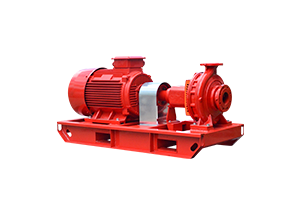
Selecting a suitable fire pump is the first step toward a successful installation. For confined spaces, the size, type, and layout of the pump are essential considerations. Vertical turbine pumps are often ideal for areas with limited floor space, while horizontal split-case pumps might require more room but can be easier to maintain if access is adequate. UL-listed fire pumps are recommended, as they meet recognized safety standards and are accepted in most jurisdictions.
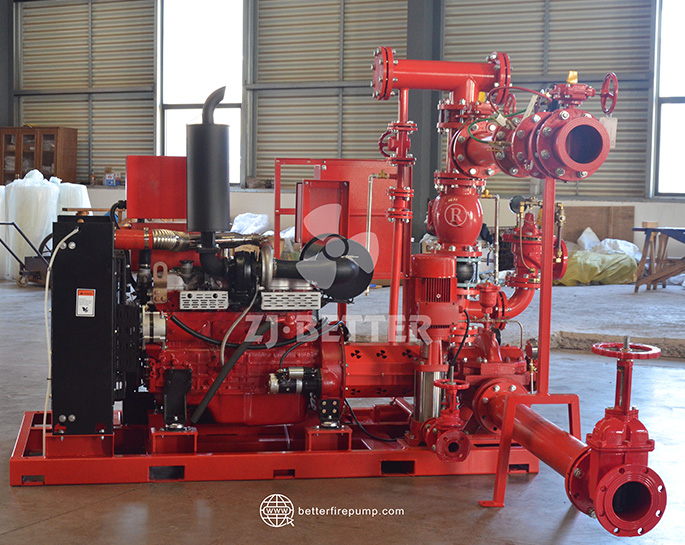
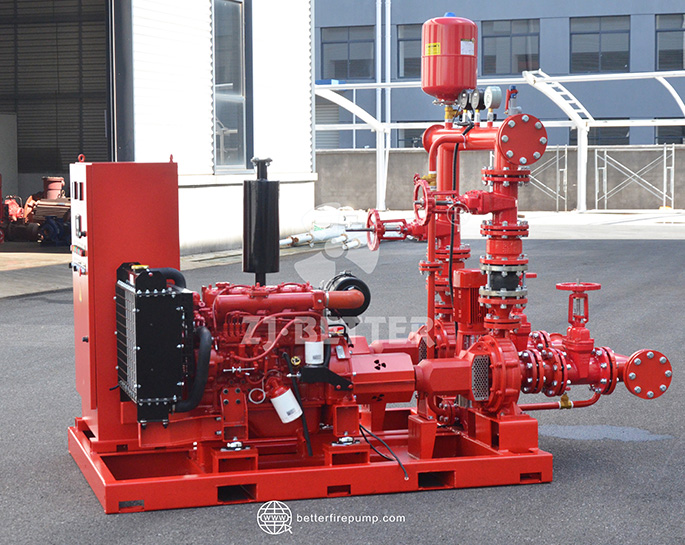
Additionally, consider the pump’s driver type. Diesel engine fire pumps are often chosen for locations without reliable electricity, but they require adequate exhaust ventilation. Electric fire pumps, on the other hand, demand less ventilation but must have sufficient electrical supply and breaker protection. Ensuring that the pump size aligns with the hydraulic demands of the building while fitting within the spatial constraints is critical for optimal performance.
Preparing the Confined Space
Before the pump arrives on-site, preparation is key. Clear the space of any obstructions, ensuring sufficient room to maneuver the pump, piping, and tools. Install temporary lighting and ensure ventilation is adequate to protect personnel during installation. Safety should always come first: confined spaces can pose risks such as low oxygen levels, toxic gases, or limited egress in emergencies. Personnel should follow OSHA or local safety regulations and wear appropriate personal protective equipment (PPE).
Another important step is verifying that the foundation and baseplate are level, stable, and capable of supporting the pump’s weight. In confined spaces, vibration isolation may also be required to minimize noise and structural stress. Proper alignment between the pump and driver is crucial, as misalignment can lead to premature wear and reduced performance.
Step-by-Step Installation Process
1. Positioning the Pump
Carefully move the fire pump into the confined space using appropriate lifting equipment. For vertical turbine pumps, the column may need to be assembled on-site due to its length. Always follow manufacturer guidelines for lifting and positioning. Ensure the pump’s suction and discharge connections are oriented correctly for piping installation.
2. Mounting and Alignment
Secure the pump on a properly prepared baseplate. Use shims and leveling tools to ensure that the pump is perfectly aligned. Misalignment can cause excessive vibration, bearing wear, and seal failure. For vertical pumps, ensure the column is straight and properly seated in the suction well.
3. Piping Installation
Install suction and discharge piping, taking care to minimize stress on the pump casing. Use flexible couplings or expansion joints if necessary to accommodate thermal expansion and vibration. In confined spaces, consider modular piping or pre-fabricated assemblies to ease installation. Avoid forcing pipe runs, as this can misalign the pump and compromise its performance.
4. Electrical and Control Connections
For electric fire pumps, install motor wiring, control panels, and any necessary alarms. Ensure all wiring meets local codes and manufacturer specifications. Diesel pumps require fuel lines, exhaust piping, and battery connections. Verify that all electrical and control connections are accessible and clearly labeled, as confined spaces can make troubleshooting and maintenance challenging.
5. Testing and Commissioning
Once the installation is complete, perform a thorough inspection of all mechanical and electrical connections. Conduct pump alignment checks and test the system under no-load conditions to ensure smooth operation. Following this, carry out a full fire pump test, monitoring flow, pressure, and operational stability. Make sure the installation complies with NFPA 20 or other applicable fire safety standards.
Best Practices for Confined Space Installations
-
Plan for Maintenance: Confined spaces can make routine maintenance difficult. Consider installing removable panels or additional access points. Ensure space around the pump allows for bearing, seal, and coupling maintenance.
-
Ventilation: Adequate ventilation is essential to prevent overheating of pumps, engines, and motors. For diesel engines, proper exhaust ventilation is critical to avoid carbon monoxide buildup.
-
Lighting and Visibility: Confined spaces are often poorly lit. Ensure permanent or temporary lighting is sufficient for installation and future inspections.
-
Safety Precautions: Confined space entry should follow strict safety protocols. Use gas detectors, harnesses, and communication equipment. Limit personnel inside the space to those directly involved in installation or maintenance.
-
Use Modular Components: Where possible, use pre-assembled or modular piping and pump components to simplify installation. This approach reduces installation time and minimizes the risk of misalignment.
-
Professional Support: Confined space installations may require specialized contractors or lift equipment. Ensure personnel are trained in both fire pump installation and confined space safety.
Challenges and Solutions
Installing fire pumps in confined spaces comes with challenges such as limited maneuverability, tight clearances, and restricted ventilation. One common issue is difficulty in aligning the pump with existing piping. The solution is to use temporary supports and flexible couplings to allow slight adjustments. Another challenge is limited access for heavy lifting. Portable hoists, chain blocks, and modular pump designs can facilitate installation without compromising safety.
Maintenance Considerations
Maintenance in confined spaces can be complicated. Always maintain clearances around the pump to allow for inspection and servicing. Schedule regular checks for vibration, alignment, lubrication, and engine or motor performance. For diesel pumps, check fuel, oil, and coolant levels regularly. Keeping the space organized, with proper lighting and ventilation, ensures that maintenance activities are safe and efficient.
Conclusion
Installing a fire pump in confined spaces requires careful planning, the right equipment, and strict adherence to safety standards. By selecting an appropriate pump type, preparing the space, following a structured installation process, and planning for maintenance, you can achieve a reliable and efficient fire pump setup. Confined spaces do not have to be a barrier to effective fire protection when safety, precision, and professionalism guide the installation process.