
.png)
.png)
.png)
Fire pump systems are the backbone of any active fire protection system. In a real fire emergency, a fire pump must start immediately and deliver the required pressure and flow without hesitation. However, one of the most critical risks to fire pump reliability is a power blackout. Electrical grid failures often occur during extreme weather events, natural disasters, or large-scale fires, exactly when fire protection systems are needed most.
Ensuring continuous fire pump operation during blackouts is not optional; it is a fundamental requirement for life safety, property protection, and code compliance. This article explains the proven methods, system designs, and operational strategies that ensure fire pumps remain operational even when the main power supply fails.
.jpg)
Why Fire Pump Operation During Blackouts Is Critical
A fire pump failure during a blackout can have catastrophic consequences. Without adequate water pressure, sprinklers and hydrants become ineffective, allowing a fire to spread uncontrollably. Many major fire losses around the world can be attributed to fire pumps that failed to operate due to power outages.
Fire protection standards recognize this risk. International fire codes and standards require that fire pump systems be designed to operate independently of normal building power. Fire pump reliability during power outages is not just a best practice; it is a regulatory expectation in most jurisdictions.
Understanding Fire Pump Power Requirements
Fire pumps generally fall into three main categories based on their power source: electric motor-driven fire pumps, diesel engine-driven fire pumps, and fire pumps supplied by emergency power systems such as generators.
Electric fire pumps rely on a stable electrical supply. During normal conditions, they are efficient, low-maintenance, and widely used in commercial and industrial buildings. However, without proper backup power arrangements, electric fire pumps are vulnerable during blackouts.
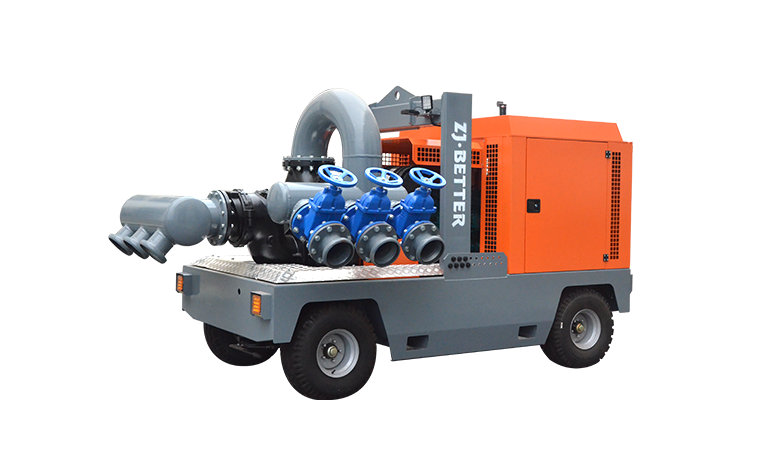
Diesel engine fire pumps operate independently of the electrical grid. Their engines use diesel fuel and are started by battery systems, making them inherently suitable for blackout scenarios when properly maintained.
Emergency generators are often used to supply power to electric fire pumps when utility power fails. These generators must be specifically designed, installed, and maintained for fire pump applications.
Diesel Fire Pumps: The Most Reliable Blackout Solution
Diesel engine-driven fire pumps are widely considered the most reliable solution for ensuring fire pump operation during blackouts. Because they do not depend on external electrical power, they can operate as long as fuel and starting power are available.
Diesel fire pumps use dedicated battery systems for engine starting. These batteries are continuously charged during normal operation and are isolated from building electrical systems. This design ensures that the pump can start even if the entire facility loses power.
Fuel supply is another critical advantage. Fire protection standards typically require diesel fire pumps to have sufficient on-site fuel for several hours of continuous operation. This makes diesel fire pumps especially suitable for remote locations, high-risk industrial facilities, and areas with unstable power grids.
However, diesel fire pumps are not maintenance-free. Regular testing, fuel quality monitoring, battery inspections, and engine servicing are essential to ensure reliable operation when a blackout occurs.
Electric Fire Pumps with Emergency Generators
In many buildings, electric fire pumps are paired with emergency generators to ensure continuous operation during power outages. This configuration can be highly effective when designed correctly.
The generator must be dedicated or properly sized to handle the full starting and running load of the fire pump motor. Fire pumps have high inrush currents during startup, and generators that are undersized may fail to start the pump.
The power transfer from utility supply to generator must be automatic and fast. Delays in power transfer can cause unacceptable interruptions in fire pump availability. Fire pump controllers are designed to detect power loss and signal generator start immediately.
It is important that the fire pump power supply is not shared with non-essential loads. Fire pumps must have priority over other systems to ensure they receive power during an emergency.
Dual Power Supply Design for Fire Pumps
A dual power supply arrangement is one of the most effective ways to ensure fire pump operation during blackouts. This approach provides two independent sources of power, significantly reducing the risk of total system failure.
For electric fire pumps, this often means two separate utility feeds from different substations or one utility feed combined with an emergency generator. The two power sources must be physically and electrically independent to avoid a single point of failure.
Fire pump controllers play a key role in dual power supply systems. They must be capable of monitoring both power sources and automatically selecting the available supply without manual intervention.
Dual power designs are commonly used in high-rise buildings, data centers, hospitals, and large industrial complexes where uninterrupted fire protection is essential.
Role of Fire Pump Controllers During Blackouts
Fire pump controllers are the brains of the fire pump system. During a blackout, the controller is responsible for detecting power loss, initiating pump startup, and managing power source transitions.
Modern fire pump controllers are designed to operate reliably under extreme conditions. They include voltage sensors, automatic transfer mechanisms, and alarms to notify operators of power failures or abnormal conditions.
For diesel fire pumps, the controller manages engine start sequences, battery systems, and engine monitoring. For electric fire pumps, it coordinates with generators or alternate power sources.
Regular inspection and testing of fire pump controllers are critical. A malfunctioning controller can prevent an otherwise functional pump from operating during a blackout.
Battery Systems and Starting Reliability
Whether the fire pump is diesel-driven or supported by emergency power systems, battery reliability is essential. Batteries are responsible for starting diesel engines and powering control circuits during power loss.
Fire pump battery systems must be dedicated, properly sized, and regularly maintained. Corroded terminals, low electrolyte levels, or expired batteries can lead to starting failures during emergencies.
Many fire protection standards require redundant battery systems for diesel fire pumps. This ensures that if one battery fails, the second battery can still start the engine.
Battery condition should be checked during weekly or monthly fire pump tests, and replacement schedules should be strictly followed.
Fuel Management for Diesel Fire Pumps
Fuel availability is a key factor in ensuring diesel fire pump operation during extended blackouts. Fuel tanks must be sized according to code requirements and expected operating duration.
Fuel quality must be monitored regularly. Diesel fuel can degrade over time, leading to contamination, water accumulation, or microbial growth. Poor fuel quality can cause engine failure when the pump is needed most.
Fuel tanks, piping, and valves should be inspected for leaks, corrosion, and mechanical damage. Fuel level indicators must be accurate and visible to maintenance personnel.
Proper fuel management ensures that diesel fire pumps remain a dependable solution during prolonged power outages.
Testing Fire Pump Operation Under Blackout Conditions
Testing fire pumps under simulated blackout conditions is essential for verifying system reliability. Routine testing should include scenarios where normal power is intentionally disconnected to confirm that backup systems function correctly.
For diesel fire pumps, testing should confirm automatic engine start, stable operation under load, and proper shutdown after testing. For electric fire pumps with generators, testing should verify generator start time, voltage stability, and pump performance.
Test results should be documented and reviewed regularly. Any abnormal behavior must be addressed immediately to prevent failures during real emergencies.
Regular testing builds confidence that the fire pump system will perform as expected during a blackout.
Maintenance Practices That Ensure Blackout Readiness
A well-designed system can still fail if maintenance is neglected. Preventive maintenance is essential for ensuring fire pump operation during blackouts.
Key maintenance practices include inspecting electrical connections, verifying controller settings, checking batteries, monitoring fuel systems, and performing flow tests. Environmental conditions such as humidity, temperature, and dust should also be controlled in fire pump rooms.
Maintenance personnel must be trained specifically in fire pump systems. Fire pumps differ significantly from standard industrial pumps, and incorrect maintenance procedures can compromise reliability.
Consistent maintenance ensures that all system components work together seamlessly when power loss occurs.
Designing for Compliance and Reliability
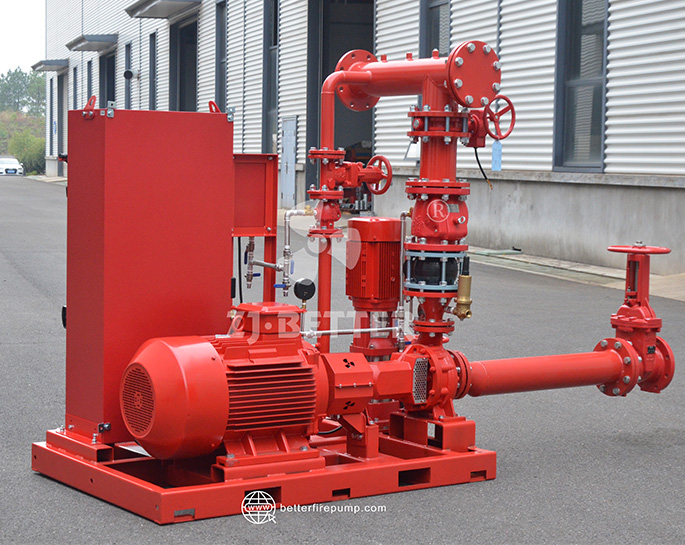
Ensuring fire pump operation during blackouts is not just about meeting minimum code requirements. It is about designing systems with redundancy, reliability, and real-world emergency conditions in mind.
Manufacturers, engineers, contractors, and building owners all play a role in achieving this goal. Proper pump selection, power system design, quality components, and disciplined maintenance practices form the foundation of a reliable fire pump system.
In fire protection, there is no second chance. When the power goes out and a fire breaks out, the fire pump must run. Designing and maintaining fire pump systems to operate during blackouts is one of the most important responsibilities in fire safety engineering.