
.png)
.png)
.png)
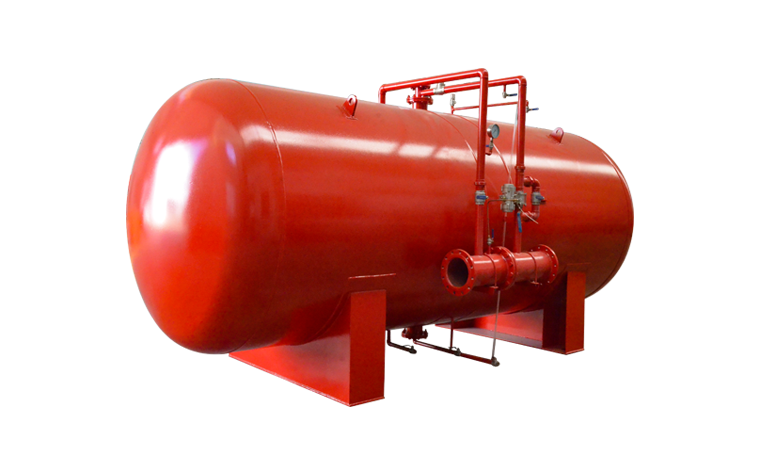
Fire pumps are critical components of fire protection systems, designed to operate reliably during emergencies. However, excessive noise and vibration from fire pumps are common challenges faced by engineers, contractors, and facility owners. These issues not only affect comfort and nearby equipment but can also indicate installation or design problems that may shorten equipment lifespan or compromise system performance.
Reducing fire pump noise and vibration should never be treated as two separate tasks. In reality, noise and vibration are closely related, often sharing the same root causes. By addressing them together, fire pump systems can achieve quieter operation, improved reliability, and longer service life while meeting fire safety standards.
This article examines the primary causes of fire pump noise and vibration, and offers practical, field-proven solutions to effectively mitigate both.
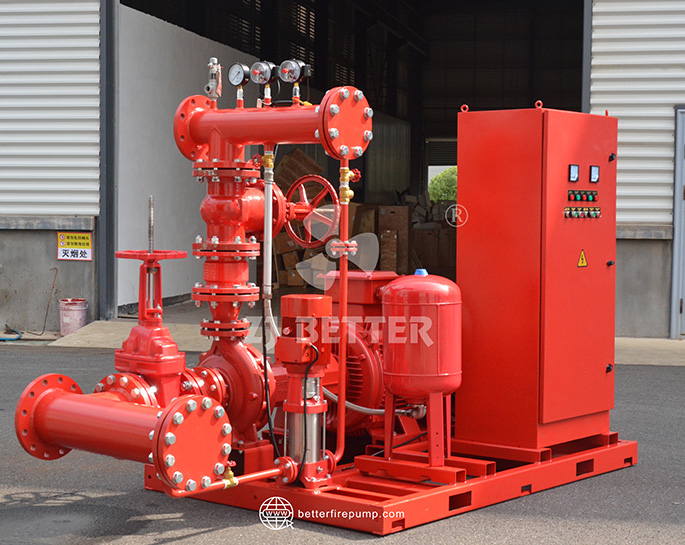
Understanding the Relationship Between Noise and Vibration
Noise in fire pump systems is usually the result of mechanical vibration transmitted through structures, piping, or air. When a pump vibrates, that energy travels through the foundation, baseplate, pipes, and surrounding building elements, eventually becoming audible noise.
Common signs include:
-
Low-frequency humming or rumbling
-
High-frequency whining or cavitation noise
-
Structural vibration felt in floors or walls
-
Excessive sound levels in pump rooms
Because vibration often precedes noise, controlling vibration at the source is the most effective way to reduce overall sound levels.
Common Causes of Fire Pump Noise and Vibration
Improper Pump and Motor Alignment
Misalignment between the pump and driver is one of the most frequent causes of vibration. Even small angular or parallel misalignment can generate significant vibration during operation, especially at high speeds.
Misalignment leads to:
-
Increased bearing and seal wear
-
Higher noise levels
-
Reduced efficiency
-
Premature equipment failure
Weak or Poorly Designed Foundations
Fire pumps require rigid and properly engineered foundations. A weak foundation allows vibration to amplify instead of being absorbed.
Common foundation issues include:
-
Insufficient concrete mass
-
Poor anchoring or grouting
-
Uneven mounting surfaces
-
Cracked or degraded concrete
Piping Stress and Poor Pipe Support
Improperly supported or misaligned piping can transfer stress directly to the pump casing. This not only causes vibration but can also distort pump components.
Typical piping problems:
-
Pipes forcing misalignment at pump nozzles
-
Lack of flexible connections
-
Inadequate pipe supports
-
Thermal expansion not accounted for
Cavitation and Hydraulic Issues
Cavitation occurs when vapor bubbles form and collapse inside the pump due to low inlet pressure or improper suction conditions. It produces a characteristic crackling noise and severe vibration.
Common causes of cavitation:
-
Insufficient net positive suction head
-
Undersized suction piping
-
Excessive elbows near the pump inlet
-
High suction lift conditions
Unbalanced Rotating Components
Impellers, shafts, or couplings that are not properly balanced will create centrifugal forces during rotation, leading to vibration and noise.
This issue is more common in:
-
High-speed electric fire pumps
-
Diesel engine fire pumps with large rotating masses
Diesel Engine Combustion and Exhaust Noise
For diesel fire pump systems, engine operation introduces additional noise sources beyond the pump itself. Combustion forces, exhaust discharge, and engine vibration significantly increase overall sound levels.
Integrated Solutions to Reduce Fire Pump Noise and Vibration
Start with Proper Fire Pump Selection
Noise and vibration control begins at the design stage. Selecting the correct pump type, speed, and configuration for the application is essential.
Key considerations:
-
Avoid oversizing the pump
-
Select lower speed pumps when possible
-
Choose pump types known for smooth operation
-
Ensure the pump operates near its best efficiency point
Proper selection reduces hydraulic turbulence and mechanical stress from the start.
Design a Rigid and Compliant Foundation
A well-designed foundation is the backbone of vibration control.
Best practices include:
-
Concrete foundation mass at least three times the pump-motor assembly weight
-
Flat, level mounting surface
-
Proper grouting between baseplate and foundation
-
Secure anchor bolts tightened to specification
A rigid foundation minimizes vibration amplification and prevents structural resonance.
Ensure Accurate Alignment During Installation
Precision alignment between the pump and driver is critical. Alignment should be checked:
-
Before initial startup
-
After grouting
-
After piping connection
-
Periodically during maintenance
Using laser alignment tools ensures accuracy and consistency. Proper alignment directly reduces vibration, noise, and mechanical wear.
Use Vibration Isolation Strategically
Vibration isolation should be applied carefully to avoid compromising system integrity or code compliance.
Effective isolation methods include:
-
Vibration isolation pads under baseplates
-
Inertia bases with isolators
-
Flexible connectors on suction and discharge piping
Isolation helps prevent vibration transmission to the building structure while maintaining system stability.
Optimize Piping Layout and Support
Piping should be independently supported so that its weight and thermal movement do not affect the pump.
Key piping guidelines:
-
Use straight suction pipe lengths before the pump inlet
-
Avoid elbows close to the suction flange
-
Install flexible connectors where permitted
-
Ensure piping is aligned without forcing connections
Proper piping reduces hydraulic turbulence and mechanical strain.
Prevent Cavitation Through Proper Hydraulic Design
Cavitation control is essential for noise and vibration reduction.
Design recommendations:
-
Ensure adequate net positive suction head
-
Use properly sized suction piping
-
Minimize restrictions and sharp bends
-
Maintain adequate water supply conditions
Quiet operation is a strong indicator of healthy hydraulic performance.
Balance Rotating Components Precisely
High-quality manufacturing and factory balancing play a critical role in reducing vibration.
Important steps include:
-
Dynamic balancing of impellers
-
Precision machining of shafts and couplings
-
Factory testing before shipment
Balanced components ensure smooth operation across the pump’s operating range.
Control Diesel Fire Pump Noise at the Source
For diesel fire pump systems, noise reduction requires additional measures.
Effective solutions include:
-
High-performance exhaust silencers
-
Flexible exhaust connections
-
Engine vibration isolators
-
Acoustic treatment within the pump room
Addressing engine noise separately from pump vibration provides the best results.
Improve Pump Room Acoustic Design
Even when vibration is minimized, airborne noise can still be an issue.
Acoustic improvements may include:
-
Sound-absorbing wall and ceiling panels
-
Sealed doors with acoustic ratings
-
Proper ventilation design to prevent noise leakage
Pump room acoustics should be considered during building design, especially in hospitals, residential complexes, and data centers.
Maintenance as a Long-Term Noise and Vibration Control Strategy
Noise and vibration levels often increase over time due to wear and degradation. Regular maintenance is essential.
Maintenance best practices:
-
Periodic alignment checks
-
Bearing inspection and lubrication
-
Coupling condition monitoring
-
Inspection for loose fasteners and supports
Early detection of vibration issues prevents costly failures and unplanned downtime.
Compliance with Fire Safety Standards
While reducing noise and vibration is important, fire pump systems must always remain compliant with applicable standards.
Any noise or vibration control solution must:
-
Not restrict pump performance
-
Not interfere with automatic operation
-
Maintain accessibility for inspection and testing
-
Follow applicable fire protection codes
Balancing compliance and comfort is achievable with proper engineering.
.jpg)
Final Thoughts
Reducing fire pump noise and vibration together requires a comprehensive approach that starts with proper design and continues through installation, operation, and maintenance. By addressing root causes such as alignment, foundation rigidity, hydraulic conditions, and piping stress, both noise and vibration can be effectively controlled.
For fire pump manufacturers, engineers, and contractors, focusing on integrated solutions not only improves system reliability but also enhances the overall quality and professionalism of fire protection installations. A quieter, smoother-running fire pump is often a sign of a well-designed and well-installed system—exactly what critical fire safety infrastructure demands.