
.png)
.png)
.png)
How to Prevent Diesel Fire Pump Fuel Line Air Locks?
Jan 12, 2026
Share:
Diesel fire pumps are a critical component of fire protection systems, particularly in facilities where a reliable water supply is essential during power failures. Unlike electric fire pumps, diesel engine fire pumps depend entirely on a stable and uninterrupted fuel supply. One of the most common and dangerous problems affecting diesel fire pump reliability is a fuel line airlock.
A fuel line air lock can prevent the diesel engine from starting or cause it to stall during operation. In emergency fire conditions, this failure can result in catastrophic consequences, including loss of fire protection, property damage, and risk to life. Understanding how air locks form and how to prevent them is essential for fire protection engineers, contractors, facility managers, and system owners.
This article explains what causes diesel fire pump fuel line air locks and provides practical, field-proven strategies to prevent them through proper design, installation, operation, and maintenance.
.jpg)
Understanding Fuel Line Air Locks in Diesel Fire Pumps
A fuel line air lock occurs when air enters the diesel fuel system and interrupts the continuous flow of fuel from the tank to the engine. Diesel engines are designed to pump liquid fuel, not air. When air pockets form in the fuel line, fuel pressure drops, injection becomes unstable, and combustion fails.
In diesel fire pumps, air locks commonly occur in low-pressure fuel supply lines, return lines, filters, or injection pump inlets. Because fire pumps are typically in standby mode for long periods, even small air leaks or design flaws can gradually introduce air into the system over time.
Unlike regular diesel engines used daily, fire pump engines may sit idle for weeks. This makes them especially vulnerable to air infiltration, fuel drain-back, and seal degradation.
Common Causes of Diesel Fire Pump Fuel Line Air Locks
Understanding the root causes of air locks is the first step toward effective prevention.
Improper Fuel Tank Elevation
One of the most frequent causes is incorrect fuel tank positioning. When the fuel tank is installed below the diesel engine fuel pump inlet, gravity cannot assist fuel flow. This increases the likelihood of fuel draining back to the tank when the engine is stopped, allowing air to enter the fuel line.
Poor Fuel Line Routing
Fuel lines that run upward, loop excessively, or include unnecessary high points can trap air pockets. Long horizontal runs or sharp bends can also increase resistance and promote air accumulation.
Loose or Leaking Connections
Even a very small leak at a fitting, hose clamp, or threaded joint can allow air to be drawn into the system without visible fuel leakage. This is especially common on the suction side of the fuel system.
Inferior Fuel Hoses and Seals
Low-quality rubber hoses, aging seals, or non-rated materials can harden, crack, or lose elasticity over time. As these components deteriorate, they allow air ingress during standby periods.
Inadequate Venting or Return Line Design
Improper fuel return line installation can create pressure imbalances that introduce air into the system. Blocked or restricted return lines can also force air back into the supply line.
Lack of Regular Testing and Maintenance
Diesel fire pumps that are not exercised regularly are more likely to develop air locks. Long idle periods allow fuel to drain back, seals to dry out, and air to accumulate unnoticed.
Why Fuel Line Air Locks Are Dangerous in Fire Pump Systems
In standard diesel applications, air locks may cause inconvenience or downtime. In fire pump systems, the consequences are far more severe.
When a diesel fire pump fails to start due to air lock:
-
The fire protection system may lose its primary water supply
-
Automatic sprinkler or hydrant systems may become ineffective
-
Emergency response time is lost attempting manual intervention
-
System reliability and compliance are compromised
Fire pump systems are designed for one purpose: to operate immediately and reliably during emergencies. Any condition that delays starting or causes engine shutdown represents an unacceptable risk.
Preventing Diesel Fire Pump Fuel Line Air Locks Through Design
Proper system design is the most effective way to eliminate air lock risks before they occur.
Correct Fuel Tank Positioning
Fuel tanks should be installed in accordance with applicable fire codes and manufacturer recommendations. Ideally, the fuel tank outlet should be at or above the level of the diesel engine fuel pump inlet. This allows gravity-fed fuel supply and reduces the possibility of fuel drain-back.
If elevation constraints exist, additional design measures must be taken to ensure positive fuel supply pressure.
Minimize Fuel Line Length and Complexity
Fuel lines should be as short and direct as possible. Avoid unnecessary loops, vertical rises, or sharp bends. A clean, downward-sloping fuel line from the tank to the engine helps prevent air entrapment.
High points in the fuel line are especially problematic and should be eliminated whenever possible.
Proper Pipe Sizing
Undersized fuel lines increase suction pressure and make the system more susceptible to air infiltration. Correct pipe diameter ensures smooth fuel flow and stable pressure.
Fuel line sizing should match engine manufacturer specifications and applicable fire pump standards.
Installation Best Practices to Prevent Air Locks
Even a well-designed system can fail if installation quality is poor.
Use High-Quality Fuel System Components
All hoses, fittings, seals, and gaskets should be diesel-rated, fire pump approved, and suitable for long-term standby conditions. Components should be resistant to fuel degradation, temperature variations, and vibration.
Avoid mixing components from unknown or incompatible sources.
Ensure Airtight Connections
All threaded joints must be properly sealed using compatible sealing materials. Hose clamps should be tightened to manufacturer specifications, and compression fittings should be installed correctly to prevent micro air leaks.
After installation, pressure and vacuum testing of the fuel line can help detect air ingress points.
Proper Fuel Filter Installation
Fuel filters should be installed according to flow direction markings and mounted securely. Improperly seated filter seals are a common source of air entry.
Whenever filters are replaced, the system must be properly primed to remove trapped air.
Operational Measures to Reduce Air Lock Risk
Design and installation alone are not enough. Proper operation plays a key role in prevention.
Regular Diesel Fire Pump Testing
Weekly or monthly test runs help maintain fuel system integrity. Regular operation keeps seals lubricated, identifies starting issues early, and prevents fuel drain-back.
During testing, operators should observe starting time, fuel pressure stability, and engine smoothness.
Maintain Adequate Fuel Level
Low fuel levels increase the chance of air entering the fuel line, especially during testing or prolonged operation. Fuel tanks should always be maintained above the minimum required level.
Consistent fuel management is a basic but often overlooked prevention measure.
Proper Shutdown Procedures
Abrupt shutdowns can sometimes contribute to pressure fluctuations in the fuel system. Following manufacturer-recommended shutdown procedures helps maintain system stability.
Maintenance Practices That Prevent Fuel Line Air Locks
Preventive maintenance is essential for long-term reliability.
Routine Inspection of Fuel Lines
Fuel lines, hoses, and fittings should be inspected regularly for signs of wear, corrosion, hardening, or looseness. Any component showing deterioration should be replaced immediately.
Visual inspection alone is not enough. Physical checks for tightness and flexibility are equally important.
Seal and Hose Replacement Schedule
Even high-quality fuel system components have a finite lifespan. Establish a replacement schedule for hoses and seals based on manufacturer guidance and operating conditions.
Proactive replacement is far more effective than reactive repairs during emergencies.
Fuel System Priming and Bleeding
After any maintenance work involving the fuel system, proper priming and air bleeding must be performed. Trapped air should never be left in the system, even if the engine appears to start normally.
Incomplete bleeding can lead to delayed air lock formation during standby periods.
Code and Compliance Considerations
Fire pump systems must comply with applicable standards such as NFPA 20 and local fire codes. These standards provide guidance on fuel tank sizing, piping arrangements, and system reliability.
Compliance is not only a regulatory requirement but also a proven framework for reducing failure risks such as air locks. Manufacturers, installers, and system owners should work together to ensure all requirements are met.
Role of the Fire Pump Manufacturer
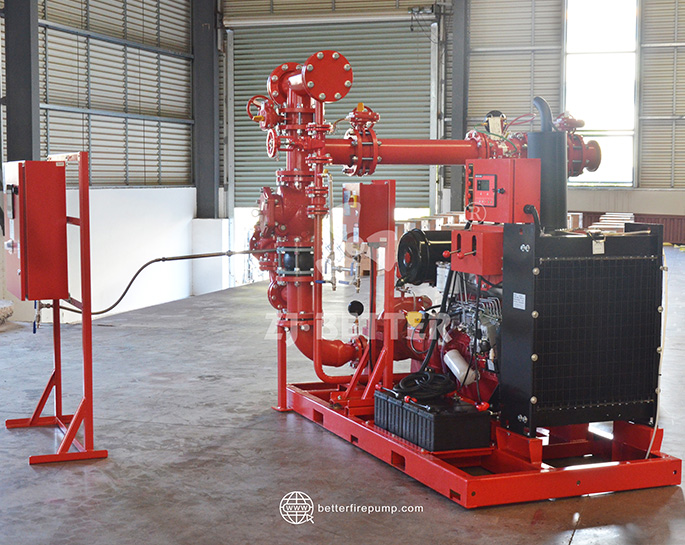
Experienced fire pump manufacturers design diesel fire pump systems with air lock prevention in mind. This includes optimized fuel system layouts, high-quality components, and detailed installation and maintenance instructions.
Choosing a reputable manufacturer with proven fire pump expertise significantly reduces the risk of fuel system failures over the life of the equipment.
Conclusion
Preventing diesel fire pump fuel line air locks is not a single action but a combination of proper design, correct installation, disciplined operation, and consistent maintenance. Air locks may seem like a small technical issue, but in fire protection systems, their impact can be severe.
By addressing fuel tank positioning, fuel line routing, component quality, regular testing, and preventive maintenance, diesel fire pump systems can achieve the reliability they are designed for.
A diesel fire pump must start instantly and run continuously when called upon. Eliminating fuel line air locks is a critical step in ensuring that performance and protecting lives and property when it matters most.