
.png)
.png)
.png)
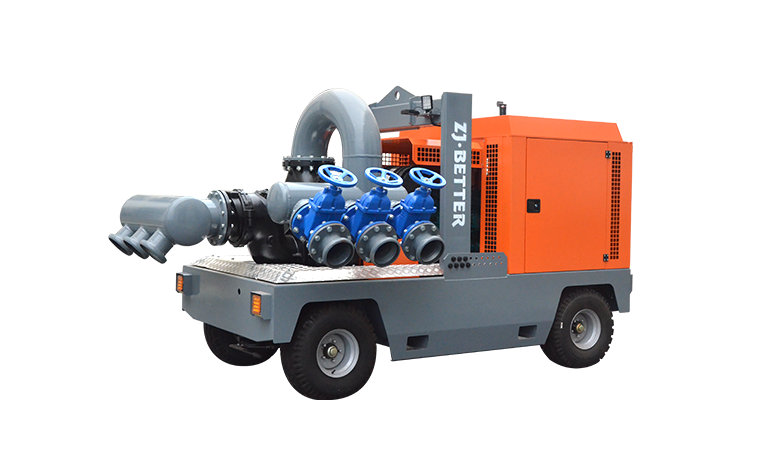
Diesel fire pumps are the backbone of many fire protection systems, especially in facilities where electrical reliability cannot be guaranteed. In accordance with National Fire Protection Association standards and specifically NFPA 20 requirements, diesel-driven fire pumps must operate reliably under emergency conditions. However, one of the most alarming events during operation or testing is an overspeed trip.
An overspeed shutdown is not a random malfunction. It is a deliberate protective action designed to prevent catastrophic engine failure. When a diesel fire pump overspeeds, the controller automatically shuts down the engine to protect it from mechanical damage. Understanding why overspeed trips happen is critical for engineers, contractors, facility managers, and maintenance teams.
.jpg)
What Is Diesel Fire Pump Overspeed
Overspeed occurs when the diesel engine exceeds its maximum safe rotational speed (RPM). Every diesel engine used in fire pump applications has a rated operating speed, typically 1500 RPM or 1800 RPM depending on the system design. Manufacturers also define a maximum allowable speed, often around 10–20% above rated speed.
When engine RPM exceeds this limit, the overspeed device or controller triggers an emergency shutdown. This protection is essential because excessive speed can lead to:
• Connecting rod failure
• Valve train damage
• Turbocharger destruction
• Bearing seizure
• Complete engine breakdown
In fire protection, equipment failure during an emergency is unacceptable. Therefore, overspeed protection is mandatory in compliant diesel fire pump packages.
How Overspeed Protection Works
Modern diesel fire pumps use either mechanical or electronic overspeed protection systems.
Mechanical overspeed devices typically use centrifugal force mechanisms inside the engine governor. If RPM rises beyond the set threshold, the device cuts off fuel supply.
Electronic overspeed systems use magnetic pickups or speed sensors to continuously monitor engine RPM. If the controller detects excessive speed, it shuts down the engine and records an overspeed alarm.
Controllers compliant with UL and FM standards integrate overspeed detection as a critical safety function. In many systems, manual reset is required before restarting after an overspeed event.
Common Causes of Diesel Fire Pump Overspeed Trips
Understanding the root cause is essential. Overspeed rarely happens without a reason. Below are the most common causes observed in the field.
Governor Failure or Misadjustment
The engine governor controls fuel delivery to maintain constant speed under varying loads. If the governor fails, sticks, or is improperly adjusted, it may allow uncontrolled fuel flow.
A malfunctioning governor can cause the engine to accelerate beyond rated speed, especially during rapid load changes such as churn conditions during testing.
Fuel Control Linkage Problems
Mechanical linkage between the throttle actuator and fuel injection system may become loose, corroded, or misaligned. If the linkage binds in a high-fuel position, the engine can surge into overspeed.
Poor maintenance, vibration, or improper assembly are common contributors.
Electronic Sensor Malfunction
In electronically controlled systems, faulty RPM sensors may send incorrect readings to the controller. In some cases, a false overspeed trip occurs due to signal noise or sensor wiring issues.
Alternatively, delayed detection can allow momentary excessive speed before shutdown.
Loss of Load During Operation
One overlooked cause of overspeed is sudden load loss.
For example:
• Discharge valve suddenly closes
• System pressure rapidly increases
• Pump decouples from load
When a diesel engine is driving a fire pump under load, torque demand stabilizes speed. If load is suddenly removed, the engine may accelerate rapidly before the governor compensates.
This scenario can occur during improperly conducted weekly testing.
Air in Fuel System
Air pockets in the diesel fuel system can cause unstable combustion. Erratic fuel delivery may result in RPM fluctuations and brief overspeed spikes.
Although less common, fuel contamination or poor bleeding procedures can contribute to unstable engine behavior.
Improper Controller Calibration
Overspeed setpoints must match engine specifications. If the controller overspeed setting is incorrectly programmed, nuisance trips can occur even when the engine operates within safe limits.
This is particularly important when engines are replaced or retrofitted but controller settings are not updated accordingly.
Turbocharger or Mechanical Failure
In rare cases, mechanical failure inside the engine can cause uncontrolled acceleration. A failing turbocharger or internal lubrication issue may reduce load resistance, allowing the engine to rev higher than expected.
These cases usually accompany abnormal vibration, smoke, or noise prior to shutdown.
What Happens After an Overspeed Trip
After an overspeed event, the controller records the alarm and locks out automatic restart. According to NFPA 20, certain shutdown conditions require manual intervention to ensure the root cause is investigated.
Operators should never simply reset and restart without diagnosis. Repeated overspeed events can permanently damage the engine and compromise fire protection readiness.
Proper Troubleshooting Procedure
When a diesel fire pump overspeed trip occurs, follow a systematic approach.
Step 1: Review Controller Logs
Check the time, RPM reading, and operating condition at the moment of trip. Determine whether it occurred during start-up, churn, or full load.
Step 2: Inspect Governor Operation
Verify governor linkage movement and fuel rack response. Ensure smooth operation without binding. Check calibration settings against manufacturer specifications.
Step 3: Verify Speed Sensor Integrity
Inspect wiring, connectors, and sensor gap. Confirm signal stability and proper grounding.
Step 4: Evaluate Load Conditions
Confirm discharge valves, pressure relief valves, and test header operation. Ensure that no sudden load release occurred.
Step 5: Check Fuel System
Inspect for air leaks, clogged filters, or fuel contamination. Bleed the system if necessary.
Step 6: Mechanical Inspection
Look for abnormal vibration, oil pressure changes, or unusual engine noise.
Preventive Measures to Avoid Overspeed Trips
Routine maintenance is the most effective way to prevent overspeed problems.
Weekly Testing Discipline
During weekly no-flow testing, ensure discharge valves remain correctly positioned. Avoid abrupt changes that may cause load instability.
Quarterly Governor Inspection
Inspect and test governor response under controlled conditions. Replace worn components proactively.
Sensor Calibration
Test and verify RPM sensor accuracy annually or according to manufacturer recommendations.
Controller Setting Verification
After any engine service or controller replacement, confirm overspeed setpoints match engine rated speed.
Fuel System Maintenance
Keep fuel clean, dry, and free from air intrusion. Replace filters regularly.
The Role of Proper Diesel Fire Pump Design
A well-engineered diesel fire pump package minimizes overspeed risk.
As a manufacturer, we emphasize:
• Accurate engine-to-pump matching
• Proper inertia calculations
• Stable coupling alignment
• Verified governor tuning before shipment
• Factory load testing under simulated field conditions
High-quality diesel fire pump systems that comply with NFPA 20 and are UL listed undergo rigorous performance testing. Overspeed protection devices are verified as part of acceptance procedures.
Overspeed vs Other Shutdown Conditions
It is important not to confuse overspeed trips with other shutdown alarms such as:
• Low oil pressure
• High coolant temperature
• Low coolant level
• Engine overcrank
Overspeed is uniquely tied to RPM, not thermal or lubrication parameters. Misdiagnosis can delay corrective action.
Why Overspeed Protection Is Critical
While overspeed events can be frustrating during testing, the protection system is saving the engine from catastrophic damage. Without it, the engine could destroy itself within seconds.
In fire protection systems, reliability is everything. A diesel fire pump must start and run during the worst possible scenario. Overspeed protection ensures the engine survives long-term operation and remains compliant with safety standards.
.jpg)
Final Thoughts
Diesel fire pump overspeed trips occur due to identifiable mechanical, electrical, or operational reasons. They are not random events. Governor issues, load instability, sensor faults, and improper maintenance are the most common causes.
The solution is not simply resetting the controller. The solution is systematic troubleshooting, proper preventive maintenance, and ensuring that your diesel fire pump system is correctly engineered and compliant with NFPA 20.
For facilities relying on diesel-driven fire protection, understanding overspeed behavior is essential. A proactive maintenance program and high-quality fire pump package design will significantly reduce overspeed incidents and protect both your equipment and your building.