
.png)
.png)
.png)
-
 Mar 09, 2023What is the control and inspection method of the fire pumpThe control and inspection of the fire pump is typically done through a combination of visual inspections, testing, and maintenance. Visual inspections should be done to check for visible signs of damage to the pump and its components, and to make sure that the pump is connected properly and securely. Testing should be done to ensure that the pump is functioning correctly, and that the pressure is adequate for the system requirements. Maintenance should be done to ensure that the pump is running properly and that the system is free of any obstructions or blockages.
1. Periodic Inspection: This type of inspection involves checking the fire pump regularly to ensure that it is in good working condition. This includes checking the electrical connections, fuel lines, and other components to make sure they are in proper working order.
2. Pressure Testing: Pressure testing is a necessary step for any fire pump to ensure that it will be able to deliver the required amount of water during an emergency situation. During this test, the pump is connected to a water supply and pressure gauge, and the system is monitored while the pump is running to ensure that it is delivering the correct amount of pressure.
3. Performance Testing: Performance testing is a more comprehensive test that involves running the fire pump at various speeds and pressures to make sure it is able to deliver the required amount of water. This test is usually done in a laboratory setting, and it is important to make sure the results are accurate.
4. Visual Inspection: Visual inspections are important to ensure that the fire pump is in good working order. This includes checking that all parts are in good condition, that all connections are secure, and that there are no signs of wear or damage.
5. Control:
The fire pump should be operated only when necessary, and should be turned off when not in use. The pump should also be monitored to ensure that it is operating at the correct pressure and flow. Additionally, the system should be checked to make sure that the valves and other components are working properly.View details -
 Mar 09, 2023What to do if the fire pump consumes too much electricity and runs idlingIf the fire pump is consuming too much electricity and running idling, the first step is to identify what is causing the problem. It could be due to a problem with the pump, such as a stuck impeller or worn bearings, or it could be a result of poor maintenance. Once the cause has been identified, it can be addressed accordingly. If the issue is a mechanical one, it may need to be serviced or repaired. If the issue is due to poor maintenance, steps must be taken to ensure the pump is serviced and maintained regularly. Additionally, it may be beneficial to install a variable frequency drive (VFD) to help regulate the speed of the pump and reduce electricity consumption.
If the fire pump is consuming too much electricity and running idling, the first step is to identify the cause of the issue. This can include checking for clogged strainers, proper pump control settings, worn impellers, and other mechanical issues. Once the cause of the issue has been identified, it is important to address it as soon as possible. This may involve cleaning, repairing, or replacing parts, as well as adjusting the pump settings. If the issue is due to an electrical issue, it is important to contact a qualified electrician to help identify and fix the problem.
If the fire pump consumes too much electricity and runs idling, the first step should be to check the pump's control panel and settings to ensure that it is running at the correct speed and pressure. If the settings are correct, then the next step would be to inspect the pump itself for any signs of wear and tear, as well as any blockages or obstructions in the system. If the pump is running inefficiently, then it may need to be serviced or replaced. Additionally, it may be necessary to adjust the electrical supply to the pump, to ensure that it is only running when needed.
View details -
 Mar 07, 2023Diesel Engine Fire Pump Maintenance Details1. Check all hoses, clamps, and connections for signs of leakage.
2. Check the oil level and add oil if necessary.
3. Check the coolant level and add coolant if necessary.
4. Check the air filter for signs of damage and replace if necessary.
5. Check the fuel filter and replace if necessary.
6. Check the spark plugs and replace if necessary.
7. Check the fuel lines for blockages, cracks, or signs of leakage.
8. Check the wiring and connections for signs of damage or corrosion.
9. Check the pump for signs of wear and tear.
10. Check the battery and replace if necessary.
11. Test the pump to ensure proper function.
12. Perform regular maintenance and tune-ups as necessary.View details -
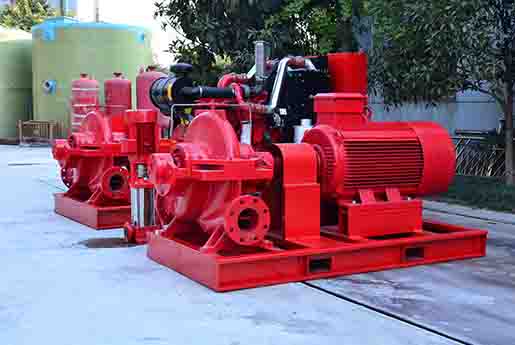 Mar 07, 2023How to check the sealing performance of diesel engine fire pump1. Perform a static pressure test: Connect a pressure gauge to the discharge side of the fire pump and pressurize the system to ensure that the pressure reading is within the designed operating range.
2. Perform a flow test: Connect a flow meter to the discharge side of the fire pump and measure the amount of flow produced by the pump. The amount of flow should be within the rated flow range of the pump.
3. Perform a vibration test: Check for any unusual vibration or noise coming from the pump during operation. If any unusual noise or vibration is detected, it could indicate a problem with the pump or the seals.
4. Inspect the seals: Check the seals for any signs of wear or damage. If any signs of wear or damage are present, the seals may need to be replaced.
5. Check for leaks: Look for any signs of leakage from the pump or its connections. Leaks can be caused by worn or damaged seals, so it is important to inspect them regularly.View details -
 Mar 03, 2023How to reasonably arrange and debug the fire pump1.Check the installation environment of the fire pump and perform a trial operation to confirm that the fire pump meets the installation requirements.
2. Check the fire pump, fire pump accessories, power supply and other related equipment, and ensure that all parts are qualified and meet the requirements of the fire pump.
3. Check the piping system of the fire pump and the interface of the fire pump and its accessories. Make sure that the pipe diameter is correct and the connection is reliable.
4. Adjust the parameters of the fire pump according to the environment and conditions.
5. Connect the fire pump to the power supply, check the wiring and ensure that it is connected correctly.
6. Start the fire pump and perform debugging and tests according to the requirements.
7. After the debugging is successful, the fire pump should be tested to ensure that the performance is qualified.
8. Finally, the fire pump should be inspected and accepted.View details -
 Mar 03, 2023The Secret to Fire Pump Engine LongevityThe secret to fire pump engine longevity is regular maintenance. Regular maintenance includes checking the engine oil levels, changing the oil and air filters, and replacing the spark plugs. Additionally, make sure to complete regular preventative maintenance checks, such as lubricating moving parts, checking the fuel system, and inspecting the exhaust system. Finally, if your engine runs on diesel, make sure to use a high-quality fuel that is designed for diesel engines. Proper maintenance and fuel quality will help ensure your fire pump engine will last for years.
The secret to fire pump engine longevity is regular maintenance. Fire pump engines should be serviced and maintained according to the manufacturer’s specifications and instructions. This includes checking and servicing fluids, inspecting belts and hoses, and replacing worn parts. Additionally, fire pump engines should be regularly tested to ensure that it is still functioning properly. Following these steps will help ensure the longevity of your fire pump engine.
The secret to fire pump engine longevity is regular maintenance, scheduled servicing and the use of quality parts. Regular maintenance includes changing the oil and filter regularly, checking for leaks and other signs of damage, and keeping an eye on the fuel and electrical systems. Scheduled servicing should be done at least once a year, and should include a full inspection and tune-up. Finally, it is important to use quality parts when replacing any components of the fire pump engine, as this will ensure that the engine will last for many years to come.
The secret to fire pump engine longevity is proper maintenance and regular inspection. Regularly checking the engine’s oil level and changing the oil at the manufacturer’s recommended intervals are essential for keeping the engine in top condition. Additionally, regular maintenance and repairs should be carried out in accordance with the manufacturer’s instructions. This includes checking the belts and hoses for signs of wear, replacing worn parts, and inspecting the fuel system for leaks or blockages. Finally, it is important to ensure the engine is properly lubricated at all times and to keep it free of dust and debris.
The secret to fire pump engine longevity is regular maintenance and proactive repairs. Fire pump engines must be regularly inspected and maintained according to the manufacturer's specifications. This includes changing the engine oil, spark plugs, and air filters, as well as checking the belts and hoses. Additionally, any potential problems should be addressed immediately to avoid further damage. A good preventative maintenance plan can help ensure that the fire pump engine will last for years to come.View details