
.png)
.png)
.png)
Replacing a fire pump is one of the most sensitive upgrades in any fire protection system. Unlike many mechanical components, a fire pump cannot simply be taken offline without introducing significant risk. For hospitals, data centers, industrial plants, high-rise buildings, and logistics facilities, continuous fire protection is not optional—it is a legal, operational, and safety requirement.
However, fire pumps do age. Capacity requirements change, standards evolve, and reliability concerns eventually make replacement unavoidable. The challenge many facility owners and engineers face is how to replace a fire pump without shutting down the entire fire protection system.
This article provides a practical, step-by-step approach to planning fire pump replacement while maintaining uninterrupted fire protection. It is written from the perspective of a fire pump manufacturer and reflects real-world project constraints, compliance considerations, and engineering best practices.
.jpg)
Why Fire Pump Replacement Is Risky Without Proper Planning
A fire pump is the heart of a fire protection system. During normal conditions, it may sit idle for long periods, but during a fire event, its performance determines whether the system succeeds or fails.
Improper replacement planning can result in:
-
Temporary loss of fire protection coverage
-
Violations of fire codes and insurance requirements
-
Project delays due to AHJ objections
-
Increased liability for facility owners and contractors
-
Unsafe conditions for occupants and operations
Because of these risks, fire pump replacement should never be treated as a simple equipment swap. It must be approached as a system-level transition.
Step 1: Evaluate the Existing Fire Pump System in Detail
Before any replacement strategy is selected, a thorough assessment of the existing system is essential.
Key aspects to evaluate include:
-
Pump type (electric, diesel, vertical turbine, split case)
-
Rated flow and pressure
-
Power supply or fuel system configuration
-
Controller type and condition
-
Suction source and available water supply
-
System demand changes since original installation
-
Space constraints and piping layout
In many facilities, the original fire pump was sized based on outdated hazard classifications or earlier building use. Replacement offers an opportunity to correct undersizing or inefficiencies, but this must be identified early.
This evaluation phase should also include a review of past test records, failure incidents, and maintenance challenges. These details help justify the replacement approach to stakeholders and authorities.
Step 2: Confirm Regulatory and Authority Requirements
Fire pump replacement planning must align with local fire codes, insurance requirements, and the expectations of the Authority Having Jurisdiction.
Key considerations include:
-
Required level of fire protection continuity
-
Acceptance of temporary fire pumps
-
Notification and approval procedures
-
Testing and commissioning requirements
-
Documentation expectations
Some jurisdictions require continuous protection at all times, while others allow short, controlled outages under strict conditions. Understanding these requirements early prevents redesigns and costly delays.
Coordination with the AHJ during the planning phase is strongly recommended, especially for mission-critical facilities.
Step 3: Choose the Right Replacement Strategy
There is no single solution for replacing a fire pump without shutdown. The optimal strategy depends on system configuration, available space, and risk tolerance. Below are the most commonly used approaches.
Strategy 1: Temporary Fire Pump Installation
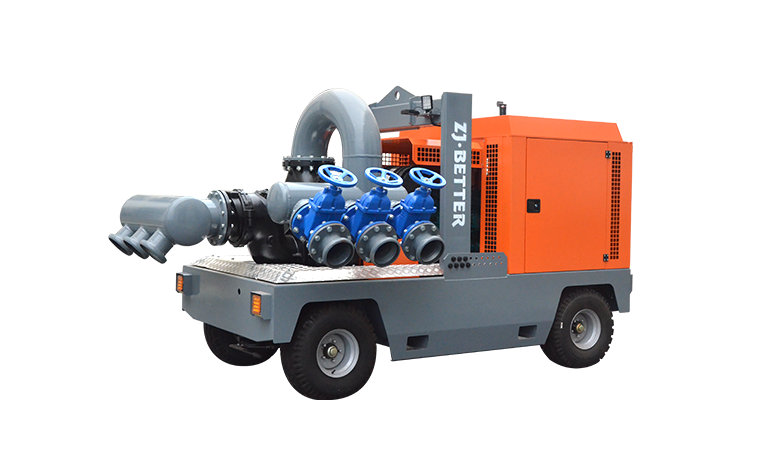
One of the most widely accepted methods is installing a temporary fire pump to maintain protection while the permanent pump is replaced.
A temporary fire pump system typically includes:
-
A skid-mounted diesel or electric fire pump
-
Temporary suction and discharge piping
-
A dedicated controller or manual start system
-
Connection to existing sprinkler or standpipe headers
This approach allows the existing pump to be fully isolated and removed while fire protection remains active.
Temporary pumps are especially effective for:
-
Industrial facilities
-
Warehouses and logistics centers
-
Retrofit projects with limited redundancy
-
Facilities with high insurance compliance requirements
The key to success is ensuring the temporary pump meets minimum flow and pressure demands for the duration of the replacement.
Strategy 2: Phased Installation with Parallel Pumping
In facilities with sufficient space and piping flexibility, a new fire pump can be installed in parallel with the existing one.
This phased approach involves:
-
Installing the new pump on a separate foundation
-
Connecting suction and discharge piping with isolation valves
-
Commissioning and testing the new pump while the old pump remains active
-
Transferring system duty to the new pump
-
Removing the old pump after successful acceptance
Parallel installation minimizes risk and allows full functional testing before system switchover. It is commonly used in large pump rooms or facilities designed with future expansion in mind.
Strategy 3: Using Redundant Fire Pumps or Backup Units
Some systems already include redundant fire pumps, such as:
-
Dual electric pumps
-
Electric plus diesel pump combinations
-
Primary pump with standby unit
In these cases, replacement can be done one pump at a time while the remaining pump maintains system protection.
This strategy requires:
-
Verification that the remaining pump can handle full system demand
-
Careful sequencing to avoid overlapping outages
-
Strict maintenance and monitoring during the replacement period
Redundancy-based replacement is efficient but only possible if the system was originally designed with backup capacity.
Step 4: Plan Isolation and Valve Management Carefully
Valve management is one of the most overlooked aspects of fire pump replacement.
Before work begins, all isolation points must be:
-
Clearly identified and labeled
-
Confirmed to be operational
-
Tested for full closure and sealing
Improperly functioning valves can compromise isolation, create leakage, or unintentionally disable protection zones.
A detailed valve operation plan should be created, including:
-
Which valves will be closed and when
-
Who is authorized to operate them
-
How valve positions will be monitored
-
Emergency procedures if a valve fails
This planning step is critical to maintaining confidence in system integrity during the replacement.
Step 5: Coordinate Electrical, Fuel, and Control Systems
Fire pump replacement affects more than mechanical equipment. Electrical supply, fuel systems, and controls must be addressed in parallel.
Key considerations include:
-
Power shutdown sequencing for electric pumps
-
Temporary power solutions if needed
-
Fuel supply continuity for diesel pumps
-
Controller replacement or integration
-
Alarm and monitoring system compatibility
Controllers often require upgrades during pump replacement to meet current standards. This should be planned in advance to avoid extending the replacement timeline.
Testing of all control and alarm functions must be conducted before final switchover.
Step 6: Develop a Detailed Testing and Commissioning Plan
Testing is not a single event but a staged process during fire pump replacement.
A comprehensive plan should include:
-
Pre-installation inspection
-
Temporary system functional testing
-
New pump acceptance testing
-
Flow testing at rated conditions
-
Alarm and signal verification
-
Documentation and record updates
All testing should be witnessed as required by local regulations and recorded for future reference.
The system should not be considered fully transitioned until the new pump has successfully passed all required tests under real operating conditions.
Step 7: Communicate with Stakeholders Throughout the Process
Clear communication reduces risk and builds confidence during fire pump replacement.
Stakeholders may include:
-
Facility management
-
Safety officers
-
Insurance representatives
-
Contractors and engineers
-
Authorities and inspectors
A communication plan should outline:
-
Replacement timeline
-
Protection measures during each phase
-
Emergency contacts
-
Escalation procedures
Transparent communication ensures that everyone understands the temporary conditions and their responsibilities.
Common Mistakes to Avoid
Even experienced teams can make costly errors during fire pump replacement. Common mistakes include:
-
Underestimating the importance of temporary protection
-
Delaying AHJ involvement until late in the project
-
Ignoring controller and power system upgrades
-
Poor valve identification and documentation
-
Rushing testing to meet deadlines
Avoiding these mistakes requires disciplined planning and a system-level mindset.
Why Manufacturer Involvement Matters
Working directly with an experienced fire pump manufacturer during replacement planning offers significant advantages:
-
Accurate pump selection based on current standards
-
Integration support for existing systems
-
Guidance on temporary and phased solutions
-
Documentation aligned with compliance requirements
-
Reduced risk of rework or rejection during inspection
Manufacturers understand how pumps behave in real systems, not just on paper, making them valuable partners in complex replacements.
.jpg)
Conclusion
Replacing a fire pump without shutting down the fire protection system is challenging, but entirely achievable with proper planning. By evaluating the existing system, selecting the right replacement strategy, coordinating mechanical and control components, and maintaining clear communication, facilities can upgrade critical fire protection infrastructure without compromising safety or compliance.
Fire pump replacement should be viewed not as a disruption, but as an opportunity to improve reliability, meet current standards, and extend the life of the entire fire protection system. With the right approach, uninterrupted protection is not only possible—it is the expected outcome.