
.png)
.png)
.png)
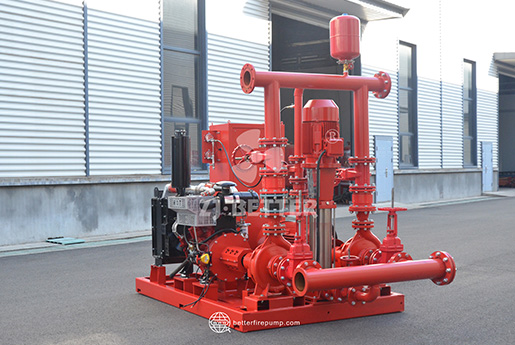
Fire pump overpressure is a common but often underestimated risk in low-demand fire protection systems. While fire pumps are designed to deliver reliable pressure during emergency conditions, many systems operate for long periods under minimal flow. In these scenarios, excessive pressure can build up, leading to system damage, false alarms, leakage, or even catastrophic component failure.
For system designers, contractors, and facility owners, understanding how overpressure occurs and how to control it is critical for long-term system reliability and NFPA 20 compliance. This article explains why overpressure happens in low-demand systems and outlines practical, proven methods to avoid it.
Understanding Fire Pump Overpressure
Fire pump overpressure occurs when the system pressure exceeds the maximum allowable working pressure of piping, valves, sprinklers, or fittings. This situation is most likely to occur during low-flow or no-flow conditions, such as system testing, churn operation, or when only a small hose or test header is open.
Unlike domestic pumps, fire pumps are designed to prioritize reliability over efficiency. They operate at a fixed speed and are capable of generating pressures well above system demand when flow is restricted. If not properly controlled, this characteristic becomes a liability.
Why Low-Demand Systems Are More Vulnerable
Low-demand systems are especially prone to overpressure because they often combine high pump capacity with limited flow paths. Common examples include:
-
Facilities with small sprinkler zones but large fire pumps
-
Systems protected primarily by jockey pumps with infrequent fire pump operation
-
Installations with short piping runs and minimal friction loss
-
Test conditions where only one outlet is flowing
When the fire pump starts and system demand is low, most of the pump’s energy is converted into pressure rather than flow. This can quickly push pressure beyond safe limits.
Risks Associated With Fire Pump Overpressure
Uncontrolled overpressure can cause a wide range of operational and safety issues, including:
-
Damage to sprinklers, valves, and fittings
-
Frequent leakage at joints and flanges
-
Nuisance alarms and system instability
-
Increased wear on pump seals and bearings
-
Violation of NFPA 20 and insurance requirements
Over time, repeated exposure to excessive pressure shortens equipment lifespan and increases maintenance costs.
NFPA 20 Requirements Related to Overpressure
NFPA 20 recognizes overpressure as a serious concern and provides clear guidance to mitigate it. Key requirements include:
-
Pressure relief valves are required when a fire pump can generate pressure exceeding the rated system pressure
-
The relief valve must be sized to handle churn conditions
-
Relief valve discharge must be safely routed to prevent damage or flooding
-
System components must be rated for the maximum possible pressure
Ignoring these requirements can result in failed inspections, rejected projects, or denied insurance coverage.
Proper Fire Pump Selection Is the First Line of Defense
One of the most effective ways to avoid overpressure starts at the design stage. Oversized fire pumps are a leading cause of excessive pressure in low-demand systems.
Pump selection should be based on realistic hydraulic calculations, not conservative assumptions alone. Key considerations include:
-
Actual sprinkler and hose allowance demand
-
Static water supply pressure
-
Elevation differences
-
Future system expansion plans
Selecting a pump that is significantly larger than necessary may seem safer, but it often creates pressure control problems that require additional mitigation later.
Understanding Churn Pressure and Its Impact
Churn pressure refers to the pressure a fire pump generates at zero flow. This value can be substantially higher than rated pressure at 100 percent flow.
In low-demand systems, the pump may operate close to churn conditions during testing or partial flow events. If churn pressure exceeds system limits, overpressure becomes unavoidable without additional control measures.
Designers should always evaluate churn pressure during pump selection and verify that downstream components can safely withstand it.
Using Pressure Relief Valves Effectively
Pressure relief valves are the most common and widely accepted method for controlling fire pump overpressure.
A properly designed relief valve system should:
-
Open automatically when pressure exceeds a preset limit
-
Be sized to pass the full churn flow if required
-
Discharge water to a safe location such as a drain or reservoir
-
Be set and tested according to NFPA 20 guidelines
Relief valves should not be treated as optional accessories. In low-demand systems, they are often essential for protecting both equipment and piping.
Correct Placement and Setting of Relief Valves
The effectiveness of a pressure relief valve depends heavily on correct installation. Poor placement or incorrect settings can render the valve ineffective.
Best practices include:
-
Installing the valve on the pump discharge side
-
Setting the opening pressure below the weakest system component rating
-
Avoiding excessive discharge piping restrictions
-
Ensuring the valve is accessible for inspection and testing
Relief valves should be tested periodically to confirm proper operation under real pressure conditions.
Coordinating Jockey Pump and Fire Pump Pressures
In low-demand systems, improper coordination between the jockey pump and fire pump can contribute to pressure issues.
The jockey pump should maintain normal system pressure without triggering the fire pump unnecessarily. If the jockey pump pressure setting is too close to the fire pump start pressure, frequent cycling and pressure spikes may occur.
Recommended practices include:
-
Setting jockey pump cut-out pressure below fire pump churn pressure
-
Maintaining a sufficient pressure differential between pumps
-
Verifying control settings during commissioning
Proper coordination reduces wear, improves system stability, and minimizes pressure fluctuations.
Control Valves and Pressure Regulating Devices
In some systems, additional pressure control devices may be required, especially when protecting sensitive downstream equipment.
Pressure regulating valves can be used to limit pressure in specific zones or branches. These devices are particularly useful in high-rise or mixed-use systems where different areas have different pressure requirements.
However, pressure regulating devices must be carefully selected to ensure they do not restrict required fire flow during an emergency.
System Testing and Commissioning Are Critical
Many overpressure issues are only discovered during testing or after the system is placed into service. Thorough commissioning helps identify problems early.
During testing, attention should be paid to:
-
Pressure readings at churn, partial flow, and full flow
-
Relief valve operation and discharge behavior
-
Pressure stability during pump start and stop
-
Interaction between jockey pump and fire pump
Documenting these results provides valuable reference data for future maintenance and inspections.
Ongoing Maintenance and Monitoring
Even a well-designed system can develop overpressure issues over time due to component wear, valve adjustments, or system modifications.
Regular maintenance should include:
-
Verifying relief valve settings
-
Inspecting pressure gauges for accuracy
-
Reviewing pump performance curves
-
Checking for signs of leakage or stress
Monitoring system behavior during routine tests helps detect trends before they become serious problems.
Common Mistakes to Avoid
Several recurring mistakes increase the risk of overpressure in low-demand systems:
-
Selecting fire pumps based solely on maximum possible demand
-
Ignoring churn pressure during design
-
Omitting pressure relief valves to reduce initial cost
-
Improper jockey pump pressure settings
-
Assuming overpressure will not occur because demand is low
Avoiding these mistakes requires coordination between designers, manufacturers, and installers.
The Manufacturer’s Role in Overpressure Prevention
Fire pump manufacturers play a critical role in helping customers avoid overpressure problems. Providing accurate pump curves, clear churn pressure data, and application guidance enables better system design.
Manufacturers should also support customers with:
-
Technical consultation during pump selection
-
Clear documentation on pressure limits
-
Guidance on relief valve sizing and installation
-
Support during testing and commissioning
A well-matched pump is not only safer but also more reliable over its service life.
.jpg)
Conclusion
Fire pump overpressure in low-demand systems is not a rare edge case—it is a predictable outcome when high-capacity pumps operate under minimal flow. Fortunately, it is also a problem that can be effectively managed through proper design, correct pump selection, NFPA 20 compliant pressure relief, and careful system coordination.
By understanding the causes of overpressure and applying proven control strategies, system designers and owners can protect equipment, ensure compliance, and extend the life of their fire protection systems. Prevention begins long before installation and continues throughout the system’s operational life.