
.png)
.png)
.png)
How to Maintain Fire Pumps in Coastal Areas
Nov 06, 2025
Share:
Fire pumps are critical components of any fire protection system, ensuring reliable water supply during emergencies. However, in coastal areas, fire pumps face unique challenges due to the harsh marine environment. Salt-laden air, high humidity, and corrosive conditions can accelerate wear and reduce the efficiency and lifespan of fire pumps if proper maintenance procedures are not followed. In this article, we explore practical and effective strategies for maintaining fire pumps in coastal environments, ensuring they perform optimally when needed most.
Understanding the Challenges in Coastal Areas
Coastal areas present specific hazards for fire pump equipment:
-
Saltwater and Salt-Laden Air: Salt accelerates corrosion on metal components, including pump casings, shafts, and fittings. Even minor exposure can lead to rust, which compromises structural integrity and performance.
-
High Humidity: Constant moisture in the air promotes rust, especially in unprotected or poorly ventilated pump rooms.
-
Temperature Fluctuations: Coastal climates often experience temperature swings that can cause condensation inside pumps, seals, and electrical components.
-
Wind-Driven Particles: Sand and dust carried by coastal winds can infiltrate pumps and motors, causing abrasive damage over time.
Understanding these challenges is the first step in implementing a maintenance plan tailored to coastal conditions.
Regular Inspection and Cleaning
Inspection and cleaning are fundamental practices for preventing corrosion and operational failures:
-
Visual Inspections: Conduct frequent visual inspections of pump casings, valves, couplings, and control panels. Look for signs of rust, pitting, or peeling paint.
-
Cleaning: Remove any salt deposits and debris from the pump and surrounding areas. Use fresh water to rinse external surfaces, especially after storms or heavy salt spray. Avoid high-pressure washing near electrical components.
-
Check Seals and Gaskets: Moisture can deteriorate seals and gaskets over time. Regularly inspect and replace any compromised parts to prevent leaks and maintain pressure integrity.
Protective Coatings and Corrosion Resistance
Applying protective coatings is essential in mitigating corrosion in coastal environments:
-
Epoxy and Polyurethane Coatings: These coatings create a barrier against salt and moisture. Reapply periodically according to manufacturer recommendations.
-
Galvanized or Stainless-Steel Components: Whenever possible, use corrosion-resistant materials for pump shafts, casings, and fasteners. Stainless steel or bronze parts can significantly extend the life of fire pumps.
-
Anodic Protection: Consider sacrificial anodes for metal components exposed to saline conditions. These anodes corrode preferentially, protecting the pump itself.
Electrical System Maintenance
Fire pumps rely on electrical systems for reliable operation. Coastal conditions can compromise electrical components:
-
Control Panel Inspection: Ensure control panels are free from corrosion and moisture. Use silicone-based sprays to protect contacts and terminals.
-
Motor Protection: Inspect motor housings for salt accumulation and corrosion. Ensure cooling fans and vents are free of debris.
-
Battery Checks: For diesel engine fire pumps, batteries must be fully charged and terminals cleaned regularly to prevent corrosion.
Lubrication and Mechanical Care
Mechanical components of fire pumps require consistent lubrication to reduce friction and prevent damage:
-
Lubricate Bearings and Couplings: Use manufacturer-recommended lubricants. Coastal exposure may require more frequent lubrication due to accelerated wear from salt and moisture.
-
Pump Alignment: Regularly check shaft alignment to prevent vibration, which can accelerate wear. Misaligned pumps in corrosive environments are more prone to damage.
-
Impeller and Wear Ring Inspection: Saltwater can erode impellers and wear rings over time. Inspect and replace these components as needed to maintain efficiency.
Pump Testing and Operational Checks
Routine testing ensures that the fire pump remains operational and reliable:
-
Weekly or Monthly Test Runs: Operate pumps under no-load or partial-load conditions to circulate water and lubricants.
-
Flow and Pressure Testing: Measure flow rate and discharge pressure to confirm the pump is functioning within design parameters.
-
Alarm and Safety Checks: Test alarms, sensors, and automatic shutdowns to ensure they respond appropriately during emergencies.
Environmental Control in Pump Rooms
Controlling the environment around fire pumps reduces exposure to damaging elements:
-
Dehumidifiers: Installing dehumidifiers can lower moisture levels in pump rooms, reducing corrosion risk.
-
Proper Ventilation: Ensure adequate airflow to prevent condensation and heat buildup.
-
Protective Barriers: Use doors, shutters, or screens to limit salt spray infiltration while allowing access for maintenance.
Documentation and Maintenance Logs
Keeping detailed records is crucial for managing fire pumps in harsh environments:
-
Maintenance Schedules: Maintain a log of inspections, cleaning, lubrication, and testing.
-
Repair Records: Document any replacements or repairs, including dates and parts used.
-
Performance Logs: Track pump performance metrics to identify trends or early signs of degradation.
Staff Training and Awareness
Personnel responsible for fire pump maintenance must understand the unique challenges of coastal environments:
-
Training Programs: Provide training on corrosion prevention, inspection techniques, and emergency procedures.
-
Safety Protocols: Ensure staff are aware of hazards when working with electrical systems or pressurized pumps.
-
Emergency Response Readiness: Staff should know how to manually operate pumps in case of automatic system failure.
Advanced Considerations for Coastal Fire Pumps
For critical applications, additional measures may further extend pump life and reliability:
-
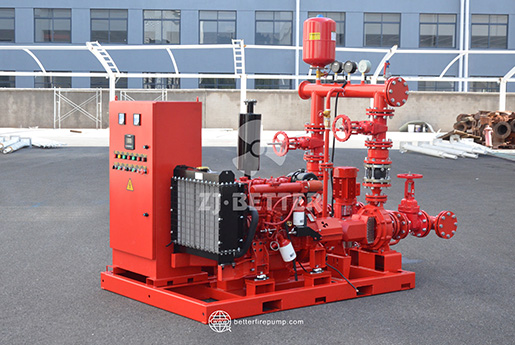
Corrosion-Resistant Fire Pump Packages: Invest in pumps designed specifically for coastal conditions, including coated casings and specialized seals.
-
Remote Monitoring Systems: Consider installing sensors that monitor pump performance, vibration, and corrosion levels, allowing for proactive maintenance.
-
Water Treatment: If using a freshwater supply, ensure it is treated to prevent mineral buildup and corrosion inside the pump.
.jpg)
Conclusion
Maintaining fire pumps in coastal areas requires careful attention, regular inspections, and proactive measures to combat corrosion and moisture-related challenges. By implementing a structured maintenance program that includes cleaning, protective coatings, lubrication, testing, and environmental controls, you can ensure that your fire pumps remain reliable and efficient for years to come. Coastal environments present unique hazards, but with diligent care, fire pumps can perform optimally and provide the critical fire protection needed in these regions.
Investing in the right materials, staff training, and advanced monitoring can further safeguard your fire protection systems. Coastal fire pump maintenance is not just a matter of compliance—it is a commitment to safety, reliability, and long-term performance.