
.png)
.png)
.png)
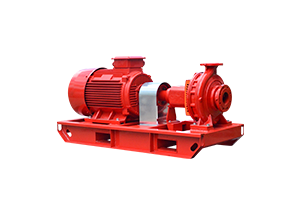
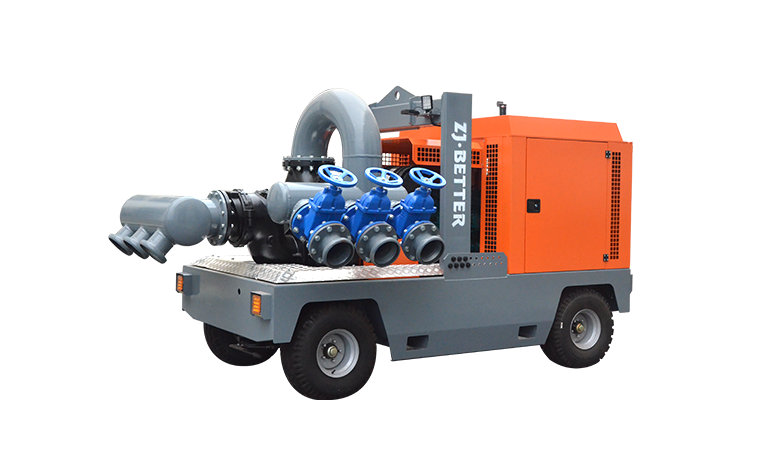
In the fire protection industry, reliability is not optional. A fire pump system is often the last line of defense when a fire emergency occurs. Whether it is installed in a high-rise building, petrochemical plant, warehouse, data center, or municipal facility, the system must operate immediately and without failure.
Manufacturers invest heavily in hydraulic performance testing, controller integration, and compliance with standards such as NFPA 20. However, one critical factor is sometimes underestimated: what happens between the factory and the project site.
Shipping vibration testing plays a vital role in ensuring that a fire pump skid arrives in the same operational condition as when it left the production floor.
.jpg)
What Is a Fire Pump Skid?
A fire pump skid is a fully integrated, skid-mounted assembly that typically includes:
-
Fire pump (centrifugal, split case, vertical turbine, etc.)
-
Driver (electric motor or diesel engine)
-
Controller
-
Base frame and coupling system
-
Piping components and valves
-
Instrumentation and sensors
The entire unit is mounted on a structural steel base, forming a complete fire pump package that simplifies installation and reduces on-site assembly errors.
Modern systems, especially UL-listed fire pump packages and diesel fire pump skids, are increasingly shipped as pre-assembled units. This improves installation efficiency but also increases transportation complexity. The larger and more integrated the skid, the more sensitive it becomes to transport-related stresses.
The Hidden Risk During Transportation
Fire pump skids are heavy, rigid structures. Some can weigh several tons. During shipping—whether by truck, rail, or sea freight—the equipment is exposed to continuous vibration, shock, and impact forces.
These forces are not minor. Transportation vibration can cause:
-
Bolt loosening
-
Shaft misalignment
-
Coupling damage
-
Bearing stress
-
Cracked welds
-
Instrument calibration drift
-
Controller component loosening
Even when no visible external damage is present, internal micro-movements can compromise system reliability.
For fire pumps, this risk is critical. Unlike general industrial pumps, fire pumps often remain idle for long periods and are expected to perform flawlessly during an emergency. A minor misalignment caused during transport can lead to vibration, overheating, or even failure during a fire event.
Why Visual Inspection Is Not Enough
Many companies rely solely on post-delivery inspection. However, visual inspection alone cannot detect internal alignment shifts or subtle structural fatigue.
For example:
-
A coupling may appear intact but be slightly misaligned.
-
Anchor bolts may look secure but have experienced cyclic stress.
-
Diesel engine mounting brackets may have absorbed repeated vibration loads.
Without controlled vibration testing during manufacturing, it is impossible to predict how the skid will respond to real-world transportation conditions.
Shipping vibration testing simulates these conditions in a controlled environment before delivery, allowing engineers to identify weaknesses and reinforce the design.
Understanding Shipping Vibration Testing
Shipping vibration testing subjects the fire pump skid to mechanical vibration profiles that replicate actual transportation environments. The testing may simulate:
-
Road freight vibration frequencies
-
Maritime shipping oscillation
-
Handling shocks during loading and unloading
-
Long-duration low-frequency vibration
The goal is not to damage the equipment but to verify structural integrity, fastening reliability, and system stability under realistic transport conditions.
In advanced quality control processes, vibration testing is integrated as part of the factory acceptance testing sequence.
How Vibration Impacts Critical Fire Pump Components
1. Pump and Driver Alignment
Alignment between the pump and motor (or diesel engine) is crucial for performance and longevity. Misalignment can cause:
-
Increased bearing load
-
Shaft wear
-
Mechanical seal failure
-
Excessive operational vibration
Transportation vibration can gradually shift alignment, especially if the skid base lacks sufficient rigidity. A vibration test ensures the base design and fastening methods can withstand shipping stress.
2. Structural Base Frame Integrity
The skid base is the backbone of the entire system. During transportation, uneven road conditions generate torsional forces that twist the structure.
If the base is not properly reinforced:
-
Weld joints may develop micro-cracks
-
Cross-members may deform
-
Mounting surfaces may become uneven
Vibration testing reveals structural weaknesses that may not be visible during static inspection.
3. Diesel Engine Mounting Stability
Diesel fire pump skids are particularly sensitive because engines are heavier and produce higher dynamic loads. Even slight mounting shifts during transport can affect:
-
Fuel line connections
-
Exhaust alignment
-
Cooling system fittings
Testing verifies that engine mounting brackets and isolation systems remain stable under vibration.
4. Electrical and Control Components
Fire pump controllers contain sensitive electrical components. Long-duration vibration can:
-
Loosen terminal connections
-
Affect relay positioning
-
Damage circuit boards
Although controllers are designed for industrial environments, shipping vibration adds an additional stress factor that must be validated.
Connection to NFPA 20 Compliance
NFPA 20 sets strict requirements for fire pump installation, performance, and reliability. While it focuses primarily on hydraulic and mechanical performance, transportation damage can indirectly impact compliance.
For example:
-
Misalignment may reduce rated performance.
-
Loose components may cause operational instability.
-
Damaged sensors may compromise automatic start functions.
A fire pump that does not perform according to its rated curve during acceptance testing at site may delay project approval.
Shipping vibration testing helps ensure that the equipment arrives ready for installation and testing without unexpected mechanical issues.
Financial and Reputational Impact
In large commercial or industrial projects, delays are costly. If a fire pump skid arrives damaged:
-
Replacement parts may require weeks of lead time.
-
Engineers may need to re-align or reassemble components.
-
The entire project timeline may be delayed.
-
Contractors may question supplier reliability.
For international shipments, the cost of returning or repairing equipment can be extremely high.
More importantly, brand reputation in the fire protection industry depends heavily on reliability. A single transport-related failure can impact future opportunities.
Vibration testing reduces this risk and demonstrates a proactive commitment to quality.
Design Improvements Driven by Testing
Shipping vibration testing is not just about validation; it is also a design improvement tool.
Through testing, manufacturers can:
-
Optimize skid reinforcement structure
-
Improve bolt torque specifications
-
Redesign mounting brackets
-
Select better vibration-resistant fasteners
-
Enhance packaging methods
Continuous testing leads to continuous improvement.
For manufacturers exporting to regions with long sea transport routes, this becomes even more critical. Sea freight introduces prolonged low-frequency motion that differs significantly from road transport.
By understanding these differences, engineers can adapt skid design accordingly.
Packaging Is Not Enough
Many believe heavy wooden crates or steel frames are sufficient protection. While packaging helps reduce impact damage, it does not eliminate internal vibration transfer.
Even inside a crate:
-
The skid remains subject to oscillation.
-
Internal components can move relative to each other.
-
Fasteners can gradually loosen.
Packaging protects against impact; vibration testing protects against internal mechanical stress.
Both are necessary.
Real-World Scenario: Why It Matters
Consider a diesel fire pump skid shipped overseas for a data center project. The unit passes factory performance testing perfectly. During sea freight, it experiences continuous low-frequency motion for several weeks.
Upon installation, engineers notice abnormal vibration during commissioning. Investigation reveals slight engine-to-pump misalignment due to transport stress. The system must be re-aligned and re-tested, delaying final approval.
This scenario is avoidable if vibration resilience is verified before shipment.
Integration Into Quality Control Systems
Leading fire pump manufacturers integrate shipping vibration testing into broader quality systems that include:
-
Hydraulic performance testing
-
Pressure testing
-
Alignment verification
-
Electrical inspection
-
Painting and corrosion protection checks
-
Packaging verification
Adding vibration testing ensures the final delivered product matches the performance achieved in the factory.
For companies exporting UL fire pump packages, maintaining consistency across international markets requires such proactive quality assurance measures.
Risk Management for Contractors and Owners
From the perspective of contractors, consultants, and project owners, vibration-tested fire pump skids offer additional confidence.
Benefits include:
-
Reduced site troubleshooting
-
Faster commissioning
-
Lower risk of project delay
-
Improved lifecycle reliability
-
Greater assurance of emergency readiness
When specifying fire pump systems, decision-makers increasingly consider not only compliance but also transport reliability.
A Competitive Advantage in the Fire Protection Industry
In a competitive global market, technical differentiation matters. Many manufacturers focus only on performance curves and compliance certificates.
However, real-world reliability includes transportation resilience.
Shipping vibration testing demonstrates:
-
Engineering responsibility
-
Attention to detail
-
Long-term reliability focus
-
Commitment to risk reduction
For customers managing large-scale fire protection projects, this level of quality control adds measurable value.
.jpg)
Conclusion
A fire pump skid is more than a collection of components. It is a life-safety system expected to perform under the most critical conditions.
Hydraulic testing ensures performance. Compliance ensures regulatory approval. But shipping vibration testing ensures that performance and compliance remain intact after transportation.
Without it, even the best-designed fire pump system faces unnecessary risk before installation.
For manufacturers committed to delivering reliable, NFPA 20-compliant fire pump packages worldwide, shipping vibration testing is not an optional extra. It is a strategic quality investment that protects equipment, projects, and ultimately, lives.