
.png)
.png)
.png)
Why Fire Pumps Are Critical for Fire Safety?
May 21, 2026
Share:
Fire safety is one of the most important considerations in modern buildings, industrial facilities, commercial properties, and public infrastructure. A reliable fire protection system can mean the difference between a small controllable incident and a devastating disaster. Among all fire protection equipment, fire pumps play a critical role in ensuring firefighting systems perform effectively when emergencies occur.
Fire pumps are designed to provide the necessary water pressure and flow required for fire suppression systems such as sprinklers, hydrants, and standpipe systems. Without adequate pressure, even the best-designed fire protection systems may fail to control a fire in time. This is why fire pumps are considered the heart of many fire protection systems.
.jpg)
What Is a Fire Pump?
A fire pump is a specialized pump used to increase water pressure in a fire protection system. It ensures that water can reach all areas of a building or facility with sufficient force during a fire emergency. Fire pumps are commonly powered by electric motors or diesel engines and are installed in commercial buildings, industrial plants, warehouses, airports, hospitals, high-rise buildings, and other facilities requiring advanced fire protection.
Fire pumps are usually connected to a dedicated water source such as a water tank, reservoir, lake, or municipal water supply. When the pressure in the fire protection system drops below a certain level, the pump automatically starts and supplies the required water flow.
Why Fire Pumps Are Essential for Fire Safety
Ensuring Adequate Water Pressure
One of the main reasons fire pumps are critical is their ability to maintain sufficient water pressure. In many buildings, especially high-rise structures or large industrial facilities, municipal water systems alone cannot provide the pressure needed for effective firefighting.
Fire pumps boost water pressure so sprinkler systems and hydrants can operate efficiently during emergencies. Without this pressure support, water may not reach upper floors or distant sections of a building, reducing the effectiveness of the fire suppression system.
Supporting Automatic Sprinkler Systems
Automatic sprinkler systems are often the first line of defense during a fire. However, sprinklers can only work properly if there is enough water pressure and flow. Fire pumps ensure sprinklers discharge water at the correct rate to suppress or contain fires before they spread.
In large facilities, delayed sprinkler performance due to insufficient pressure can lead to severe property damage and increased risk to human life. Fire pumps help eliminate this risk by delivering reliable water supply immediately when needed.
Protecting Lives and Property
The primary goal of any fire protection system is to save lives and minimize property loss. Fire pumps help achieve both objectives by enabling faster and more effective fire suppression.
When firefighters arrive at a fire scene, they depend on hydrants and standpipe systems to deliver water quickly. Fire pumps ensure these systems have enough pressure to support firefighting operations. Faster fire control reduces smoke, heat, and structural damage while improving evacuation safety for occupants.
Essential for High-Rise Buildings
High-rise buildings present unique fire safety challenges. Water pressure decreases significantly as elevation increases, making it difficult for water to reach upper floors without assistance.
Fire pumps are essential in these buildings because they provide the pressure required to transport water vertically through the fire protection system. Without fire pumps, firefighting efforts on higher floors would be extremely difficult and potentially ineffective.
This is why fire pumps are mandatory in many high-rise building codes and fire safety standards worldwide.
Supporting Industrial Fire Protection
Industrial facilities often contain hazardous materials, flammable liquids, chemicals, or high-value equipment that require advanced fire protection systems. In these environments, fire pumps play a critical role in maintaining reliable firefighting capabilities.
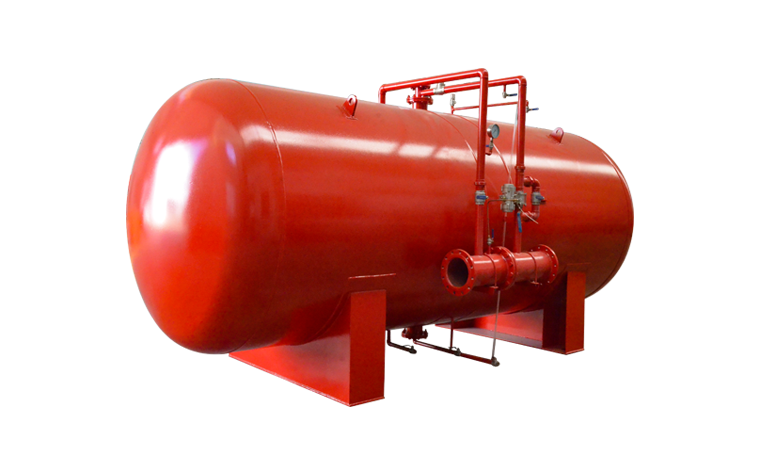
Industries such as oil and gas, manufacturing, power generation, mining, and chemical processing depend heavily on fire pumps to support foam systems, hydrants, monitors, and sprinkler networks.
Industrial fires can spread rapidly and cause catastrophic damage if not controlled immediately. Fire pumps help ensure firefighting systems respond effectively under demanding conditions.
Types of Fire Pumps
Different fire protection applications require different types of fire pumps. Choosing the correct pump is essential for system performance and compliance with fire safety standards.
Electric Fire Pumps
Electric fire pumps are widely used in commercial and industrial applications. They are powered by electric motors and are known for their reliability, low maintenance, and efficient operation.
Electric pumps are suitable for facilities with stable and dependable power supplies. They automatically activate when system pressure drops and can provide consistent performance during fire emergencies.
Diesel Engine Fire Pumps
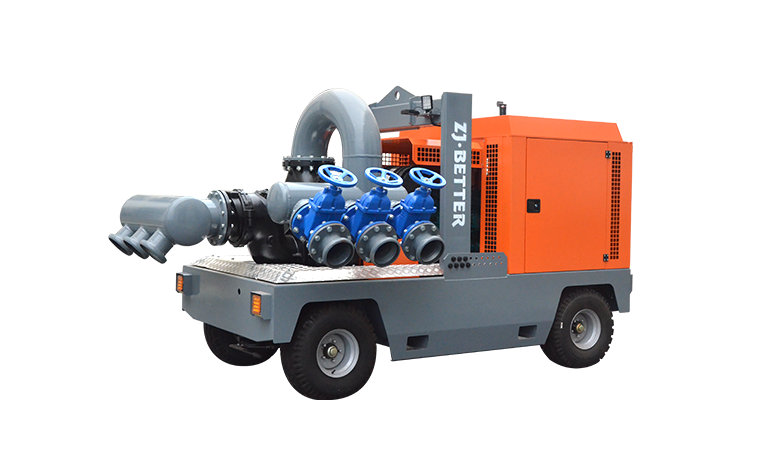
Diesel fire pumps are commonly used as backup or primary fire pumps where electrical power may not be reliable. They are especially important in remote locations, industrial facilities, and critical infrastructure projects.
Because diesel pumps operate independently of electrical systems, they can continue functioning during power outages caused by fires or natural disasters.
Vertical Turbine Fire Pumps
Vertical turbine fire pumps are designed for applications where the water source is located below ground level, such as wells, rivers, lakes, or underground reservoirs.
These pumps are commonly used in municipal water systems, industrial facilities, and large-scale infrastructure projects requiring dependable water supply from deep sources.
Split Case Fire Pumps
Split case fire pumps are among the most common fire pump designs due to their efficiency, durability, and ease of maintenance. They are frequently used in commercial buildings, factories, and warehouses.
Their design allows for high water flow rates, making them ideal for large fire protection systems.
The Importance of NFPA 20 Compliance
Fire pumps must comply with recognized international fire protection standards to ensure reliability and safety. One of the most important standards is NFPA 20, published by the National Fire Protection Association.
NFPA 20 provides guidelines for the installation and operation of stationary fire pumps. It covers pump performance, testing, drivers, controllers, installation requirements, and system design.
Using NFPA 20 compliant fire pumps helps ensure:
- Reliable emergency operation
- Proper system performance
- Improved fire safety compliance
- Reduced system failure risk
- Easier approval by fire authorities and insurance providers
For many international projects, UL listed fire pumps are also required to guarantee quality and safety performance.
Common Applications of Fire Pumps
Fire pumps are used in a wide range of industries and facilities, including:
- Commercial buildings
- High-rise towers
- Shopping malls
- Hospitals
- Airports
- Hotels
- Warehouses
- Manufacturing plants
- Oil and gas facilities
- Data centers
- Power plants
- Marine applications
Each application requires careful system design to ensure the fire pump delivers the necessary pressure and flow under emergency conditions.
What Happens Without a Fire Pump?
Without a properly designed fire pump system, a building may experience insufficient water pressure during a fire emergency. This can lead to:
- Delayed fire suppression
- Sprinkler system failure
- Inadequate hydrant performance
- Increased fire spread
- Greater property damage
- Higher risk to human life
In severe cases, inadequate firefighting capability can result in complete structural loss and significant business interruption.
Fire pumps are not simply optional equipment in many facilities; they are critical life safety components.
Fire Pump Testing and Maintenance
Even the best fire pump system must be regularly tested and maintained to ensure reliable operation. Fire pumps are emergency equipment, meaning they may remain idle for long periods before suddenly being required during a fire.
Routine testing helps verify:
- Automatic startup function
- Pressure performance
- Flow capacity
- Controller operation
- Diesel engine condition
- Battery performance
- System reliability
Regular maintenance reduces the risk of failure and extends the operational life of the fire pump system.
Many fire safety standards require weekly or monthly testing depending on the pump type and application.
Choosing the Right Fire Pump Manufacturer
Selecting a reliable fire pump manufacturer is essential for long-term system performance and safety. A qualified manufacturer should provide:
- NFPA 20 compliant systems
- UL listed or internationally certified products
- Engineering support
- Custom fire pump solutions
- Reliable testing procedures
- After-sales technical support
An experienced manufacturer can help customers choose the correct fire pump type, driver, controller, and system configuration based on project requirements.
Future Trends in Fire Pump Technology
As fire protection technology continues to evolve, fire pumps are becoming more advanced and efficient. Modern fire pump systems increasingly feature:
- Smart monitoring systems
- Remote diagnostics
- Energy-efficient motors
- Automated testing functions
- Improved corrosion resistance
- Advanced control systems
These innovations help improve reliability, reduce maintenance costs, and enhance fire safety performance.
With increasing urbanization and stricter fire safety regulations worldwide, demand for high-quality fire pump systems will continue to grow.
.jpg)
Conclusion
Fire pumps are one of the most critical components of any fire protection system. They ensure reliable water pressure and flow during emergencies, helping sprinkler systems, hydrants, and firefighting equipment operate effectively when lives and property are at risk.
From high-rise buildings and industrial facilities to hospitals and commercial complexes, fire pumps provide the performance necessary to control fires quickly and efficiently. Their role in protecting people, infrastructure, and business operations cannot be overstated.
Investing in high-quality, properly designed, and standards-compliant fire pump systems is essential for achieving effective fire safety and long-term protection.