
.png)
.png)
.png)
Why Routine Fire Pump Inspections Reduce Failure Risk?
May 08, 2026
Share:
Fire pumps are among the most critical components in any fire protection system. When a fire emergency occurs, building owners, facility managers, and fire safety professionals depend on the fire pump to provide adequate water pressure and flow to sprinkler systems, standpipes, and hydrants. Unlike many other mechanical systems, fire pumps are not used every day. In fact, most remain idle for long periods, only operating during testing, maintenance, or emergencies.
This lack of regular daily use creates a hidden risk. Equipment that sits unused can develop issues that remain undetected until the system is needed most. A fire pump may appear fully operational from the outside, while internal mechanical, electrical, or engine-related problems gradually develop over time.
Routine fire pump inspections are essential because they identify these issues before they become system failures. A structured inspection program significantly reduces failure risk, improves system reliability, extends equipment lifespan, and supports compliance with fire protection standards.
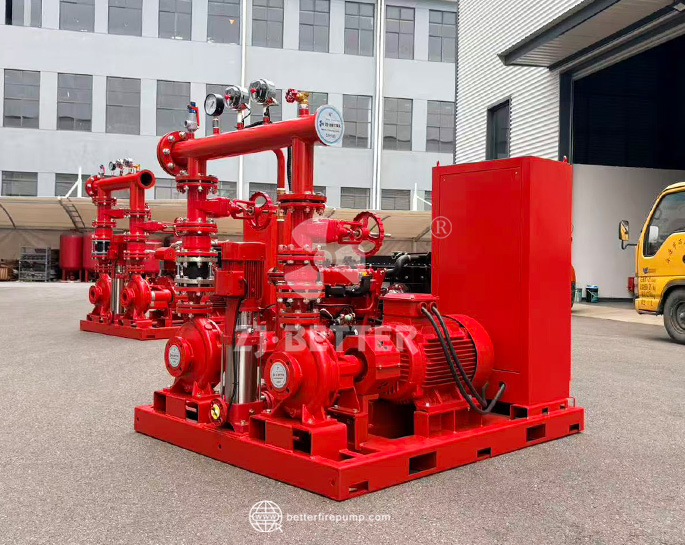
The Hidden Risks of Inactive Fire Pump Systems
A common misconception is that equipment in standby mode requires little attention. In reality, standby fire pumps are vulnerable to multiple forms of deterioration.
Mechanical seals can dry out and crack. Bearings may lose lubrication. Couplings can loosen due to vibration or environmental changes. Corrosion can develop inside piping, valves, and pump casings. Batteries in diesel engine fire pumps may lose charge or degrade over time.
Electrical systems are also vulnerable. Loose terminals, damaged control panels, and power supply issues can prevent electric fire pumps from starting when required.
Because these problems often develop gradually, they may not be obvious without routine inspections and testing. By the time an emergency reveals the issue, it is already too late.
Routine fire pump inspections help detect small problems during their early stages, when corrective action is faster, less expensive, and less disruptive.
Common Causes of Fire Pump Failure
Understanding why fire pumps fail helps explain the importance of regular inspections.
Power Supply Failure
For electric fire pumps, power failure is a leading cause of system failure. Issues may include:
- disconnected power sources
- breaker trips
- damaged wiring
- controller malfunctions
- voltage irregularities
Routine inspections verify electrical integrity and ensure backup systems are functional.
Battery Failure in Diesel Fire Pumps
Diesel fire pumps rely heavily on battery systems for startup. Weak batteries, corroded terminals, and charger failure can prevent engine ignition.
Inspection routines typically include:
- battery voltage checks
- charger operation verification
- electrolyte level review
- terminal cleaning
A simple battery issue can disable an otherwise healthy diesel fire pump.
Controller Malfunctions
The fire pump controller acts as the system’s brain. Faulty sensors, relay failures, alarm issues, or programming errors can prevent automatic startup.
Routine inspections verify:
- controller settings
- alarm conditions
- automatic start functionality
- indicator status
This ensures the controller responds correctly during pressure loss events.
Mechanical Wear
Over time, even idle pumps experience wear and degradation.
Common issues include:
- leaking seals
- shaft misalignment
- bearing wear
- impeller damage
- vibration abnormalities
Routine inspections help maintenance teams identify mechanical problems before catastrophic damage occurs.
Valve Position Errors
A surprisingly common cause of fire pump failure is human error. Valves left partially or fully closed after maintenance can restrict water flow.
Inspection procedures verify:
- suction valve position
- discharge valve position
- bypass valve condition
- relief valve functionality
This simple step prevents operational failure caused by incorrect valve alignment.
How Routine Fire Pump Inspections Reduce Failure Risk
Routine inspections are not simply administrative tasks. They directly improve operational reliability.
Early Detection of Small Issues
Minor issues often become major failures when ignored.
For example:
- a small cooling system leak can lead to diesel engine overheating
- slight vibration can indicate developing bearing failure
- minor battery corrosion can lead to startup failure
Routine inspections catch these problems early, allowing maintenance teams to resolve them before system failure occurs.
Verification of Automatic Operation
A fire pump must start automatically under low-pressure conditions.
Inspection and testing procedures verify:
- pressure switch performance
- automatic startup sequence
- controller response
- pump acceleration
This ensures the system activates without manual intervention during emergencies.
Improved Equipment Reliability
Reliability depends on consistent performance under expected operating conditions.
Routine inspections build reliability by confirming:
- pumps start properly
- engines run smoothly
- controllers function correctly
- valves remain properly aligned
- alarms operate as intended
Consistent monitoring reduces uncertainty and increases confidence in system readiness.
Reduced Downtime and Emergency Repairs
Emergency fire pump repairs are expensive and disruptive. Failure during an actual fire event can also result in property loss, business interruption, legal liability, and life safety consequences.
Routine inspections reduce these risks by minimizing unexpected failures and allowing scheduled maintenance planning.
Preventive maintenance is almost always less costly than emergency corrective maintenance.
Extended Equipment Lifespan
Fire pumps represent a major investment. Routine inspections protect this investment by reducing wear-related damage.
Benefits include:
- longer pump life
- reduced component replacement frequency
- improved engine performance
- lower lifecycle costs
A well-maintained fire pump system can provide reliable service for decades.
Key Components Checked During Fire Pump Inspections
A comprehensive fire pump inspection should include evaluation of all major system components.
Pump Assembly
Inspectors typically review:
- casing condition
- leaks
- vibration
- unusual noise
- bearing temperature
- lubrication condition
Driver System
For diesel fire pumps:
- fuel level
- oil pressure
- coolant level
- battery condition
- exhaust system
- engine operation
For electric fire pumps:
- motor condition
- voltage
- amperage
- insulation integrity
- motor bearings
Controller
Controller inspection includes:
- display status
- alarm history
- start sequence
- timer settings
- power supply verification
Piping and Valves
Inspection checks include:
- leaks
- corrosion
- valve positions
- pressure gauges
- relief valve condition
Water Supply
Reliable water supply is fundamental.
Inspectors verify:
- suction pressure
- tank levels
- reservoir condition
- incoming supply availability
Without adequate water, even a perfectly functioning pump cannot perform.
Inspection Frequency Matters
Routine inspections must follow a defined schedule.
Industry practices commonly include:
Weekly Inspections
Weekly checks often include:
- visual inspection
- controller status
- battery condition
- pressure readings
- room condition
Monthly Testing
Monthly tasks may include:
- churn test
- automatic startup verification
- diesel engine operation review
- alarm checks
Annual Performance Testing
Annual testing evaluates pump performance under flow conditions to verify design capacity.
This often includes:
- rated flow testing
- peak load testing
- controller performance review
- pressure analysis
Consistent scheduling ensures no major inspection gaps occur.
Compliance Benefits of Routine Fire Pump Inspections
Routine inspections also support compliance with fire protection regulations and standards.
Inspection records demonstrate that facility owners are actively maintaining life safety systems.
Benefits include:
- easier audits
- reduced compliance violations
- improved insurance confidence
- documented maintenance history
Accurate documentation also helps identify recurring issues and maintenance trends over time.
Choosing Quality Fire Pumps Is Only the Beginning
Selecting a high-quality fire pump is critical, but product quality alone does not eliminate failure risk.
Even the best fire pump systems require:
- routine inspections
- scheduled maintenance
- operational testing
- trained personnel
Manufacturers design fire pumps for durability and reliability, but field conditions, environment, and time all impact system performance.
A strong inspection program bridges the gap between installation and long-term reliability.
Final Thoughts
Fire pumps are silent guardians of fire protection systems. Most of the time, they wait in standby mode, unnoticed and inactive. But when a fire occurs, they instantly become one of the most important systems in a facility.
The challenge is simple: a fire pump cannot be allowed to fail.
Routine fire pump inspections reduce failure risk by identifying hidden issues, verifying operational readiness, supporting maintenance planning, and extending equipment lifespan. They transform fire pump maintenance from reactive problem-solving into proactive risk management.