
.png)
.png)
.png)
Fire pump systems are the backbone of any fire protection system. Whether installed in commercial buildings, industrial facilities, data centers, hospitals, or high-rise residential projects, a fire pump is expected to operate flawlessly during emergencies. When a fire occurs, there is no second chance to correct mistakes, recalibrate settings, or fix installation issues. This is why fire pump system testing before handover is not just a procedural step, but a critical responsibility.
Many project stakeholders focus heavily on equipment selection, certifications, and installation quality, but underestimate the importance of comprehensive testing before the system is officially handed over. In reality, even a fully compliant and correctly installed fire pump can fail if it has not been properly tested under real operating conditions. Fire pump system testing bridges the gap between design intent and real-world performance.
This article explains why fire pump system testing before handover is essential, what risks are involved if it is neglected, and how proper testing protects lives, property, and long-term project value.
Fire Pump Testing Confirms the System Works as Designed
Fire pump systems are designed based on specific hydraulic calculations, hazard classifications, and performance requirements. These designs assume that the pump will deliver a certain flow rate and pressure when required. However, design assumptions alone are not enough.
Fire pump system testing verifies that the installed system actually meets those design parameters. During testing, the pump is operated at different flow points to confirm its performance curve. This ensures that the pump can deliver rated pressure at 100 percent capacity and still operate safely at higher flow conditions.
Without testing, there is no proof that the system can meet the required fire demand. A pump that looks correct on paper may underperform due to incorrect impeller trimming, motor issues, installation errors, or system restrictions. Testing is the only way to confirm real performance.
Early Detection of Installation Errors and System Defects
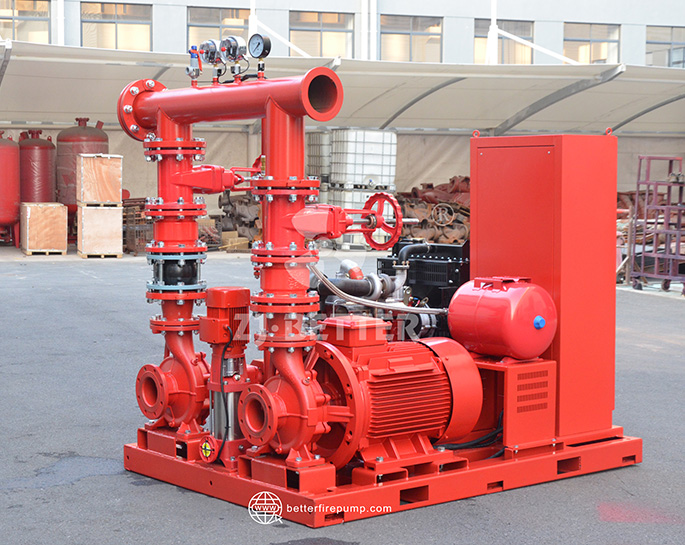
Fire pump installations involve multiple components working together, including the pump, driver, controller, suction and discharge piping, valves, pressure relief devices, and power or fuel supply. Even small errors in installation can significantly affect system performance.
Fire pump system testing before handover helps identify issues such as air leaks in suction piping, improper valve positioning, excessive vibration, misalignment between pump and driver, unstable power supply, or insufficient fuel delivery in diesel systems. It can also reveal incorrect controller settings or wiring problems that might prevent the pump from starting automatically.
Detecting these issues during testing allows corrective actions to be taken before the system is placed into service. Once the building is occupied, fixing these problems becomes more difficult, more expensive, and more disruptive.
Compliance With Codes and Standards Is Not Optional
Fire pump systems are governed by strict fire safety codes and standards. In many regions, fire pump acceptance testing is mandatory before final approval, occupancy permits, or insurance coverage can be granted. Standards such as NFPA 20 clearly define testing requirements, procedures, and acceptance criteria.
Fire pump system testing before handover demonstrates compliance with applicable regulations and provides documented evidence that the system meets required standards. Authorities having jurisdiction, insurance inspectors, and fire consultants often require formal test records as part of project closeout documentation.
Skipping or rushing testing can lead to failed inspections, delayed project handover, or legal liabilities. In some cases, a building may not be allowed to operate until proper fire pump testing is completed and approved.
Fire Pump Testing Protects Life Safety
The ultimate purpose of a fire pump system is to protect lives. In a fire emergency, sprinklers, hydrants, or hose reels rely on the fire pump to supply sufficient water pressure and flow. If the pump fails, the entire fire protection system may become ineffective.
Fire pump system testing simulates real emergency conditions. It verifies that the pump starts automatically when pressure drops, transitions smoothly between power sources if applicable, and continues running without overheating or mechanical failure. It also ensures that alarms and monitoring signals function correctly.
By validating system performance before handover, testing reduces the risk of catastrophic failure during an actual fire. This is not just a technical issue, but a moral and professional responsibility for everyone involved in the project.
Preventing Costly Failures After Handover
Fire pump failures discovered after handover can be extremely costly. Repairs may require system shutdowns, building evacuations, or reinspection by authorities. In some cases, defective systems lead to insurance disputes or legal claims after a fire incident.
Testing before handover minimizes these risks by identifying problems early, when responsibility is clear and corrective actions are easier to implement. It also protects manufacturers, contractors, and consultants from disputes related to performance claims or alleged defects.
From a project owner’s perspective, proper testing ensures they receive a fully functional system that meets expectations and contractual requirements. This reduces long-term maintenance costs and improves system reliability throughout its service life.
Verification of Control, Power, and Backup Systems
A fire pump system is more than just a pump. It includes controllers, sensors, power supplies, and backup systems designed to ensure continuous operation during emergencies. Fire pump system testing evaluates how these components interact under real conditions.
For electric fire pumps, testing confirms voltage stability, phase balance, and automatic start functions. For diesel fire pumps, it verifies fuel supply, engine cooling, battery capacity, and automatic startup reliability. In systems with multiple pumps or backup configurations, testing ensures proper sequencing and coordination.
Without comprehensive testing, hidden issues in control or power systems may remain undetected until a real emergency occurs. Testing before handover confirms that the entire system operates as an integrated fire protection solution.
Building Confidence for Owners and Operators
Fire pump systems are often managed by facility teams who may not be involved in the installation process. Fire pump system testing before handover provides owners and operators with confidence that the system is ready for service.
Testing sessions also serve as valuable training opportunities. Operators can observe system behavior, understand normal operating parameters, and learn how to respond to alarms or abnormal conditions. This knowledge is critical for ongoing maintenance and emergency response.
A properly tested system, supported by clear test records and performance data, builds trust between manufacturers, contractors, and end users.
Supporting Long-Term Maintenance and Lifecycle Performance
Fire pump testing before handover establishes a performance baseline. The data collected during testing can be used for future comparisons during routine inspections and maintenance. This makes it easier to identify performance degradation, wear, or system changes over time.
Baseline data supports predictive maintenance strategies and helps ensure that the fire pump continues to operate within acceptable limits throughout its lifecycle. Without initial test data, it is difficult to determine whether future performance changes are normal or indicate a developing problem.
In this way, testing before handover contributes to the long-term reliability and sustainability of the fire protection system.
Manufacturer Responsibility and System Accountability
For fire pump manufacturers, system testing before handover is an opportunity to demonstrate product quality and technical expertise. It confirms that the pump performs as rated and meets project specifications under real operating conditions.
Testing also reinforces accountability. When performance is documented and verified, it reduces misunderstandings between manufacturers, installers, and end users. Clear test results help define responsibilities and ensure transparency throughout the project delivery process.
From a manufacturer’s perspective, successful testing strengthens reputation and builds confidence in the brand’s engineering and production standards.
.jpg)
Conclusion: Testing Is Not a Formality, It Is a Safeguard
Fire pump system testing before handover is not a box-ticking exercise or a mere formality. It is a critical safeguard that ensures performance, compliance, safety, and reliability when it matters most. A fire pump that has not been properly tested is an unknown risk, regardless of its certifications or specifications.
By investing time and attention in thorough fire pump system testing, project stakeholders protect lives, property, and long-term system value. For manufacturers, contractors, and owners alike, testing before handover is the final and most important step in delivering a fire protection system that can be trusted in an emergency.