
.png)
.png)
.png)
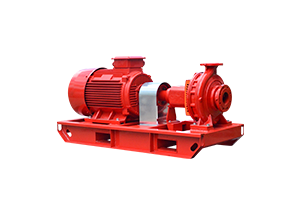
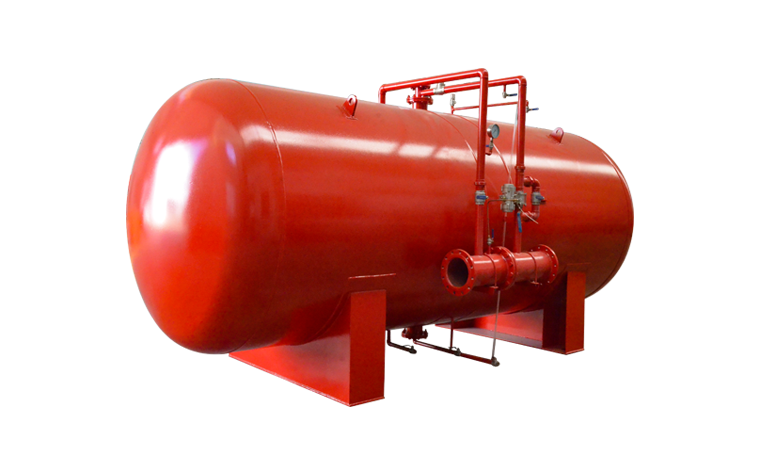
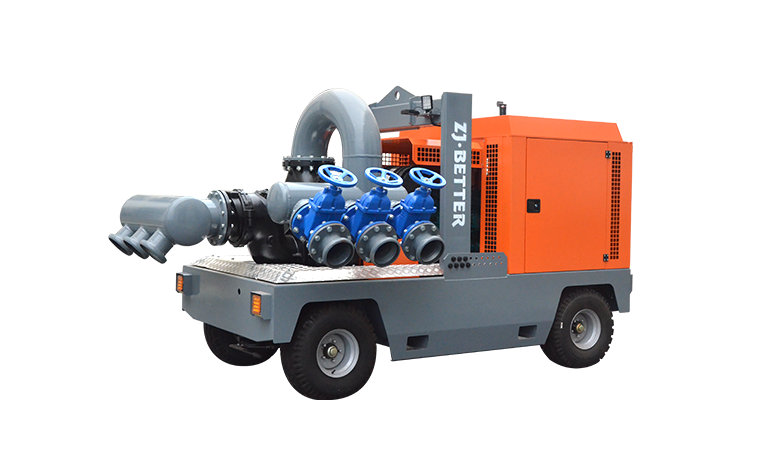
Fire pumps are the backbone of any fixed fire protection system. When a fire breaks out, there is no second chance for failure. While performance parameters such as flow rate, pressure, and compliance with standards often receive the most attention, the materials used in fire pump construction play an equally critical role in determining long-term reliability.
For engineers, contractors, and building owners, understanding how fire pump materials influence durability, maintenance requirements, and operational stability is essential. This article explores why material selection is not just a manufacturing detail, but a decisive factor in the lifetime performance of a fire pump system.
.jpg)
The Real Meaning of Long-Term Reliability in Fire Pumps
Long-term reliability means more than simply running during annual tests. A reliable fire pump must:
-
Start immediately after years of inactivity
-
Deliver rated performance under emergency conditions
-
Resist corrosion, wear, and mechanical fatigue
-
Maintain dimensional stability and alignment
-
Operate reliably throughout its design life
Unlike many industrial pumps, fire pumps often remain idle for extended periods. This makes material integrity even more critical, as corrosion, seizure, and material degradation can occur silently over time.
Why Fire Pump Materials Matter More Than You Think
Fire pump components are exposed to a combination of challenging conditions:
-
Static water exposure for long periods
-
Variable water quality, including chlorides or sediments
-
High rotational speeds during operation
-
Sudden pressure changes and mechanical shock
-
Ambient environmental conditions such as humidity or heat
Poor material choices may reduce upfront cost, but they significantly increase the risk of failure when the pump is needed most. The consequences of material failure in a fire pump are not just financial—they can be catastrophic.
Key Fire Pump Components and Their Material Impact
Fire Pump Casing Materials
The pump casing is the primary pressure-containing component. It must withstand internal pressure, thermal stress, and long-term exposure to water.
Common casing materials include cast iron, ductile iron, and bronze. Cast iron offers good strength and cost efficiency but is more susceptible to corrosion if water quality is poor. Ductile iron provides improved mechanical strength and impact resistance, making it suitable for high-pressure applications. Bronze casings offer excellent corrosion resistance, especially in seawater or brackish environments.
A casing material with inadequate corrosion resistance may develop internal pitting, reducing hydraulic efficiency and weakening structural integrity over time.
Impeller Materials and Hydraulic Stability
The impeller directly affects pump performance and efficiency. Its material must resist erosion, corrosion, and cavitation damage.
Bronze impellers are widely used due to their corrosion resistance and dimensional stability. In contrast, cast iron impellers are more prone to rust and surface degradation, especially in stagnant water conditions. Stainless steel impellers offer high strength and corrosion resistance but must be carefully selected to avoid galling or excessive cost.
Impeller material degradation can lead to reduced flow, vibration, imbalance, and eventual mechanical failure.
Shaft Materials and Mechanical Reliability
The pump shaft transmits power from the driver to the impeller. It operates under continuous torsional stress and must maintain precise alignment.
Stainless steel shafts are commonly used for their corrosion resistance and strength. Lower-grade materials may corrode over time, leading to pitting that concentrates stress and increases the risk of fatigue failure.
A compromised shaft does not fail gradually—it can fail suddenly during startup, making material selection critical for emergency reliability.
Wear Rings and Clearance Control
Wear rings are sacrificial components designed to maintain hydraulic efficiency by controlling internal clearances.
Materials such as bronze or stainless steel are preferred for wear rings due to their wear resistance and compatibility with mating surfaces. Improper material pairing can lead to galling, seizure, or accelerated wear.
Excessive wear ring degradation increases internal leakage, reducing pump capacity and potentially causing failure to meet required fire flow.
Bearings, Seals, and Auxiliary Components
While often overlooked, bearings and seals are among the most failure-prone components in fire pumps.
Bearing materials must withstand infrequent operation without degradation. Seal materials must resist hardening, cracking, and chemical attack during long idle periods.
Inferior materials in these components often result in leakage, vibration, overheating, or seizure during emergency startup.
Corrosion Resistance and Idle Conditions
One of the most critical challenges for fire pumps is corrosion during non-operation. Pumps that sit idle are particularly vulnerable to:
-
Internal rust formation
-
Galvanic corrosion between dissimilar metals
-
Seal surface degradation
-
Shaft seizure
Material selection must account for long-term water exposure without movement. Corrosion-resistant materials significantly reduce the risk of startup failure after months or years of inactivity.
Environmental Conditions and Material Selection
Fire pump installations vary widely in environment:
-
Coastal regions with high chloride content
-
Industrial sites with aggressive water chemistry
-
Underground pump rooms with high humidity
-
Outdoor installations exposed to temperature extremes
Each environment places different demands on materials. A fire pump designed for clean municipal water may fail prematurely in a corrosive industrial setting if materials are not properly selected.
Reliable manufacturers evaluate operating environments and select materials accordingly rather than applying a one-size-fits-all approach.
Compliance Standards and Material Requirements
Fire pump standards such as NFPA 20 and UL listings do not only address performance—they also specify acceptable materials for critical components.
Certified materials ensure:
-
Consistent mechanical properties
-
Proven long-term performance
-
Resistance to known failure modes
-
Compatibility between components
Using non-compliant or untested materials may compromise certification and introduce unknown risks to system reliability.
Lifecycle Cost vs Initial Cost
Choosing lower-grade materials may reduce the initial purchase price, but it significantly increases lifecycle costs through:
-
Frequent maintenance
-
Premature component replacement
-
Reduced service life
-
Increased risk of emergency failure
High-quality fire pump materials reduce downtime, maintenance labor, and long-term operational risk. In fire protection systems, reliability should always outweigh short-term cost savings.
Material Quality and Manufacturing Expertise
Material selection alone is not enough. Casting quality, machining accuracy, and heat treatment processes all affect how materials perform over time.
Porosity in castings, improper heat treatment, or poor surface finishing can negate the advantages of even high-grade materials. This is why experienced fire pump manufacturers focus on both material specification and manufacturing control.
How Material Selection Protects System Integrity
Fire pumps do not operate in isolation. Material failures can lead to:
-
Misalignment affecting couplings and drivers
-
Vibration damaging piping and supports
-
Leakage compromising fire room safety
-
Reduced confidence in system readiness
High-quality materials ensure not only pump reliability, but also the stability of the entire fire protection system.
Making the Right Material Choices
For project engineers and system designers, evaluating fire pump materials should be a priority during specification and procurement.
Key questions to ask include:
-
What materials are used for each major component?
-
How do these materials perform in the intended environment?
-
Are they compliant with applicable fire protection standards?
-
Does the manufacturer have proven experience with these materials?
Transparent material specifications are a strong indicator of a manufacturer’s commitment to long-term reliability.
.jpg)
Conclusion
Fire pump materials are not a secondary consideration—they are fundamental to long-term reliability, safety, and system performance. From casings and impellers to shafts and seals, every material choice directly affects corrosion resistance, mechanical stability, and emergency readiness.
For fire protection systems designed to save lives and property, reliability is non-negotiable. Selecting fire pumps built with appropriate, certified, and well-engineered materials is one of the most effective ways to ensure that reliability over decades of service.
In fire safety, performance during normal operation matters. Performance when it truly counts matters even more.