
.png)
.png)
.png)
Why Diesel Fire Pumps Are Preferred for Critical Facilities?
Jan 16, 2026
Share:
Critical facilities such as hospitals, data centers, airports, power plants, industrial complexes, and military installations cannot afford failure in any part of their fire protection system. In these environments, fire incidents pose not only property risks but also threats to human life, essential services, and national infrastructure. Among all components of a fire protection system, the fire pump plays a decisive role in ensuring adequate water pressure and flow during an emergency.
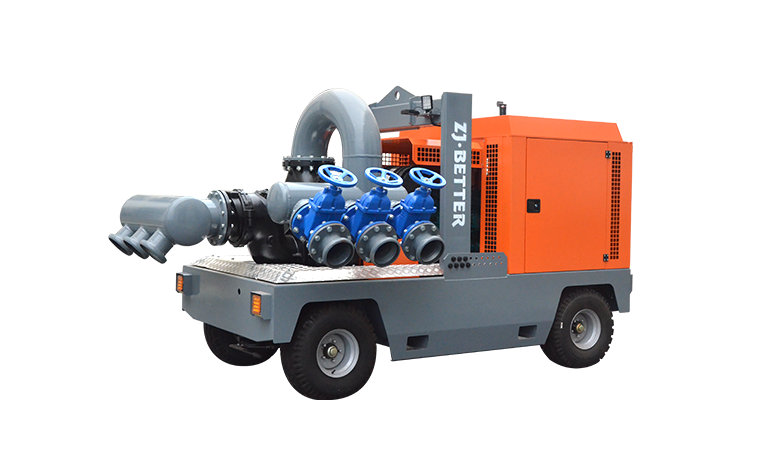
Diesel fire pumps have long been recognized as the preferred solution for critical facilities worldwide. Their ability to operate independently of external power sources, maintain performance under extreme conditions, and comply with strict international fire protection standards makes them a trusted choice for mission-critical applications. This article explores in depth why diesel fire pumps remain the first choice for critical facilities and how they contribute to fire safety reliability.
.jpg)
Understanding the Role of Fire Pumps in Critical Facilities
Fire pumps are designed to supply water at the required pressure and flow when the existing water supply is insufficient. In critical facilities, the fire pump system must function flawlessly during the most challenging circumstances, including power outages, natural disasters, and system failures.
Unlike residential or low-risk commercial buildings, critical facilities often operate 24/7 and contain high-value assets, sensitive equipment, or vulnerable occupants. Any interruption in fire protection can result in catastrophic consequences. Therefore, selecting the correct fire pump type is not merely a technical decision but a strategic safety investment.
Independence from Electrical Power Supply
One of the most significant advantages of diesel fire pumps is their complete independence from the electrical grid. During a fire emergency, power failure is not a hypothetical scenario but a likely event. Electrical systems may shut down automatically, be damaged by fire, or fail due to overload.
Diesel fire pumps operate using a dedicated diesel engine and fuel supply, allowing them to start and run even when all electrical power is lost. This independence ensures continuous water delivery when it is needed most. For critical facilities, this feature alone often justifies the selection of a diesel fire pump over other options.
In contrast, electric fire pumps rely on a stable power source or emergency generators, both of which introduce additional points of failure. Diesel fire pumps eliminate this dependency, offering a self-contained and highly reliable solution.
Superior Reliability in Emergency Conditions
Reliability is the cornerstone of fire protection design in critical facilities. Diesel fire pumps are engineered specifically for emergency operation, not for continuous daily use. This design philosophy allows them to remain idle for extended periods and still perform instantly when activated.
Diesel engines are mechanically robust and capable of operating under extreme temperatures, vibration, and environmental stress. When properly maintained, a diesel fire pump can deliver consistent performance for decades. This long-term reliability is particularly valuable in facilities where fire events are rare but consequences are severe.
Additionally, diesel fire pumps are less sensitive to voltage fluctuations, electrical faults, and control panel failures, which further enhances their reliability in emergency scenarios.
Compliance with Fire Protection Standards
Critical facilities are subject to strict fire safety regulations and insurance requirements. Diesel fire pumps are widely recognized and accepted under international standards such as NFPA 20, which governs the installation of stationary fire pump systems.
NFPA 20 explicitly addresses diesel engine fire pumps, including requirements for engine performance, fuel storage, cooling systems, and testing procedures. Compliance with these standards ensures that diesel fire pumps meet the highest safety and performance criteria.
Many authorities having jurisdiction, insurance companies, and fire protection consultants specifically recommend or require diesel fire pumps for high-risk and mission-critical applications due to their proven track record and regulatory acceptance.
Enhanced Performance During Prolonged Emergencies
Fire emergencies in critical facilities can last longer than those in conventional buildings. Industrial fires, large-scale infrastructure incidents, or complex evacuation scenarios may require extended firefighting operations.
Diesel fire pumps are well-suited for prolonged operation. With adequate fuel storage, they can run continuously for several hours without interruption. This capability is essential when municipal water pressure fluctuates or when firefighting efforts demand sustained water flow.
Unlike electric pumps that may be limited by generator capacity or electrical system constraints, diesel fire pumps maintain stable performance as long as fuel is available, making them ideal for extended emergency response.
Reduced System Complexity and Failure Points
In critical fire protection systems, simplicity enhances reliability. Diesel fire pumps reduce overall system complexity by eliminating the need for emergency power supply coordination, transfer switches, and electrical redundancy layers.
A typical diesel fire pump system includes the pump, engine, controller, cooling system, and fuel supply. Each component is purpose-built for emergency use and designed to work together seamlessly. Fewer dependencies mean fewer potential failure points during a fire event.
For critical facilities, this simplified architecture translates into higher confidence that the fire pump will operate exactly as intended when activated.
Proven Performance in High-Risk Environments
Diesel fire pumps have a long history of successful operation in some of the world’s most demanding environments. Facilities such as oil and gas plants, chemical factories, mining operations, and power generation sites often face harsh conditions, including high temperatures, dust, humidity, and vibration.
Diesel engines are inherently well-suited for these conditions. Their rugged construction and tolerance for environmental stress make diesel fire pumps a dependable choice where electric motors might be more vulnerable.
This proven performance record reinforces the preference for diesel fire pumps in critical facilities where environmental challenges are unavoidable.
Flexibility in Installation and Location
Critical facilities are often located in remote or infrastructure-limited areas where reliable electrical power may not be readily available. Diesel fire pumps offer greater flexibility in such situations, as they do not require high-capacity electrical connections.
This flexibility allows designers to position fire pump rooms strategically, optimize piping layouts, and ensure compliance with fire codes without being constrained by electrical infrastructure limitations. For facilities undergoing expansion or phased development, diesel fire pumps also provide adaptability as site conditions evolve.
Strong Acceptance by Insurance and Risk Assessors
Insurance providers and risk assessment professionals play a significant role in fire protection decision-making for critical facilities. Diesel fire pumps are widely viewed as a lower-risk option due to their independence, reliability, and compliance with established standards.
Facilities equipped with diesel fire pumps often benefit from smoother approval processes, improved risk profiles, and greater confidence from stakeholders. This acceptance further reinforces their preferred status in high-value and high-risk installations.
Long-Term Value and Lifecycle Considerations
While the initial cost of a diesel fire pump system may be higher than some alternatives, critical facilities prioritize lifecycle value over upfront savings. Diesel fire pumps offer long service life, predictable maintenance requirements, and stable performance over time.
Their durability reduces the likelihood of unexpected failures, costly downtime, or emergency replacements. When evaluated over the full lifecycle of a critical facility, diesel fire pumps often represent a cost-effective investment in safety and operational resilience.
Diesel Fire Pumps vs Electric Fire Pumps in Critical Applications
Electric fire pumps are widely used in standard commercial buildings, but critical facilities demand a higher level of assurance. The primary limitation of electric fire pumps lies in their dependence on electrical power, even when backed by generators.
Diesel fire pumps provide a higher level of autonomy and certainty, which is why they are frequently selected as the main fire pump or as a primary backup system in critical applications. In many cases, critical facilities employ a combination of pump types, with diesel fire pumps serving as the ultimate safeguard against total power loss.
.jpg)
Conclusion
Diesel fire pumps are preferred for critical facilities because they deliver what matters most in fire protection: reliability, independence, and performance under the worst conditions. Their ability to operate without external power, comply with stringent standards, and perform consistently during prolonged emergencies makes them an essential component of fire safety strategies for mission-critical environments.
For hospitals, data centers, industrial plants, infrastructure hubs, and other high-risk facilities, diesel fire pumps are not just a technical choice but a commitment to safety, continuity, and resilience. As fire protection demands continue to grow in complexity and importance, diesel fire pumps remain a cornerstone solution trusted by engineers, authorities, and facility owners worldwide.