
.png)
.png)
.png)
What Is Fire Pump System Commissioning?
May 25, 2026
Share:
Fire pumps are one of the most critical components in a fire protection system. They provide the necessary water pressure and flow required to support sprinkler systems, hydrants, and standpipe systems during emergencies. Whether installed in industrial facilities, commercial buildings, warehouses, or municipal infrastructure, fire pumps must operate reliably at all times.
However, one common issue that can affect performance and system reliability is fire pump overheating. Overheating can lead to equipment damage, reduced efficiency, unexpected shutdowns, and even complete fire pump failure during critical situations. Understanding what causes overheating, how to identify it, and how to prevent it is essential for maintaining a dependable fire protection system.
.jpg)
Understanding Fire Pump Overheating
Fire pump overheating occurs when the temperature of the pump, motor, engine, or related components rises beyond the recommended operating range. Excessive heat can affect both electric fire pumps and diesel engine fire pumps, although the causes may differ depending on the pump type and installation conditions.
In many cases, overheating develops gradually due to operational stress, poor maintenance, or mechanical problems. If ignored, excessive heat can damage bearings, seals, impellers, motors, engines, and control systems. Overheating may also reduce the lifespan of the entire fire pump system.
Fire pumps are designed to operate under demanding conditions, but they still require proper cooling, lubrication, and system balance to function correctly.
Why Fire Pump Overheating Is a Serious Problem
A fire pump is expected to perform immediately during a fire emergency. If overheating causes the system to malfunction, the consequences can be severe. Unlike general water pumps, fire pumps are life safety equipment. Any failure can put property, operations, and human lives at risk.
Some of the major risks associated with overheating include:
- Damage to pump bearings and seals
- Reduced pump efficiency
- Premature wear of mechanical components
- Motor or diesel engine failure
- Increased vibration and noise
- Unexpected shutdown during operation
- Higher maintenance and repair costs
- Reduced reliability of the fire protection system
For facilities that rely on continuous fire protection compliance, overheating can also lead to inspection failures and operational downtime.
Common Causes of Fire Pump Overheating
Understanding the root causes of overheating is the first step toward preventing damage and ensuring reliable operation.
Insufficient Water Flow
One of the most common causes of fire pump overheating is insufficient water flow through the pump. Fire pumps rely on water movement to help dissipate heat generated during operation. When the discharge flow is too low, heat can accumulate inside the pump casing.
This issue often occurs during churn operation, where the pump runs with minimal or no water demand. Prolonged churn conditions can significantly increase internal temperatures.
To prevent overheating during low-flow conditions, many fire pump systems include circulation relief valves. These valves allow a small amount of water to circulate continuously, helping control temperature buildup.
Blocked or Restricted Suction Line
A blocked suction pipe or clogged strainer can restrict water entering the pump. Reduced water supply forces the pump to work harder, increasing friction and heat generation.
Common causes of suction restriction include:
- Debris buildup
- Closed or partially closed valves
- Corroded piping
- Undersized suction lines
- Air pockets in the pipeline
Maintaining a clean and properly designed suction system is critical for stable pump operation.
Bearing Failure
Bearings support the rotating shaft inside the pump. When bearings become worn, damaged, or improperly lubricated, friction increases significantly. Excessive friction creates heat that can spread throughout the pump assembly.
Typical signs of bearing-related overheating include:
- Abnormal vibration
- Grinding noises
- Increased operating temperature
- Shaft misalignment
Regular lubrication and condition monitoring help reduce the risk of bearing failure.
Poor Ventilation in the Pump Room
Fire pump rooms must maintain proper ventilation, especially when diesel engine fire pumps are installed. Poor airflow can trap heat around the engine, controller, and pump equipment.
High ambient temperatures can cause:
- Engine overheating
- Reduced cooling efficiency
- Electrical component stress
- Controller malfunctions
Pump room ventilation systems should comply with applicable fire protection standards and local regulations.
Cooling System Problems in Diesel Fire Pumps
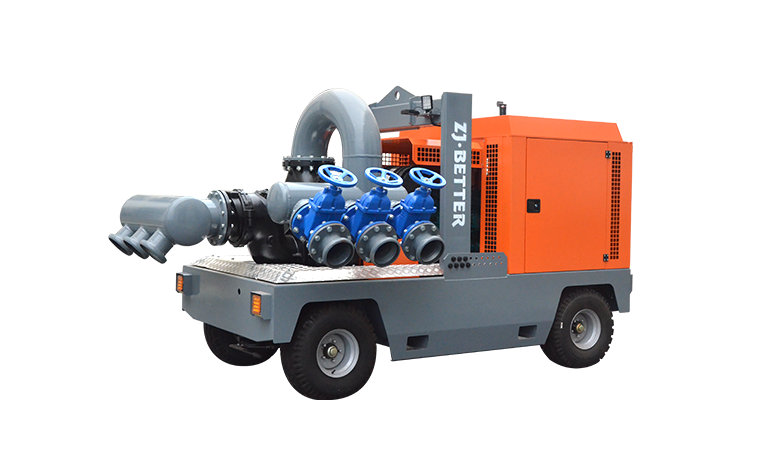
Diesel engine fire pumps rely on cooling systems to maintain safe operating temperatures. Problems with the radiator, coolant level, heat exchanger, or cooling water supply can quickly result in overheating.
Common cooling system issues include:
- Low coolant levels
- Coolant leaks
- Blocked radiators
- Damaged water pumps
- Thermostat malfunction
- Dirty heat exchangers
Routine inspection of the diesel engine cooling system is essential for reliable performance.
Electrical Issues in Electric Fire Pumps
Electric fire pumps can also overheat due to electrical problems. Voltage imbalance, overloaded motors, damaged wiring, or improper motor sizing may increase motor temperature beyond safe operating limits.
Electrical overheating can damage motor insulation and reduce motor lifespan.
Common electrical causes include:
- Low voltage
- Phase imbalance
- Loose electrical connections
- Excessive starting frequency
- Motor overload conditions
Periodic electrical inspections help identify these problems before serious damage occurs.
Mechanical Seal Problems
Mechanical seals prevent water leakage along the pump shaft. When seals fail or operate improperly, friction and heat generation may increase.
Dry running conditions are especially dangerous for seals because water normally helps lubricate and cool the seal faces. Without adequate lubrication, seal surfaces can overheat rapidly.
Seal failure may also lead to water leakage, shaft damage, and additional maintenance costs.
Misalignment Between Pump and Driver
Proper alignment between the pump and its driver is essential for smooth operation. Misalignment creates additional stress on bearings, couplings, and shafts, leading to increased heat and vibration.
Misalignment may occur because of:
- Improper installation
- Foundation movement
- Pipe strain
- Thermal expansion
- Wear over time
Routine alignment checks are recommended, especially after maintenance or relocation.
Warning Signs of Fire Pump Overheating
Early detection can help prevent severe equipment damage. Operators and maintenance personnel should monitor the following warning signs:
High Temperature Readings
Temperature sensors and gauges may indicate abnormal heat levels in the pump, motor, bearings, or engine.
Excessive Vibration
Overheating often accompanies increased vibration caused by worn bearings, imbalance, or misalignment.
Unusual Noise
Grinding, squealing, or knocking sounds may indicate overheating components or lubrication failure.
Burning Smell
A burning odor can result from overheated motors, wiring, insulation, or bearings.
Reduced Performance
Overheated pumps may experience reduced pressure, unstable flow, or lower efficiency.
Frequent Shutdowns
Modern fire pump controllers may activate protective shutdown functions if temperatures exceed safe limits.
How to Prevent Fire Pump Overheating
Preventive maintenance is the most effective way to reduce overheating risks. A well-maintained fire pump system operates more efficiently and provides greater reliability during emergencies.
Perform Regular Inspections
Routine inspections help identify developing issues before they become major problems. Maintenance teams should inspect:
- Bearings
- Couplings
- Cooling systems
- Electrical connections
- Seals
- Valves
- Ventilation systems
Any abnormal noise, vibration, or temperature should be investigated immediately.
Maintain Proper Lubrication
Bearings and moving parts require correct lubrication to minimize friction and heat. Use the manufacturer’s recommended lubricant and avoid over-lubrication or under-lubrication.
Lubrication schedules should be followed consistently.
Monitor Pump Room Conditions
Pump rooms should maintain adequate ventilation and temperature control. Ensure air intake and exhaust systems remain unobstructed.
Diesel engine fire pumps especially require proper airflow to remove heat effectively.
Test Circulation Relief Valves
Circulation relief valves play an important role during churn operation. Regular testing ensures these valves function properly and prevent internal temperature buildup.
Keep Cooling Systems Clean
Radiators, heat exchangers, and cooling passages should remain clean and free from debris. Dirty cooling systems reduce heat transfer efficiency and increase overheating risk.
Coolant levels should also be checked regularly.
Verify Proper Alignment
Routine alignment inspections help reduce stress on rotating components. Laser alignment tools can improve accuracy and minimize mechanical wear.
Conduct Electrical Maintenance
Electric fire pumps should undergo periodic electrical testing to identify voltage imbalance, loose wiring, and overload conditions.
Thermal imaging inspections can also help detect overheating electrical components before failure occurs.
The Importance of NFPA 20 Compliance
NFPA 20, the standard for the installation of stationary fire pumps for fire protection, provides important guidelines related to fire pump operation, cooling, testing, and system reliability.
Compliance with NFPA 20 helps reduce the risk of overheating and improves overall system performance. Proper system design, installation, and maintenance are essential for meeting fire safety requirements.
Working with experienced fire pump manufacturers and qualified technicians can help ensure compliance and long-term reliability.
Choosing High-Quality Fire Pumps
The quality of the fire pump itself also plays an important role in preventing overheating problems. High-quality fire pumps are designed with durable materials, efficient hydraulic performance, and reliable cooling capabilities.
When selecting a fire pump, important factors include:
- Pump efficiency
- Material quality
- Cooling design
- Bearing durability
- Compliance certifications
- Ease of maintenance
- Manufacturer experience
Reliable manufacturers typically provide technical support, testing services, and maintenance guidance to help customers maximize system performance.
.jpg)
Conclusion
Fire pump overheating is a serious issue that can compromise the reliability and effectiveness of an entire fire protection system. Excessive heat may result from mechanical failures, poor maintenance, cooling system issues, insufficient water flow, or electrical problems.
Understanding the causes and warning signs of overheating allows facility operators to take preventive action before equipment damage occurs. Regular inspections, proper lubrication, cooling system maintenance, and compliance with NFPA 20 standards are essential for safe and reliable operation.