
.png)
.png)
.png)
What Is Fire Pump Standby Mode?
Dec 30, 2025
Share:
Fire pump standby mode refers to the normal, non-operating state of a fire pump system when it is fully powered, monitored, and ready to start automatically in the event of a fire emergency. In this mode, the fire pump is not actively moving water, but all essential components—including the pump, driver, controller, and power supply—are energized and prepared to respond instantly to a system pressure drop.
Standby mode is a fundamental concept in fire protection system design. Unlike many industrial pumps that run continuously or on a schedule, fire pumps exist primarily to respond to rare but critical events. Their reliability during those moments depends heavily on maintaining a proper standby condition at all times.
.jpg)
Why Fire Pumps Operate in Standby Mode
Fire pumps are emergency equipment, not process equipment. Their purpose is to deliver adequate water pressure and flow when the existing water supply cannot meet fire protection demands. Most of the time, a building’s fire sprinkler or hydrant system remains inactive, which means the fire pump must wait in standby mode.
Operating fire pumps continuously would cause unnecessary wear, increase energy consumption, and raise the risk of mechanical failure. Standby mode ensures the system remains preserved, monitored, and ready without subjecting the pump to unnecessary operation.
From a safety perspective, standby mode also allows automatic activation without human intervention, which is critical when fires occur outside normal working hours.
How Fire Pump Standby Mode Works
In standby mode, the fire pump controller continuously monitors system pressure through pressure sensing lines connected to the fire protection piping. The pump itself remains stationary, while the controller, power source, and control circuitry stay energized.
When system pressure drops below a preset start point—typically caused by sprinkler activation, hose valve opening, or hydrant use—the controller automatically starts the fire pump. This transition from standby to running mode happens within seconds and does not require manual action.
Once the fire event is controlled, the pump does not automatically shut down in most fire protection systems. Instead, it must be stopped manually to ensure that system operators verify the situation and confirm that continued operation is no longer necessary.
Key Components Active During Standby Mode
Even though the pump is not running, several components remain fully operational in standby mode.
The fire pump controller is the most critical element. It maintains constant surveillance of system pressure, power availability, and alarm conditions. Any abnormal status, such as power failure or phase loss, is immediately indicated.
The power supply is also active. For electric fire pumps, this means a dedicated and reliable electrical connection. For diesel fire pumps, battery chargers and engine heaters remain energized to ensure the engine can start instantly.
Pressure sensing devices, alarms, and monitoring circuits also remain active. These components ensure that any demand or fault is detected immediately.
Standby Mode for Electric Fire Pumps
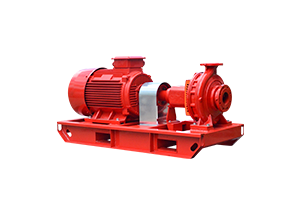
Electric fire pumps in standby mode rely on a stable and continuous electrical power supply. The controller keeps the motor de-energized but ready to start instantly. Voltage, phase condition, and control circuit integrity are continuously monitored.
One important feature during standby mode is alarm supervision. If the power supply fails or drops below acceptable limits, the system generates alarms, alerting operators that the fire pump may not function properly during an emergency.
Electric fire pumps are widely used in facilities with reliable electrical infrastructure and are especially common in commercial and industrial buildings.
Standby Mode for Diesel Engine Fire Pumps
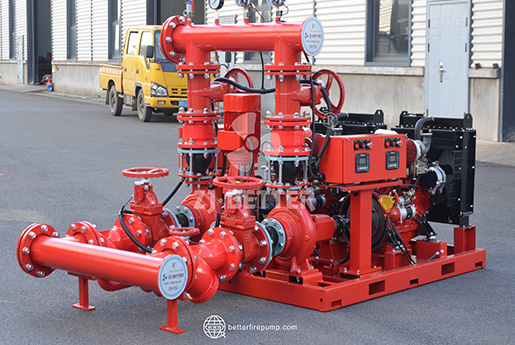
Diesel engine fire pumps have a different standby configuration. Instead of relying on grid power, they depend on batteries, fuel supply, and engine readiness.
In standby mode, battery chargers keep starting batteries fully charged, and engine block heaters maintain the engine at a suitable temperature for rapid starting. Fuel levels and critical engine parameters are monitored to ensure readiness.
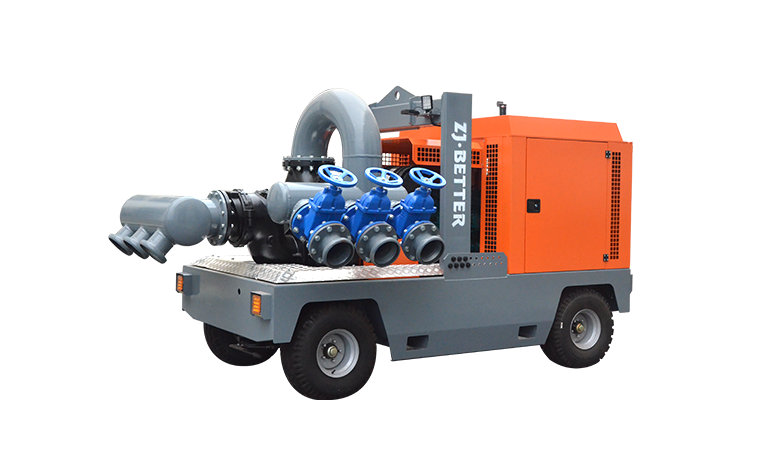
Diesel fire pumps are often selected where electrical reliability is a concern or where codes require an independent power source. Their standby mode is designed to ensure the engine starts reliably even after long periods of inactivity.
The Role of Standby Mode in NFPA 20 Compliance
Fire pump standby mode is directly tied to compliance with NFPA 20, the standard for the installation of stationary fire pumps for fire protection.
NFPA 20 requires fire pumps to be arranged for automatic operation. This requirement assumes that the pump will normally remain in standby mode and start automatically upon demand. The standard also specifies requirements for controllers, power supplies, alarms, and supervision that apply specifically during standby conditions.
Failure to maintain proper standby mode—such as disabled controllers, disconnected pressure lines, or uncharged batteries—can result in non-compliance and significantly reduce system reliability.
Standby Mode vs Running Mode
Understanding the difference between standby mode and running mode is essential for system operators and facility managers.
In standby mode, the fire pump is inactive but fully prepared. No water is flowing, and no mechanical load is applied to the pump or driver. Monitoring and supervision are continuous.
In running mode, the fire pump is actively supplying water at high pressure and flow. This mode occurs only during fire events, testing, or maintenance operations.
The transition from standby to running mode must be seamless. Any delay, failure, or hesitation during this transition can compromise fire protection performance.
Common Issues That Affect Fire Pump Standby Mode
Several issues can prevent a fire pump from functioning correctly while in standby mode.
Loss of power supply is one of the most common problems for electric fire pumps. Without proper supervision, this condition may go unnoticed until an emergency occurs.
For diesel fire pumps, battery failure is a frequent issue. Batteries may degrade over time if not properly maintained, even though the pump appears to be in standby.
Blocked or leaking pressure sensing lines can also cause false signals, preventing the pump from starting when required or causing unnecessary starts.
Regular inspection and testing are essential to identify these issues before they affect system performance.
Importance of Weekly and Monthly Testing
Standby mode does not mean neglect. Fire pumps must be tested regularly to confirm that standby conditions translate into reliable operation.
Weekly no-flow tests typically involve starting the pump from standby mode to confirm automatic starting and proper controller operation. Monthly or annual tests may include flow testing under load.
These tests validate that the pump can transition from standby to running mode without issues, ensuring readiness for real emergencies.
Why Standby Mode Matters for Fire Safety
Standby mode is not just a technical state; it is a critical safety condition. A fire pump that is not correctly maintained in standby mode may fail to start when lives and property depend on it.
Proper standby mode ensures immediate response, code compliance, equipment longevity, and overall system reliability. For building owners, operators, and fire protection professionals, understanding standby mode is essential to maintaining a dependable fire safety system.
From a manufacturer’s perspective, designing fire pumps and controllers that maintain stable and reliable standby operation is one of the most important responsibilities in fire protection engineering.
Final Thoughts
Fire pump standby mode is the silent guardian of fire protection systems. While it may appear inactive, it is a highly controlled and carefully monitored state that ensures fire pumps are always ready to perform when needed.
Understanding how standby mode works, what components are involved, and how it aligns with fire protection standards allows engineers, contractors, and facility managers to make better decisions and maintain safer buildings.