
.png)
.png)
.png)
What Is Fire Pump Acceptance Criteria?
Jul 06, 2026
Share:
A fire pump is one of the most important components of a fire protection system. When a building experiences a fire emergency, the fire pump provides the pressure and flow needed to supply sprinkler systems, standpipes, hydrants, and other firefighting equipment. However, simply installing a fire pump does not guarantee reliable performance. Before a fire pump system is placed into service, it must successfully pass an acceptance test.
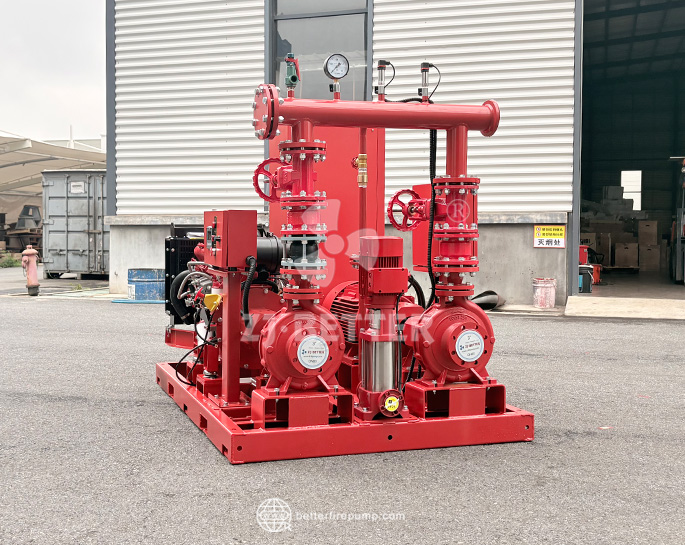
Fire pump acceptance criteria refer to the set of performance requirements and inspection standards used to verify that a newly installed fire pump system operates exactly as designed. These criteria ensure that every component—from the pump and driver to the controller, valves, and piping—works together safely and efficiently under real operating conditions.
Whether you are a building owner, contractor, consulting engineer, or fire protection professional, understanding fire pump acceptance criteria is essential for ensuring system reliability, regulatory compliance, and long-term operational safety.
What Is Fire Pump Acceptance Testing?
Fire pump acceptance testing is the final verification process performed after installation and before the system is officially commissioned. During the test, inspectors evaluate the complete fire pump installation to confirm that it meets project specifications, manufacturer recommendations, and applicable fire protection standards.
Unlike routine maintenance inspections, acceptance testing focuses on confirming that the newly installed system performs according to its rated capacity. The test verifies that the fire pump delivers the required flow rate and pressure while operating safely under different load conditions.
Acceptance testing also identifies installation problems before the building becomes occupied, reducing the risk of costly failures during an emergency.
Why Are Fire Pump Acceptance Criteria Important?
Acceptance criteria exist to ensure that the fire pump will perform when lives and property depend on it.
A properly executed acceptance test provides confidence that:
- The pump delivers its rated flow and pressure.
- The driver operates reliably under full load.
- The controller starts the pump automatically.
- Pressure sensing devices function correctly.
- Suction and discharge piping are properly installed.
- Relief valves and pressure relief systems operate correctly.
- Electrical and mechanical components work together safely.
- The complete fire protection system is ready for emergency operation.
Without proper acceptance testing, hidden installation issues may remain undetected until a fire occurs.
Main Components Evaluated During Acceptance Testing
A comprehensive fire pump acceptance inspection covers much more than the pump itself.
Fire Pump
Inspectors verify:
- Pump model
- Rated capacity
- Rated pressure
- Rotation direction
- Mechanical condition
- Alignment
- Lubrication
- Leakage
The pump should match the approved design documents and manufacturer specifications.
Driver
Depending on the installation, the driver may be:
- Electric motor
- Diesel engine
The driver must reach rated speed and maintain stable operation throughout testing.
For diesel engines, inspectors typically examine:
- Fuel system
- Cooling system
- Batteries
- Exhaust system
- Engine alarms
- Automatic starting capability
Controller
The controller is responsible for automatically starting the fire pump when system pressure drops.
Acceptance testing verifies:
- Automatic start
- Manual start
- Emergency start
- Alarm operation
- Power supply
- Status indicators
- Pressure switch calibration
Every function should operate without delay or malfunction.
Piping System
Inspectors examine:
- Suction piping
- Discharge piping
- Check valves
- Isolation valves
- Pressure gauges
- Flow meter
- Drain connections
Improper piping installation can significantly reduce pump performance.
Fire Pump Performance Acceptance Criteria
Performance testing is the most important portion of the acceptance process.
During testing, technicians measure pump performance at several operating points.
Churn Test
The churn test measures pump pressure with no water flowing.
Inspectors verify:
- Stable operation
- Proper pressure
- No excessive vibration
- No overheating
- Acceptable noise level
Although no flow occurs, this test confirms basic pump operation.
Rated Flow Test
The pump is then operated at its rated flow capacity.
Acceptance criteria generally require the pump to achieve its designed pressure while delivering its rated water flow.
Measurements include:
- Flow rate
- Discharge pressure
- Suction pressure
- Net pump pressure
- Driver speed
- Voltage or engine performance
Stable readings indicate proper installation.
Maximum Flow Test
The pump is tested at higher flow conditions to evaluate its full performance curve.
Inspectors ensure the pump can operate safely without excessive vibration, cavitation, or unstable pressure.
The test confirms the complete hydraulic performance of the system.
Mechanical Acceptance Requirements
Mechanical inspections are equally important.
Inspectors verify:
Pump Alignment
Misalignment between the pump and driver can cause:
- Bearing failure
- Coupling damage
- Seal leakage
- Excessive vibration
Proper alignment increases equipment life.
Vibration
Excessive vibration often indicates:
- Poor alignment
- Cavitation
- Loose foundations
- Mechanical imbalance
Vibration should remain within acceptable limits throughout testing.
Bearing Temperature
Bearings should operate within the manufacturer's recommended temperature range.
Overheating may indicate:
- Insufficient lubrication
- Excessive loading
- Misalignment
Leakage
Minor packing leakage may be acceptable depending on the pump design, but mechanical seals should not exhibit excessive leakage.
Inspectors also examine:
- Flanges
- Pipe joints
- Valves
- Drain connections
Electrical Acceptance Requirements
For electric motor-driven fire pumps, electrical testing includes:
Voltage Verification
Supply voltage should remain within acceptable limits during startup and operation.
Motor Current
Current draw is measured to verify that the motor is not overloaded.
Unexpected current readings may indicate:
- Mechanical binding
- Incorrect voltage
- Improper wiring
- Pump defects
Automatic Transfer
If an emergency power supply is installed, inspectors verify automatic transfer operation during simulated power failure.
Controller Functions
The controller should:
- Start automatically
- Stop manually where permitted
- Activate alarms
- Record operating conditions
- Display accurate status information
Diesel Fire Pump Acceptance Requirements
Diesel engine-driven fire pumps require additional testing because the engine serves as the primary power source.
Acceptance testing typically includes:
- Cold start capability
- Automatic starting
- Battery charging system
- Fuel supply
- Cooling system
- Lubrication system
- Overspeed protection
- Engine alarms
- Exhaust inspection
The diesel engine must continue operating reliably throughout the performance test.
Pressure Relief Valve Testing
If a pressure relief valve is installed, inspectors verify:
- Correct pressure setting
- Proper opening pressure
- Stable operation
- Safe discharge
An improperly adjusted relief valve can prevent the pump from reaching required system pressure.
Documentation Required During Acceptance
Proper documentation is a critical part of the acceptance process.
Typical records include:
- Factory performance curve
- Certified pump test report
- Installation drawings
- Equipment manuals
- Calibration certificates
- Controller settings
- Inspection reports
- Acceptance test results
- Startup records
These documents provide evidence that the installation satisfies project requirements.
Common Reasons a Fire Pump Fails Acceptance
Several issues can prevent a fire pump from passing acceptance testing.
Incorrect Pump Rotation
Reverse rotation significantly reduces pump performance and can damage equipment.
Air in the Suction Line
Air entering the pump can cause:
- Cavitation
- Pressure fluctuations
- Reduced flow
- Pump instability
Improper Pipe Installation
Common piping problems include:
- Undersized suction pipe
- Excessive elbows near the pump
- Poor pipe support
- Improper valve installation
These issues reduce hydraulic efficiency.
Controller Programming Errors
Incorrect pressure settings or controller configuration may prevent automatic pump operation.
Insufficient Water Supply
Even a properly installed pump cannot meet performance requirements without adequate water supply.
Inspectors verify that the available water source supports the required demand.
Best Practices for Successful Fire Pump Acceptance
Project teams can improve acceptance success by following several best practices.
Select High-Quality Equipment
Reliable fire pumps manufactured to recognized quality standards provide more consistent performance during testing.
Follow Manufacturer Installation Instructions
Improper installation is one of the most common causes of failed acceptance tests.
Always follow manufacturer recommendations for:
- Foundation installation
- Pipe alignment
- Coupling adjustment
- Electrical connections
- Engine setup
Perform Pre-Startup Inspection
Before official testing, verify:
- Valve positions
- Lubrication
- Fastener torque
- Electrical wiring
- Controller settings
- Fuel level
- Battery condition
Correcting small issues beforehand prevents unnecessary delays.
Conduct Internal Commissioning Tests
Many contractors perform preliminary testing before the official acceptance inspection.
This allows adjustments before regulatory inspectors arrive.
Maintain Complete Documentation
Well-organized documentation speeds the inspection process and demonstrates that the installation has been completed correctly.
Acceptance Testing Is Only the Beginning
Passing the acceptance test does not end a fire pump's lifecycle. Regular inspection, testing, and maintenance are necessary to ensure long-term reliability.
Periodic testing verifies that the pump continues to deliver the required performance throughout its service life. Scheduled maintenance helps identify wear, corrosion, or component degradation before these issues affect emergency operation.
A comprehensive maintenance program should include routine inspections, operational testing, preventive maintenance, and detailed recordkeeping. By combining successful acceptance testing with ongoing maintenance, facility owners can maximize system reliability and extend equipment life.
Conclusion
Fire pump acceptance criteria are designed to confirm that a newly installed fire pump system performs safely, reliably, and according to its intended design before being placed into service. Acceptance testing evaluates every critical aspect of the system, including hydraulic performance, mechanical integrity, electrical operation, controller functionality, and supporting components.
A successful acceptance test provides confidence that the fire pump is capable of supplying the required water flow and pressure during an emergency. It also helps identify installation deficiencies before they become costly or dangerous failures.
For project owners, contractors, and fire protection professionals, understanding fire pump acceptance criteria is an essential step toward ensuring dependable fire protection. Working with an experienced fire pump manufacturer, following proper installation procedures, and carrying out thorough acceptance testing will help ensure that every fire pump system is ready to perform when it matters most.
Next: