
.png)
.png)
.png)
How to Maintain a Portable Pump?
Jun 22, 2026
Share:
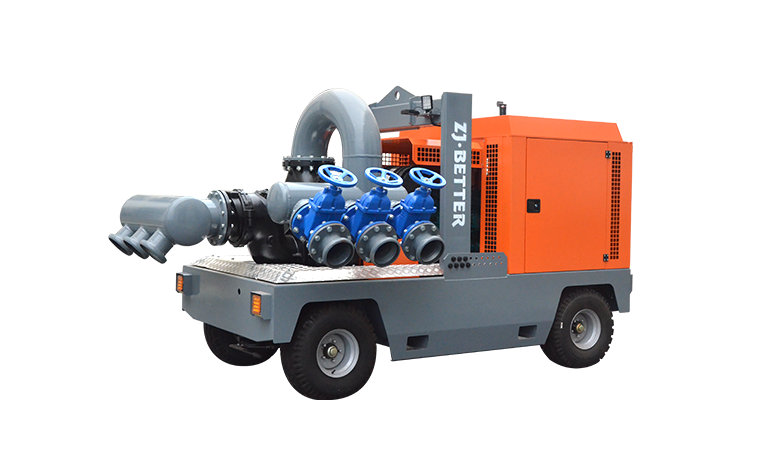
Portable pumps are essential pieces of equipment in firefighting, emergency response, construction, agriculture, flood control, and water transfer applications. Their mobility and versatility make them highly valuable in situations where rapid deployment is required. However, like any mechanical equipment, portable pumps require regular maintenance to ensure reliable performance, maximum efficiency, and long service life.
A poorly maintained portable pump can fail when it is needed most, leading to operational delays, costly repairs, and even safety risks. Whether you use a portable fire pump for emergency firefighting or a portable water pump for industrial applications, establishing a proper maintenance routine is critical.
This guide explains how to maintain a portable pump effectively, covering inspections, cleaning, lubrication, storage, troubleshooting, and preventive maintenance practices.
Why Portable Pump Maintenance Matters
Regular maintenance delivers several important benefits:
- Ensures reliable operation during emergencies
- Extends equipment lifespan
- Reduces unexpected breakdowns
- Improves pumping efficiency
- Lowers repair and replacement costs
- Enhances operator safety
- Maintains compliance with operational standards
For firefighting applications, maintenance becomes even more critical because equipment failure during an emergency can have severe consequences.
Understanding the Main Components of a Portable Pump
Before discussing maintenance procedures, it is helpful to understand the major components of a portable pump.
Engine
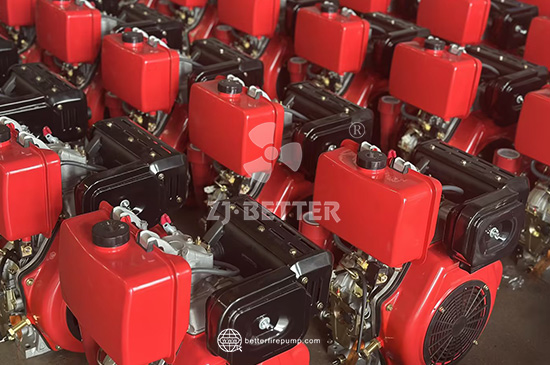
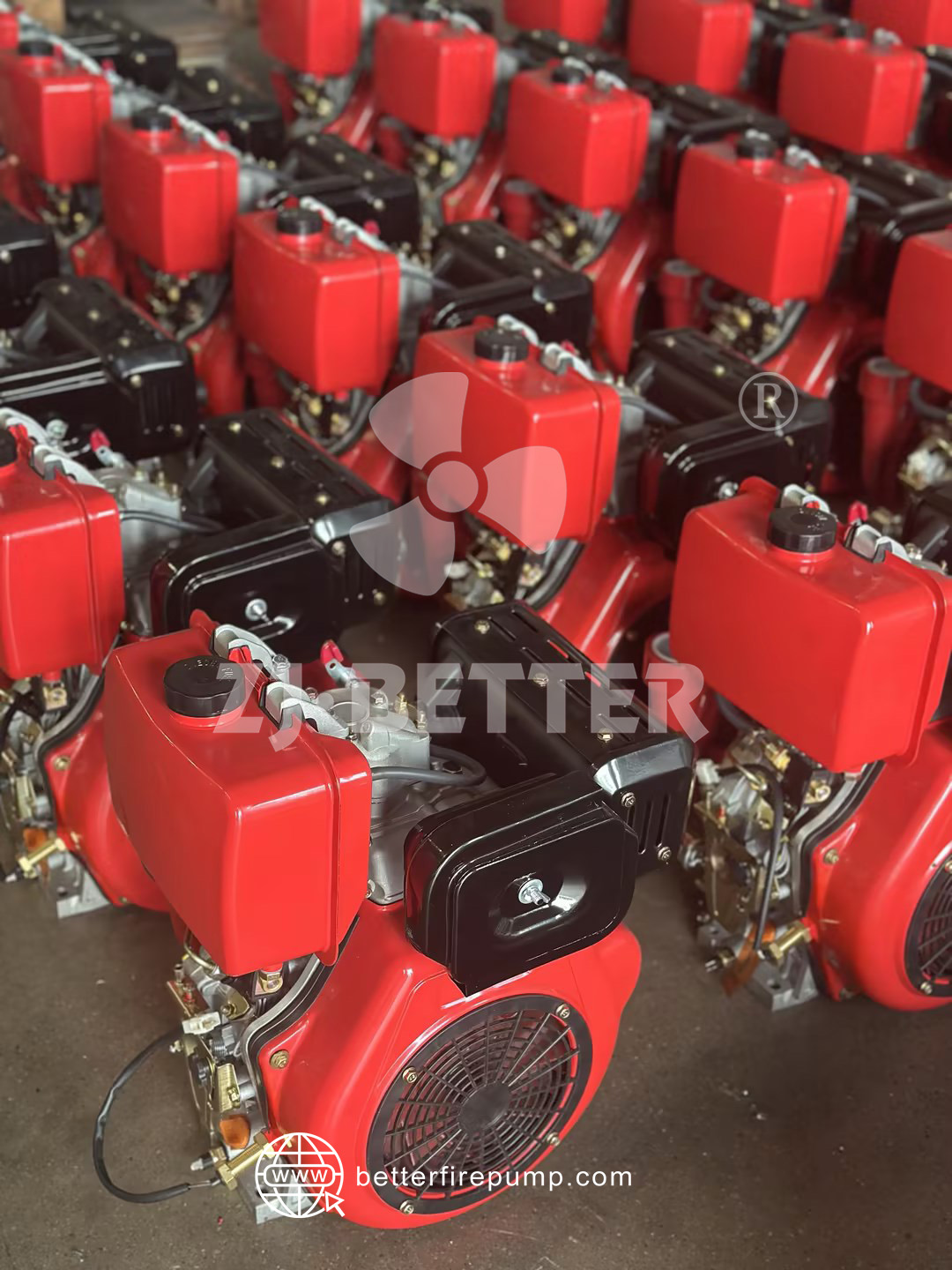
Most portable pumps are powered by gasoline or diesel engines. The engine supplies the mechanical power required to operate the pump.
Pump Assembly
The pump assembly typically includes:
- Impeller
- Volute casing
- Wear rings
- Mechanical seals
- Shaft
Suction System
The suction system includes:
- Suction hose
- Strainer
- Couplings
- Priming components
Discharge System
The discharge system consists of:
- Discharge hoses
- Valves
- Connections
- Pressure gauges
Each component requires regular inspection and maintenance to ensure proper operation.
Perform Daily Pre-Operation Inspections
Before operating a portable pump, perform a thorough visual inspection.
Check Fuel Levels
Verify that adequate fuel is available for the intended operation. Low fuel levels can interrupt pumping activities and may introduce contaminants from the bottom of the fuel tank.
Inspect Engine Oil
Check oil levels using the dipstick. Operating with insufficient oil can cause severe engine damage.
Look for:
- Low oil level
- Dirty oil
- Oil contamination
- Oil leaks
Examine Cooling Systems
For water-cooled engines, inspect coolant levels and hoses.
For air-cooled engines, ensure cooling fins are clean and unobstructed.
Inspect Hoses and Connections
Check all hoses for:
- Cracks
- Abrasion
- Soft spots
- Bulges
- Loose connections
Damaged hoses should be replaced immediately.
Verify Fasteners
Ensure all bolts, nuts, clamps, and mounting hardware are secure.
Engine vibration can loosen fasteners over time.
Clean the Pump After Every Use
Cleaning is one of the simplest yet most effective maintenance practices.
Remove Dirt and Debris
Portable pumps often operate in harsh environments where mud, sand, leaves, and debris can accumulate.
After each use:
- Wash exterior surfaces
- Remove debris from cooling vents
- Clean around the pump casing
- Clear dirt from engine components
Flush the Pump
If the pump has handled dirty water, seawater, or contaminated liquids, flush the system with clean water.
This helps prevent:
- Corrosion
- Sediment buildup
- Internal wear
- Blockages
Clean the Strainer
The suction strainer prevents debris from entering the pump.
Inspect and clean it after every operation to maintain proper water flow.
Monitor Engine Maintenance
Since the engine powers the pump, engine maintenance is crucial.
Change Engine Oil Regularly
Follow the manufacturer's recommended oil change intervals.
Factors affecting oil change frequency include:
- Operating hours
- Environmental conditions
- Load conditions
- Fuel quality
Fresh oil reduces friction and protects internal engine components.
Replace Oil Filters
When changing oil, inspect and replace oil filters as recommended.
A clogged filter restricts lubrication and accelerates wear.
Maintain Air Filters
Dirty air filters reduce engine efficiency and increase fuel consumption.
Inspect air filters frequently and:
- Clean reusable filters
- Replace disposable filters
This is especially important in dusty environments.
Check Spark Plugs
For gasoline-powered portable pumps:
- Inspect spark plugs regularly
- Remove carbon deposits
- Verify proper electrode gap
- Replace worn plugs
Healthy spark plugs contribute to reliable starting and efficient combustion.
Inspect Fuel Systems
Examine:
- Fuel lines
- Fuel tank
- Fuel filter
- Fuel pump
Look for leaks, corrosion, or blockages.
Replace damaged components immediately.
Maintain the Pump Assembly
The pump assembly is directly responsible for water movement.
Inspect the Impeller
The impeller is one of the most critical components.
Check for:
- Wear
- Corrosion
- Cracks
- Erosion
- Debris buildup
A damaged impeller reduces flow rate and pumping efficiency.
Examine Mechanical Seals
Mechanical seals prevent water leakage around the shaft.
Signs of seal problems include:
- Water leakage
- Reduced performance
- Excessive moisture around the shaft
Replace worn seals promptly to avoid larger failures.
Check Pump Bearings
Bearings support rotating components and reduce friction.
Inspect for:
- Noise
- Vibration
- Heat buildup
- Excessive movement
Lubricate or replace bearings according to maintenance schedules.
Monitor Pump Performance
Changes in performance often indicate internal issues.
Watch for:
- Reduced flow rate
- Lower pressure
- Increased vibration
- Unusual noises
- Longer priming times
Investigating these signs early can prevent major repairs.
Lubricate Moving Components
Proper lubrication minimizes friction and wear.
Follow manufacturer recommendations regarding:
- Lubrication points
- Grease types
- Lubrication intervals
Avoid over-lubrication, which can attract dirt and damage seals.
Common components requiring lubrication include:
- Bearings
- Shafts
- Linkages
- Control mechanisms
Inspect and Maintain the Priming System
Many portable pumps rely on a priming system to initiate water flow.
Check Priming Devices
Inspect:
- Vacuum pumps
- Priming chambers
- Check valves
- Priming lines
Ensure components are functioning properly.
Verify Airtight Connections
Air leaks can prevent proper priming.
Inspect all suction-side connections for:
- Loose fittings
- Damaged gaskets
- Worn seals
Repair leaks immediately.
Conduct Regular Operational Testing
Routine testing helps identify problems before emergencies occur.
Perform Start-Up Tests
Run the pump periodically, even when it is not actively being used.
Verify:
- Easy starting
- Stable engine operation
- Proper water flow
- Normal pressure readings
Test Under Load
Occasionally test the pump under realistic operating conditions.
This allows operators to verify:
- Flow performance
- Pressure output
- Engine response
- Overall reliability
Monitor Gauges
Pressure gauges and monitoring instruments provide valuable information about pump condition.
Replace inaccurate or damaged gauges promptly.
Protect Against Corrosion
Corrosion is one of the leading causes of portable pump deterioration.
Dry Equipment Thoroughly
After cleaning:
- Drain all water
- Dry exposed surfaces
- Remove trapped moisture
This reduces corrosion risks.
Use Protective Coatings
Apply appropriate corrosion-resistant coatings to exposed metal surfaces when recommended.
Inspect Metal Components
Pay special attention to:
- Pump casing
- Fasteners
- Couplings
- Hose fittings
- Engine components
Address rust early before it spreads.
Store Portable Pumps Properly
Proper storage significantly extends equipment life.
Choose a Clean Storage Area
Store pumps in:
- Dry environments
- Covered facilities
- Temperature-controlled spaces when possible
Avoid prolonged exposure to moisture.
Protect Against Dust
Use protective covers to prevent dust accumulation.
Dust can clog cooling systems and contaminate moving components.
Prepare for Long-Term Storage
If the pump will not be used for an extended period:
- Drain fuel if recommended
- Stabilize fuel supplies
- Change engine oil
- Clean all components
- Disconnect batteries
- Lubricate moving parts
These steps help prevent deterioration during storage.
Maintain Portable Fire Pumps for Emergency Readiness
Portable fire pumps require additional attention because they may remain idle for long periods before being called into service.
Conduct Scheduled Inspections
Establish monthly and quarterly inspection programs.
Verify:
- Engine condition
- Fuel quality
- Hose integrity
- Priming performance
- Battery status
Maintain Emergency Accessories
Inspect accompanying equipment such as:
- Suction hoses
- Strainers
- Discharge hoses
- Nozzles
- Couplings
The pump is only as reliable as the accessories connected to it.
Keep Maintenance Records
Document:
- Inspection dates
- Repairs performed
- Parts replaced
- Testing results
Accurate records support preventive maintenance planning and regulatory compliance.
Common Portable Pump Problems and Solutions
Pump Will Not Start
Possible causes:
- Empty fuel tank
- Dead battery
- Dirty spark plug
- Fuel blockage
- Low oil shutdown activation
Low Water Flow
Possible causes:
- Clogged strainer
- Damaged impeller
- Air leaks in suction line
- Blocked hoses
Excessive Vibration
Possible causes:
- Loose mounting bolts
- Damaged bearings
- Impeller imbalance
- Misalignment
Pump Fails to Prime
Possible causes:
- Air leaks
- Faulty check valve
- Worn seals
- Blocked suction line
Addressing these issues promptly prevents further damage and downtime.
Create a Preventive Maintenance Schedule
The most effective maintenance strategy is preventive maintenance rather than reactive repair.
A typical schedule may include:
Daily
- Visual inspection
- Fuel check
- Oil check
- Hose inspection
- Cleaning
Weekly
- Operational test
- Air filter inspection
- Fastener inspection
Monthly
- Priming system inspection
- Battery testing
- Lubrication checks
Quarterly
- Performance testing
- Seal inspection
- Corrosion inspection
Annually
- Comprehensive service
- Oil and filter replacement
- Impeller inspection
- Bearing evaluation
- Full operational assessment
A structured maintenance schedule minimizes unexpected failures and ensures the pump remains ready for immediate use.
Conclusion
Maintaining a portable pump is essential for achieving reliable performance, operational safety, and long equipment life. Regular inspections, cleaning, lubrication, engine servicing, pump component checks, and proper storage practices all contribute to dependable operation. Whether used as a portable fire pump for emergency response or a portable water pump for industrial applications, preventive maintenance helps reduce downtime, lower repair costs, and ensure the pump performs when it is needed most.