
.png)
.png)
.png)
How to Maintain a Portable Fire Pump During Emergency Standby?
Jun 22, 2026
Share:
Portable fire pumps play a critical role in emergency response, wildfire suppression, rural firefighting, industrial fire protection, and water transfer operations. Unlike fixed fire pump systems, portable pumps offer mobility and flexibility, allowing firefighters and emergency crews to quickly transport water to locations where hydrants or permanent fire protection systems are unavailable.
However, selecting the right portable pump for firefighting is not as simple as choosing the highest flow rate or the lowest price. Different firefighting scenarios require different pump capacities, pressures, power sources, and operational features. A pump that performs exceptionally well in wildfire suppression may not be suitable for structural firefighting or emergency water supply applications.
This guide explains the most important factors to consider when selecting a portable fire pump and helps buyers make informed decisions that improve firefighting effectiveness and reliability.
Understanding Portable Fire Pumps
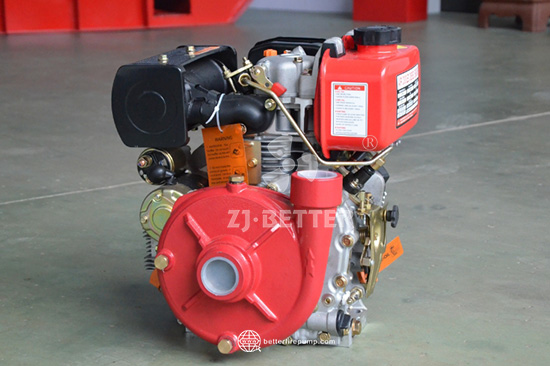
A portable fire pump is a compact, transportable pumping unit designed to move water from a source such as a lake, pond, river, tank, or reservoir to firefighting equipment.
Portable fire pumps are commonly used in:
- Wildland firefighting
- Rural firefighting operations
- Municipal fire departments
- Industrial facilities
- Construction sites
- Mining operations
- Forestry applications
- Emergency flood response
- Water relay systems
Their portability allows firefighters to access remote areas where conventional fire suppression infrastructure is unavailable.
Identify the Intended Application
The first step in selecting a portable firefighting pump is understanding the intended application.
Wildland Firefighting
Wildland and forest firefighting often require lightweight pumps that can be transported over difficult terrain.
Key requirements include:
- Lightweight design
- High portability
- Fuel efficiency
- Reliable operation in remote areas
- Ability to draft water from natural sources
For these applications, compact gasoline-powered pumps are commonly preferred.
Rural Firefighting
Many rural communities lack hydrant networks, making portable pumps essential.
Important considerations include:
- Moderate to high flow rates
- Long-distance water transfer capability
- Easy transportation
- Reliable performance in emergencies
Industrial Fire Protection
Industrial facilities may use portable pumps as backup firefighting equipment.
Requirements often include:
- High pressure performance
- Continuous-duty operation
- Durable construction
- Compatibility with existing firefighting systems
Emergency Water Supply
Portable pumps are frequently used to supplement water supplies during fire emergencies.
These applications often require:
- High flow rates
- Long operational periods
- Reliable suction performance
- Rapid deployment capability
Understanding the application helps narrow down the appropriate pump specifications.
Determine Required Flow Rate
Flow rate is one of the most important criteria when selecting a portable fire pump.
Flow rate refers to the amount of water delivered over a specific period and is typically measured in:
- Gallons per minute (GPM)
- Liters per minute (LPM)
- Cubic meters per hour (m³/h)
Different firefighting scenarios require different flow capacities.
Low Flow Applications
Typical flow range:
- 100–250 GPM
- 380–950 LPM
Suitable for:
- Small brush fires
- Forestry operations
- Initial attack firefighting
Medium Flow Applications
Typical flow range:
- 250–500 GPM
- 950–1,900 LPM
Suitable for:
- Municipal firefighting support
- Rural fire departments
- Water relay operations
High Flow Applications
Typical flow range:
- Above 500 GPM
- Above 1,900 LPM
Suitable for:
- Industrial facilities
- Large-scale fire incidents
- Emergency water transfer
Selecting a pump with inadequate flow can significantly reduce firefighting effectiveness.
Evaluate Required Pressure
Pressure is just as important as flow rate.
Fire pumps must provide enough pressure to overcome:
- Hose friction losses
- Elevation changes
- Nozzle requirements
- System resistance
A pump with high flow but insufficient pressure may fail to deliver water effectively to the fire scene.
High-Pressure Portable Pumps
Advantages include:
- Long hose lays
- Improved nozzle performance
- Better operation on steep terrain
- Enhanced wildfire suppression capability
High-pressure pumps are often preferred for forestry and mountain firefighting applications.
Medium-Pressure Pumps
Suitable for:
- General firefighting
- Water transfer
- Rural fire departments
Pressure requirements should always be evaluated alongside flow requirements.
Consider the Water Source
The available water source greatly affects pump selection.
Common water sources include:
- Rivers
- Lakes
- Ponds
- Reservoirs
- Portable tanks
- Swimming pools
- Water trucks
The pump must be capable of efficiently drafting water from the intended source.
Important factors include:
Suction Lift Capability
Suction lift refers to the vertical distance between the pump and the water source.
Greater suction lift capability allows more flexibility during deployment.
Priming System
Portable pumps may use:
- Manual priming
- Vacuum priming
- Automatic priming
Automatic priming systems reduce setup time and improve emergency response efficiency.
Select the Appropriate Power Source
Portable fire pumps are available with several power options.
Gasoline Engines
Advantages:
- Lightweight
- Easy starting
- Widely available fuel
- Lower initial cost
Suitable for:
- Forestry applications
- Small firefighting teams
- Remote operations
Diesel Engines
Advantages:
- Better fuel efficiency
- Longer service life
- Higher torque output
- Excellent durability
Suitable for:
- Industrial firefighting
- Municipal departments
- Continuous-duty operation
Electric Portable Pumps
Advantages:
- Low maintenance
- Quiet operation
- No exhaust emissions
Limitations include dependence on power availability.
Electric units are generally used for specialized applications rather than frontline firefighting.
Assess Portability Requirements
The word "portable" can mean different things depending on operational needs.
Some pumps weigh less than 30 pounds and can be carried by a single firefighter.
Others may weigh several hundred pounds and require:
- Wheeled carts
- Vehicle mounting
- Trailer systems
Key considerations include:
Weight
Lighter pumps offer easier transportation but may provide lower performance.
Carrying Design
Look for:
- Ergonomic handles
- Compact dimensions
- Balanced weight distribution
Transportation Method
Consider whether the pump will be:
- Hand-carried
- Vehicle-mounted
- Trailer-mounted
- Airlifted
The transportation method should align with operational requirements.
Evaluate Pump Construction Materials
Portable fire pumps operate in demanding environments.
Durability is critical.
Common materials include:
Aluminum
Benefits:
- Lightweight
- Corrosion resistant
- Easy handling
Cast Iron
Benefits:
- High durability
- Excellent wear resistance
Limitations:
- Heavier weight
Stainless Steel
Benefits:
- Superior corrosion resistance
- Long service life
Often used in harsh environments and marine applications.
The material should match the expected operating conditions.
Check Hose and Connection Compatibility
Compatibility with existing firefighting equipment is essential.
Verify:
- Suction hose size
- Discharge hose size
- Thread standards
- Coupling types
Using incompatible connections during an emergency can cause delays and operational problems.
Standardization simplifies deployment and maintenance.
Consider Fuel Capacity and Runtime
Extended firefighting operations often require pumps to run continuously.
Evaluate:
- Fuel tank size
- Fuel consumption rate
- Expected operating duration
A pump with longer runtime reduces refueling interruptions and improves operational efficiency.
For wildfire suppression and remote-area operations, extended runtime is particularly valuable.
Examine Maintenance Requirements
Reliable operation depends on regular maintenance.
When comparing portable pumps, consider:
- Ease of servicing
- Spare parts availability
- Engine maintenance requirements
- Manufacturer support
A pump with readily available parts and straightforward maintenance procedures minimizes downtime.
Routine inspections should include:
- Engine checks
- Impeller inspection
- Seal condition
- Hose connections
- Fuel system maintenance
Review Safety Features
Safety should never be overlooked.
Important features may include:
- Low oil shutdown protection
- Overheat protection
- Spark arrestors
- Protective frames
- Anti-vibration mounts
These features improve reliability while protecting both operators and equipment.
Verify Compliance and Certifications
Depending on the project and region, certain standards may apply.
Potential certifications include:
- NFPA-related requirements
- CE compliance
- ISO quality certifications
- Local firefighting equipment standards
Purchasing from a reputable manufacturer that follows recognized quality standards helps ensure product reliability and performance.
Evaluate Manufacturer Experience and Support
The quality of the manufacturer is often as important as the pump itself.
Consider:
- Industry experience
- Manufacturing capabilities
- Quality control systems
- Technical support
- Spare parts availability
- After-sales service
An experienced fire pump manufacturer can provide guidance on pump selection, installation, operation, and maintenance.
Long-term support becomes especially important for fire departments, industrial facilities, and emergency response organizations.
Common Mistakes to Avoid
When selecting a portable firefighting pump, avoid these common mistakes:
Choosing Based Solely on Price
The cheapest option may not provide the performance or reliability required during emergencies.
Ignoring Pressure Requirements
High flow alone does not guarantee effective firefighting performance.
Overlooking Water Source Conditions
Drafting capability and suction performance must match the available water source.
Underestimating Runtime Needs
Insufficient fuel capacity can interrupt firefighting operations.
Neglecting Maintenance Considerations
Complex maintenance procedures may increase downtime and operating costs.
Conclusion
Selecting the right portable pump for firefighting requires careful evaluation of flow rate, pressure, water source conditions, portability, power source, durability, runtime, and maintenance requirements. The ideal portable fire pump should provide reliable performance under emergency conditions while remaining easy to transport, operate, and maintain.
Next: