
.png)
.png)
.png)
How to Install a Diesel Fire Pump System
Aug 31, 2026
Share:
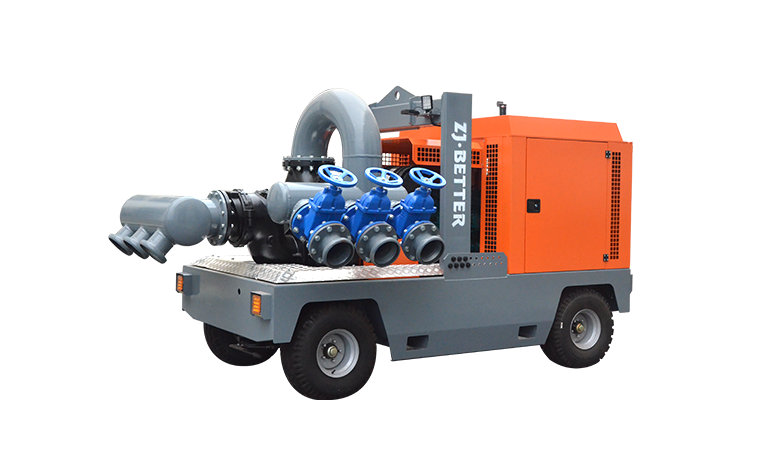
A diesel fire pump system is a critical part of many fire protection systems, providing reliable water pressure and flow when the primary power supply is unavailable or when an independent diesel-driven pump is required. Proper installation is essential to ensure that the pump can start automatically, deliver the required flow and pressure, and operate reliably during a fire emergency.
Installing a diesel fire pump involves much more than positioning the pump and connecting the water pipes. The complete system may include a diesel engine, fire pump, controller, fuel tank, batteries, exhaust system, cooling system, suction and discharge piping, valves, pressure-sensing equipment, and associated accessories.
This guide explains the major considerations involved in diesel fire pump system installation and provides a practical framework for contractors, engineers, installers, and fire protection professionals.
.jpg)
1. Understand the Diesel Fire Pump System Before Installation
Before beginning installation, it is important to understand the configuration and operating principle of the system.
A typical diesel fire pump package consists of:
- Diesel engine
- Fire pump
- Diesel engine controller
- Batteries and battery charger
- Fuel tank
- Suction piping
- Discharge piping
- Main isolation valves
- Check valve
- Pressure-sensing line
- Exhaust system
- Cooling system
- Ventilation system
- Instrumentation and monitoring devices
In many fire protection applications, the diesel fire pump operates together with an electric fire pump and jockey pump. The jockey pump maintains system pressure under normal conditions, while the main fire pumps start when there is a significant pressure drop or when the fire protection system demands water.
Before installation, confirm the pump model, rated flow, rated pressure, engine power, rotation, voltage requirements for accessories, controller configuration, fuel requirements, and applicable certification.
For projects requiring certified equipment, the pump package should be selected according to the project specifications and applicable standards. Where NFPA 20 applies, installation should follow the applicable requirements of the current edition of the standard and the requirements of the authority having jurisdiction.
2. Prepare the Diesel Fire Pump Room
The fire pump room should be prepared before the equipment arrives.
The room needs sufficient space for installation, operation, inspection, maintenance, and eventual replacement of major components. The foundation should be strong enough to support the complete pump and engine assembly.
Important considerations include:
- Adequate floor space around the pump package
- A level and structurally sound foundation
- Suitable access for equipment transportation
- Adequate ventilation
- Proper engine exhaust arrangements
- Suitable drainage
- Appropriate ambient temperature
- Adequate lighting
- Protection from flooding and other environmental hazards
Diesel engines generate considerable heat during operation. Therefore, ventilation is particularly important. The room must provide enough air for combustion while also removing heat from the engine room.
The installation design should also consider how maintenance personnel will access the engine, controller, batteries, fuel system, and pump components.
3. Install the Pump and Engine Assembly
Once the foundation is ready, position the diesel fire pump assembly according to the manufacturer's installation instructions.
The pump and diesel engine must be properly aligned. Misalignment can result in excessive vibration, coupling problems, bearing wear, and premature equipment failure.
If the pump package is supplied on a common base, the base should be installed securely on the foundation. Anchor bolts should be properly installed, and the assembly should be checked for level and alignment.
Do not use the connected piping to force the pump into position. Piping should be independently supported so that excessive loads are not transferred to the pump casing.
After installation, check:
- Pump and engine alignment
- Baseplate condition
- Foundation stability
- Coupling condition
- Shaft rotation
- Fastener tightness
- Accessibility for maintenance
Following the manufacturer's installation instructions is particularly important because different pump and engine configurations may require different alignment and connection procedures.
4. Install the Suction Piping
The suction side of a diesel fire pump requires careful attention because poor suction conditions can significantly affect pump performance.
The suction pipe should be correctly sized and arranged to provide adequate water supply to the pump. Avoid unnecessary restrictions, sharp changes in direction, or configurations that can create turbulence near the pump suction.
The suction piping should be independently supported and properly aligned with the pump suction flange.
Typical suction-side components may include:
- Suction pipe
- Suction isolation valve
- Eccentric reducer where required
- Pressure gauge
- Other components specified by the design
Valves should be installed in the correct orientation and remain accessible for inspection and operation.
One of the most important principles is to avoid creating conditions that allow air to enter the suction piping. Air pockets can negatively affect pump operation and may cause unstable performance.
The final suction arrangement should be checked against the approved hydraulic design and applicable fire protection requirements.
5. Install the Discharge Piping
The discharge side connects the fire pump to the fire protection system.
A typical discharge arrangement includes a check valve and an indicating isolation valve, together with pressure measurement and other required components.
The discharge piping must be adequately supported. The pump should not be used as structural support for the piping system.
Before final connection, verify that:
- Pipe sizes match the approved design
- Flanges are properly aligned
- Valves are installed correctly
- Check valve direction is correct
- Pipe supports are secure
- Pressure gauges are correctly positioned
- All required fittings and accessories are installed
Incorrect discharge piping can increase pressure losses and affect the hydraulic performance of the fire pump system.
6. Connect the Diesel Engine Fuel System
Fuel supply is essential for a diesel fire pump because the engine must remain capable of operating during an emergency.
The fuel tank should be installed in the approved location and connected to the diesel engine according to the manufacturer's requirements and applicable regulations.
The installation should consider:
- Fuel tank capacity
- Fuel pipe sizing
- Fuel supply and return arrangement
- Fuel shutoff arrangements
- Tank accessibility
- Fuel contamination prevention
- Leakage protection
- Venting requirements
The fuel system should be kept clean during installation. Dirt, water, or other contaminants entering the fuel system can cause engine starting problems or damage fuel-system components.
After installation, inspect all fuel connections for leakage and confirm that the engine receives the required fuel supply.
7. Install the Exhaust System
A diesel engine produces hot exhaust gases that must be safely discharged from the fire pump room.
The exhaust system generally includes an exhaust pipe, muffler or silencer, flexible connection, supports, and an appropriate termination point.
The exhaust system should be designed and installed to minimize excessive back pressure on the diesel engine.
Important considerations include:
- Correct exhaust pipe sizing
- Proper support
- Thermal insulation where required
- Safe routing
- Adequate ventilation
- Protection of nearby equipment and personnel
- Proper exhaust termination
The exhaust pipe can become extremely hot during operation. Suitable precautions should therefore be taken to prevent accidental contact and excessive heat accumulation inside the pump room.
8. Connect the Cooling and Ventilation Systems
Diesel engines require adequate cooling during operation.
Depending on the engine and pump configuration, cooling may involve a heat exchanger, radiator, cooling water connection, or another approved arrangement.
The cooling system should be installed according to the engine manufacturer's specifications.
Ventilation is equally important. The pump room needs sufficient airflow for both engine combustion and heat removal.
Insufficient ventilation can cause excessive room temperature, reduced engine performance, overheating, and unreliable operation.
For this reason, ventilation should be considered during the building and fire pump room design stage rather than treated as an afterthought during equipment installation.
9. Install the Diesel Fire Pump Controller
The diesel fire pump controller is responsible for monitoring and controlling the engine's operation.
The controller should be installed in an accessible location and connected according to the manufacturer's wiring diagram.
Typical connections may include:
- Battery connections
- Battery charger
- Engine starting circuit
- Pressure sensing
- Engine monitoring
- Alarm signals
- Remote monitoring interfaces where required
The controller should be protected from excessive moisture, physical damage, and unsuitable environmental conditions.
Battery cables should be correctly sized and securely connected. Battery polarity must be verified before energizing the controller.
The automatic starting function should also be tested after all electrical and pressure-sensing connections have been completed.
10. Install and Check the Pressure-Sensing Line
The pressure-sensing line allows the controller to detect a decrease in fire protection system pressure.
When system pressure drops below the appropriate starting condition, the diesel fire pump controller should initiate the required starting sequence.
The sensing arrangement must be installed according to the approved system design and applicable requirements.
Check the sensing line for:
- Correct connection
- Proper pipe size
- Leakage
- Isolation arrangements
- Correct pressure settings
- Reliable connection to the controller
Pressure settings should not be selected arbitrarily. They should be coordinated with the system design, jockey pump settings, and main fire pump starting sequence.
11. Inspect the Complete Installation Before Starting
The diesel fire pump should not simply be started immediately after installation.
A systematic inspection should be completed first.
Check the following:
Mechanical installation
- Pump securely installed
- Engine securely installed
- Coupling properly aligned
- Piping independently supported
- Valves installed correctly
- Gauges installed
- Connections tightened
Fuel system
- Fuel tank properly installed
- Fuel level adequate
- Fuel piping connected
- No visible leakage
Electrical system
- Controller installed
- Batteries connected
- Charger operating
- Wiring completed
- Pressure-sensing line connected
Engine system
- Lubricating oil level checked
- Cooling system checked
- Exhaust system connected
- Engine air supply adequate
Pump system
- Suction supply available
- Discharge piping complete
- Valves in the correct operating position
- Pump casing properly prepared according to the manufacturer's instructions
This inspection helps identify installation problems before the equipment is placed into service.
12. Test the Diesel Fire Pump System
Testing is one of the most important stages of installation.
The system should be tested to confirm that the diesel engine starts correctly and that the pump achieves the required hydraulic performance.
Testing may include:
- Manual engine start
- Automatic engine start
- Battery and charger testing
- Pressure start testing
- Pump flow testing
- Shutoff pressure verification
- Rated flow testing
- Higher-flow performance testing where required
- Alarm and monitoring verification
- Engine operating parameter checks
During performance testing, flow and pressure readings should be recorded and compared with the approved pump performance curve and project requirements.
The diesel engine should also be monitored for abnormal vibration, overheating, oil pressure problems, exhaust issues, fuel leakage, or other unusual operating conditions.
Testing should be conducted using appropriate calibrated instruments and according to the applicable project standards and commissioning requirements.
13. Commission the System
After successful testing, the diesel fire pump system can be commissioned.
Commissioning should confirm that the complete system operates as intended, not simply that the pump can run.
The commissioning process should verify:
- Automatic start operation
- Manual start operation
- Correct system pressure response
- Pump flow and pressure performance
- Diesel engine operation
- Fuel supply
- Battery and charger operation
- Controller alarms
- Valve positions
- System readiness for emergency operation
All test results should be documented and retained as part of the fire protection system records.
14. Common Diesel Fire Pump Installation Mistakes
Several installation mistakes can reduce the reliability of a diesel fire pump system.
Incorrect pump alignment
Poor alignment can cause vibration, coupling wear, and mechanical damage.
Unsupported piping
Heavy or improperly supported pipes can place excessive loads on pump connections.
Inadequate ventilation
Insufficient airflow can cause diesel engine overheating and poor combustion.
Improper exhaust installation
Excessive exhaust back pressure or poor routing can affect engine performance and create safety hazards.
Contaminated fuel
Dirty or contaminated diesel fuel can cause engine starting and operating problems.
Incorrect controller settings
Incorrect pressure or starting settings can result in delayed or unnecessary pump operation.
Incomplete commissioning
A pump that starts successfully during a basic test is not necessarily a fully commissioned fire protection system. Hydraulic performance, automatic starting, alarms, engine operation, and other functions should all be verified.
15. Choose the Right Diesel Fire Pump Manufacturer
The reliability of a fire pump system starts with proper engineering and continues through manufacturing, installation, testing, and maintenance.
For contractors and fire protection system designers, selecting a qualified fire pump manufacturer is an important part of the project.
A suitable manufacturer should be able to provide:
- Appropriate fire pump models
- Diesel engine pump packages
- Fire pump controllers
- Complete system accessories
- Factory performance testing
- Certification documentation where applicable
- Technical installation information
- Commissioning support
- After-sales technical service
At BETTER Technology Group, our product portfolio covers fire pumps, diesel engine fire pump systems, electric fire pumps, jockey pumps, controllers, and related fire protection equipment. Our manufacturing and testing capabilities are designed to support reliable fire pump solutions for different fire protection applications.
.jpg)
Conclusion
Installing a diesel fire pump system requires careful coordination between mechanical installation, piping, fuel supply, exhaust, ventilation, electrical connections, controls, testing, and commissioning.
The most important principle is to treat the diesel fire pump as part of a complete fire protection system rather than as an individual piece of equipment. Correct installation ensures that the pump can start when required, receive adequate fuel and cooling, deliver the designed flow and pressure, and remain ready for emergency operation.
For every project, installation should follow the approved design, the fire pump manufacturer's instructions, applicable standards such as NFPA 20 where required, and the requirements of the local authority having jurisdiction. Proper installation and commissioning provide the foundation for reliable fire protection performance when it matters most.
Next: