
.png)
.png)
.png)
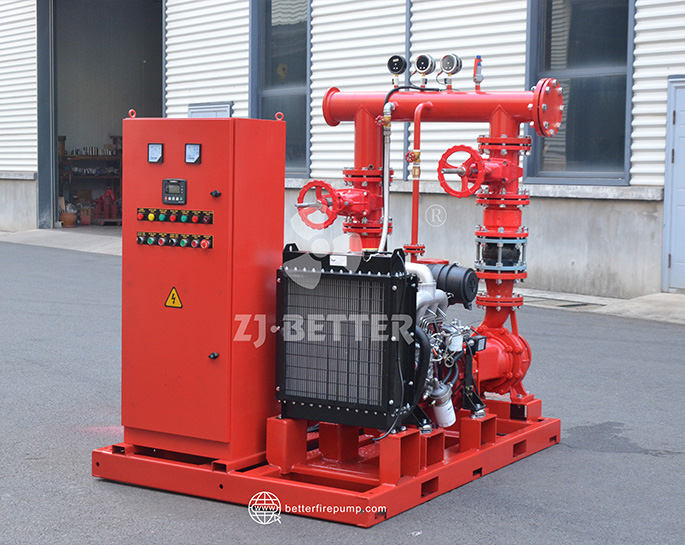
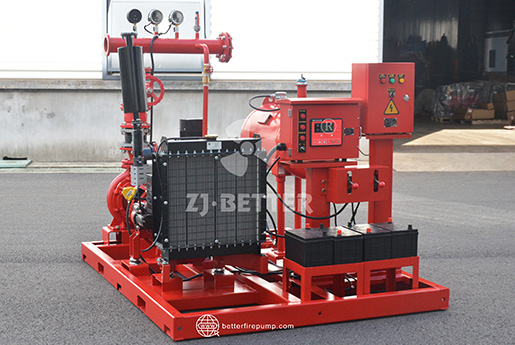
Diesel fire pumps are critical components of fire protection systems, especially in facilities where electrical reliability may be compromised during emergencies. However, cold weather introduces specific operational risks that can significantly reduce diesel fire pump reliability if not properly managed. Fuel gelling, battery failure, coolant freezing, and poor lubrication are common winter-related challenges that can prevent a diesel engine fire pump from starting when it is needed most.
For contractors, facility managers, and fire protection engineers, improving diesel fire pump reliability in cold weather is not simply about routine maintenance—it requires a structured winterization strategy aligned with industry standards such as National Fire Protection Association and Underwriters Laboratories requirements.
This article explains practical and technical measures to ensure your diesel fire pump operates reliably during winter conditions.
1. Maintain Proper Fire Pump Room Temperature
One of the most overlooked factors affecting diesel fire pump reliability in cold weather is ambient temperature.
According to NFPA 20, diesel engine fire pumps must be installed in an environment that maintains a minimum temperature typically not less than 40°F (4°C), unless the engine manufacturer specifies otherwise.
Low room temperatures can cause:
-
Thickened lubricating oil
-
Reduced battery output
-
Increased engine starting resistance
-
Fuel waxing or gelling
Best practices include:
-
Installing dedicated heating systems in the pump room
-
Using thermostatically controlled heaters
-
Monitoring temperature with automatic alarm systems
-
Avoiding temporary portable heaters that create uneven heating
Consistent temperature control dramatically improves cold start performance and long-term diesel fire pump reliability.
2. Use Jacket Water Heaters Correctly
A jacket water heater is essential for maintaining optimal engine block temperature during cold weather. It keeps coolant warm so that the engine can reach proper operating conditions quickly when started.
Without a functioning jacket water heater, cold starts become difficult and may lead to:
-
Increased engine wear
-
Hard starting or failure to start
-
Reduced combustion efficiency
-
Excessive white smoke
To improve reliability:
-
Ensure the heater is properly sized for the engine
-
Verify continuous power supply to the heater
-
Inspect heater elements regularly
-
Confirm coolant circulation is not restricted
-
Test temperature readings during weekly inspections
A well-maintained jacket water heater can significantly reduce the mechanical stress associated with winter starts.
3. Prevent Diesel Fuel Gelling
Diesel fuel naturally contains paraffin wax. In cold temperatures, wax crystals form and thicken the fuel, eventually causing fuel filter blockage and fuel line restriction. This phenomenon, known as fuel gelling, is a major cause of diesel fire pump failure in cold climates.
To prevent fuel-related issues:
-
Use winter-grade diesel fuel
-
Add approved anti-gel additives
-
Keep fuel tanks at least 2/3 full to reduce condensation
-
Install fuel tank heaters in extreme climates
-
Regularly inspect and replace fuel filters
Fuel quality management is essential to diesel fire pump reliability in cold weather. Even a perfectly maintained engine cannot operate if fuel flow is restricted.
4. Strengthen Battery Maintenance Procedures
Battery failure is one of the most common causes of diesel fire pump starting failure during winter.
Cold weather reduces battery capacity and cranking power. At 0°F (-18°C), a battery may lose up to 50% of its available power.
To improve reliability:
-
Perform weekly voltage checks
-
Conduct load testing before winter season
-
Keep terminals clean and corrosion-free
-
Verify automatic battery chargers are functioning
-
Replace aging batteries proactively
-
Ensure batteries are UL listed for fire pump applications
Diesel fire pumps typically use dual battery systems for redundancy. Both batteries must be fully functional to ensure compliance and operational reliability.
5. Use Proper Engine Oil for Winter Conditions
Engine oil viscosity directly affects starting performance. In cold weather, oil thickens and increases resistance inside the engine.
Using incorrect oil viscosity can result in:
-
Slow cranking
-
Excessive starter motor load
-
Increased engine wear
-
Delayed oil pressure build-up
Follow the engine manufacturer’s winter oil recommendations. Multi-grade oils such as 10W-30 or 5W-40 are often suitable for colder environments, but always verify manufacturer guidance.
Routine oil analysis and scheduled oil changes are especially important before winter begins.
6. Protect Coolant System Against Freezing
The coolant system plays a critical role in diesel fire pump reliability. If coolant freezes, it can cause severe engine damage, including cracked engine blocks or damaged heat exchangers.
To prevent freezing:
-
Maintain correct antifreeze concentration
-
Test coolant freeze protection level before winter
-
Inspect hoses and clamps for leaks
-
Replace degraded coolant
-
Ensure coolant circulation is unobstructed
Antifreeze concentration should match the lowest expected ambient temperature. Regular coolant testing is far more reliable than visual inspection.
7. Inspect Air Intake and Exhaust Systems
Cold weather may introduce snow, ice, or condensation into air intake and exhaust components.
Blocked or restricted airflow can cause:
-
Poor combustion
-
Engine performance reduction
-
Increased emissions
-
Hard starting
Ensure:
-
Intake louvers are protected from snow accumulation
-
Exhaust outlets are insulated if required
-
Drainage systems prevent water accumulation
-
Intake filters are clean and dry
Maintaining unrestricted airflow is essential for efficient cold-weather operation.
8. Perform Weekly Automatic Start Tests
Routine testing becomes even more important in winter months.
Weekly automatic start testing should verify:
-
Engine start time
-
Battery performance
-
Oil pressure development
-
Coolant temperature stability
-
Abnormal vibration or noise
Cold weather may reveal weaknesses not apparent during warmer seasons. Identifying issues early prevents emergency failures.
Documenting all tests is also critical for regulatory compliance and insurance requirements.
9. Ensure Proper Fuel Tank Venting and Condensation Control
Temperature fluctuations in winter cause condensation inside fuel tanks. Water contamination in diesel fuel can lead to:
-
Microbial growth
-
Corrosion
-
Injector damage
-
Reduced combustion efficiency
To reduce water contamination:
-
Keep tanks adequately filled
-
Drain water separators regularly
-
Use desiccant breathers where applicable
-
Conduct fuel polishing if contamination is detected
Fuel system integrity directly affects diesel fire pump reliability in cold weather.
10. Develop a Winterization Checklist Program
Reliability improves significantly when winter preparation is proactive rather than reactive.
An effective winterization program should include:
-
Pre-winter full inspection
-
Fuel quality verification
-
Battery load testing
-
Heater function verification
-
Coolant freeze point testing
-
Documentation review
-
Staff training on cold-start procedures
Establishing a formal checklist ensures no critical item is overlooked.
11. Consider UL Listed and NFPA-Compliant Equipment
Using properly certified equipment contributes to long-term reliability. Diesel fire pumps designed in accordance with NFPA 20 and listed by Underwriters Laboratories are engineered to meet rigorous performance standards.
Certified systems typically include:
-
Redundant starting systems
-
Approved controllers
-
Engine monitoring systems
-
Compliance-tested fuel supply configurations
Choosing compliant equipment from the beginning reduces operational risk in extreme conditions.
12. Monitor Controller and Electrical Components
While diesel fire pumps are independent of external power for operation, controllers still rely on electrical systems for monitoring and starting functions.
Cold temperatures can impact:
-
Control panel displays
-
Sensor accuracy
-
Relay functionality
-
Alarm systems
Ensure:
-
Control panels are installed in temperature-controlled rooms
-
Heater elements inside controllers function properly
-
Alarm signals are tested during winter inspections
Controller reliability is directly tied to overall diesel fire pump reliability.
13. Plan for Extreme Cold Regions
In regions where temperatures fall far below freezing for extended periods, additional measures may be necessary:
-
Insulated pump rooms
-
Backup heating systems
-
Fuel recirculation systems
-
Remote monitoring
-
Heated enclosures for outdoor installations
Design considerations during project planning stage significantly improve winter performance.
Conclusion
Improving diesel fire pump reliability in cold weather requires a systematic approach that combines environmental control, fuel management, battery maintenance, coolant protection, and compliance with industry standards.
A single issue rarely causes cold weather failures. Instead, they result from multiple small weaknesses that accumulate over time. By implementing structured winter maintenance procedures and following guidelines from organizations such as National Fire Protection Association, facility operators can dramatically reduce the risk of emergency failure.
For manufacturers, contractors, and facility owners, winter reliability is not optional. A diesel fire pump must start immediately during a fire emergency—regardless of outside temperature.