
.png)
.png)
.png)
How to Commission a Fire Pump System: A Guide
Sep 18, 2026
Share:
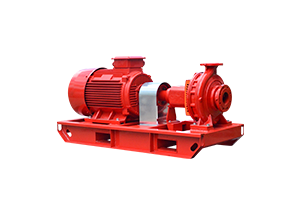
A fire pump system is one of the most important components of an active fire protection system. A correctly selected and installed fire pump can provide the required water flow and pressure, but reliable performance depends on proper commissioning.
Fire pump system commissioning verifies that the pump, driver, controller, piping, valves, water supply, and related equipment have been installed correctly and operate together as intended. It also provides an opportunity to identify installation problems before the system is placed into service.
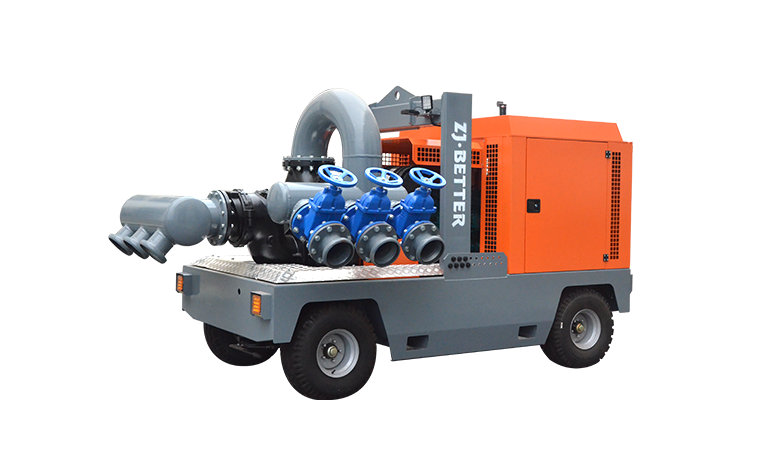
Whether the system uses an electric fire pump, diesel fire pump, jockey pump, or a complete fire pump set, commissioning should be systematic, documented, and performed by qualified personnel.
.jpg)
What Is Fire Pump System Commissioning?
Fire pump commissioning is the process of inspecting, starting, testing, and verifying a newly installed fire pump system before it is formally placed into operation.
Commissioning normally covers more than the pump itself. A complete fire pump system may include:
- Main electric fire pump
- Diesel engine fire pump
- Jockey pump
- Fire pump controllers
- Suction and discharge piping
- Isolation and check valves
- Pressure gauges
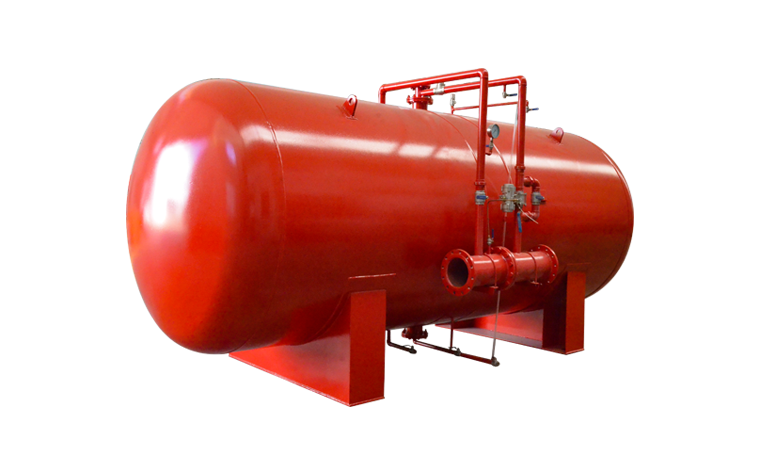
- Water supply and storage
- Test header or flow test equipment
- Diesel fuel system
- Ventilation and exhaust system
- Electrical power supply
- Alarm and monitoring connections
The objective is to confirm that the entire system can deliver the required flow and pressure when the fire protection system demands water.
1. Review the Approved Design and Documentation
Before starting physical commissioning, review the approved project documents.
The commissioning team should confirm the required fire pump duty point, including rated flow and pressure. These values should be compared with the pump nameplate, approved drawings, equipment data sheets, and project specifications.
Important documents to review include:
- Approved fire protection drawings
- Fire pump data sheet
- Pump and motor or engine documentation
- Controller documentation
- Installation drawings
- Piping diagrams
- Electrical drawings
- Equipment certificates and test records
- Factory test documentation
- Operation and maintenance manuals
- Inspection and testing requirements
This step is particularly important for systems involving UL listed or otherwise certified equipment. The installed equipment should correspond to the approved configuration.
2. Inspect the Fire Pump Installation
The next step is a detailed physical inspection.
Check that the fire pump has been installed in the correct location and that sufficient clearance is available for operation, inspection, maintenance, and future repairs.
The pump should be securely mounted, and the foundation, baseplate, coupling, and alignment should be inspected.
For horizontal fire pumps, check the alignment between the pump and driver. For vertical turbine fire pumps, verify the installation of the vertical assembly, shaft, discharge head, driver, and related components.
The following areas should also be inspected:
- Pump foundation and mounting
- Pump and driver alignment
- Coupling and coupling guard
- Suction piping
- Discharge piping
- Pipe supports
- Valves
- Pressure gauges
- Check valve
- Test connections
- Drainage arrangements
- Ventilation
- Lighting and access
Any installation defect should be corrected before performance testing begins.
3. Check the Water Supply and Suction Conditions
A fire pump cannot perform correctly if the water supply is inadequate.
Before commissioning, verify that the water source is available and capable of supplying the pump under the expected operating conditions.
Check the suction tank or water source, suction piping, valves, strainers where applicable, and suction pressure.
All required valves should be in their correct operating positions. An incorrectly closed suction valve can prevent the pump from receiving sufficient water and may create serious operating problems.
The suction pipe should also be inspected for conditions that could introduce air into the pump. Poor suction piping arrangements, air pockets, or inadequate water supply can affect pump performance and may contribute to cavitation.
4. Inspect Electrical Power and the Controller
For an electric fire pump, verify the incoming power supply before starting the pump.
Check:
- Voltage
- Phase
- Frequency
- Cable connections
- Grounding
- Disconnecting means
- Controller settings
- Automatic and manual operating functions
- Alarm signals
The controller should correspond to the fire pump motor and project requirements.
The motor should be checked for correct rotation before conducting a full performance test. Incorrect rotation can significantly reduce pump performance and may damage equipment if not corrected.
The controller should also be checked for automatic starting from the required pressure conditions.
5. Inspect the Diesel Engine Fire Pump
For a diesel fire pump system, commissioning requires additional checks.
Verify the diesel engine manufacturer's requirements and inspect the complete engine installation.
Important checks include:
- Fuel level
- Fuel tank condition
- Fuel piping
- Battery condition
- Battery charger
- Engine oil
- Coolant
- Cooling system
- Exhaust system
- Ventilation
- Engine controller
- Starting system
- Engine alarms
The diesel engine should be able to start automatically when the fire pump controller receives the required starting signal.
The fuel supply should be sufficient for the required operating period, and the engine room should provide adequate ventilation and exhaust arrangements.
6. Check the Jockey Pump
The jockey pump helps maintain system pressure during normal conditions and prevents the main fire pump from starting unnecessarily because of small pressure fluctuations.
Before commissioning, verify the jockey pump's:
- Motor
- Controller
- Pressure settings
- Suction and discharge valves
- Pressure gauge
- Automatic start and stop functions
The pressure settings should be coordinated with the main fire pump starting sequence.
A properly adjusted jockey pump allows the system to maintain normal pressure while ensuring that the main fire pump starts when there is a genuine demand.
7. Verify Valves and System Configuration
Valve position is a simple but critical commissioning check.
All valves should be identified and verified according to the approved system configuration. Important valves should be accessible, correctly positioned, and secured or supervised as required by the project.
Check the:
- Pump suction valve
- Pump discharge valve
- Test line valves
- Bypass arrangements
- Tank outlet valves
- Pressure relief arrangements
- Drain valves
- Other system isolation valves
A fire pump can be fully functional but still unable to supply the fire protection system if an important valve is incorrectly positioned.
8. Perform the Initial Pump Startup
After completing the inspection, the pump can be started under controlled conditions.
For an electric fire pump, verify the controller's manual and automatic start functions.
For a diesel fire pump, verify both the automatic starting sequence and manual starting function.
During startup, observe:
- Starting response
- Pump rotation
- Motor or engine operation
- Suction pressure
- Discharge pressure
- Abnormal vibration
- Noise
- Leakage
- Temperature
- Controller indications
The pump should be stopped and inspected immediately if abnormal vibration, unusual noise, excessive leakage, overheating, or another potentially damaging condition is observed.
9. Conduct the Fire Pump Performance Test
The performance test is one of the most important stages of commissioning.
The purpose is to verify that the installed pump can provide the required hydraulic performance.
Testing should normally include measurements at appropriate operating conditions, such as:
- No-flow or churn condition
- Rated flow
- Higher flow condition as required by the applicable project standard
During testing, record the relevant pressure and flow measurements.
The test results should be compared with the approved pump performance curve and project requirements.
The test should demonstrate that the fire pump provides the required flow and pressure under the specified operating conditions.
For accurate results, calibrated test instruments should be used, and the test arrangement should be suitable for the required flow.
10. Test Automatic Starting and Stopping Sequences
A fire pump system must respond automatically when the fire protection system experiences a pressure drop or other defined demand condition.
During commissioning, verify the complete automatic sequence.
The test should confirm that:
- System pressure drops as intended.
- The jockey pump responds according to its settings.
- The main fire pump starts when required.
- The pump controller indicates the correct operating condition.
- Required alarms and signals are transmitted.
- The pump continues operating according to the system's control logic.
The exact starting and stopping sequence should follow the applicable project requirements and the approved control design.
11. Check Alarms and Monitoring Functions
Modern fire pump systems may be connected to a building fire alarm system or other monitoring system.
During commissioning, verify the required alarm and monitoring signals.
These may include:
- Pump running
- Controller trouble
- Power failure
- Phase-related faults
- Low fuel
- Engine trouble
- Battery charger condition
- Low system pressure
- Controller status
The commissioning team should verify that the correct signal is generated and received at the designated monitoring location.
12. Inspect the System After Testing
After completing performance testing, inspect the equipment again.
Look for:
- Water leakage
- Loose connections
- Excessive vibration
- Abnormal temperature
- Damaged components
- Oil or fuel leakage
- Abnormal electrical conditions
- Valve position changes
For diesel systems, check engine oil, coolant, fuel system components, batteries, and exhaust conditions after operation.
Any problems identified during testing should be documented and corrected before final acceptance.
13. Record and Document the Commissioning Results
Proper documentation is an essential part of commissioning.
The final commissioning record should include equipment identification, test conditions, measured results, and any corrective actions.
Useful records may include:
- Pump model and serial number
- Rated flow
- Rated pressure
- Driver information
- Controller information
- Test instrument information
- Suction pressure
- Discharge pressure
- Flow measurements
- Engine operating data
- Electrical measurements
- Alarm test results
- Automatic start test results
- Inspection records
- Corrective actions
- Final acceptance records
Good documentation provides a baseline for future inspection, maintenance, troubleshooting, and periodic testing.
.jpg)
Common Fire Pump Commissioning Problems
Several problems can be discovered during commissioning.
Insufficient Flow or Pressure
If the measured performance does not meet the required duty point, investigate the water supply, suction conditions, valve positions, pump rotation, piping configuration, and measurement equipment.
Incorrect Motor Rotation
An electric motor rotating in the wrong direction can cause poor pump performance. Rotation should be verified during initial startup.
Diesel Engine Fails to Start
Possible causes include weak batteries, incorrect controller settings, insufficient fuel, wiring problems, or engine-related faults.
Excessive Vibration
Vibration may be associated with poor alignment, installation problems, hydraulic conditions, bearing issues, or other mechanical problems. The cause should be identified rather than simply accepting the vibration as normal.
Main Pump Starts Too Frequently
Frequent starting may indicate incorrect pressure settings, leakage in the fire protection system, an improperly adjusted jockey pump, or other system conditions.
Fire Pump Commissioning Checklist
A practical commissioning checklist can include the following:
Installation
- Pump correctly installed
- Foundation and mounting checked
- Alignment verified
- Coupling guard installed
- Piping properly supported
Water Supply
- Water source available
- Suction piping inspected
- Suction valves correctly positioned
- Discharge valves correctly positioned
- Pressure gauges installed
Electric Fire Pump
- Power supply verified
- Motor rotation checked
- Controller inspected
- Automatic start tested
- Manual start tested
Diesel Fire Pump
- Fuel supply checked
- Batteries checked
- Battery charger checked
- Oil and coolant checked
- Exhaust system inspected
- Ventilation verified
- Automatic start tested
Jockey Pump
- Pressure settings checked
- Automatic operation tested
- Start and stop sequence verified
Performance
- No-flow condition tested
- Rated flow tested
- Required higher flow condition tested
- Flow and pressure recorded
- Results compared with the approved performance requirements
Final Documentation
- Test results recorded
- Alarms verified
- Deficiencies corrected
- Final commissioning report completed
- Operation and maintenance documents provided
Conclusion
Commissioning a fire pump system is much more than starting the pump for the first time. It is a structured process that confirms the complete fire protection system can operate reliably when it is needed.
From checking the water supply and installation to verifying the controller, driver, jockey pump, automatic starting sequence, alarms, and hydraulic performance, every stage contributes to system reliability.
For fire pump manufacturers, contractors, consultants, and facility owners, a thorough commissioning process also establishes an important performance baseline for future maintenance and testing.
A properly commissioned electric fire pump, diesel fire pump, jockey pump, or complete fire pump set provides greater confidence that the fire protection system will deliver the required water flow and pressure when an emergency occurs.