
.png)
.png)
.png)
How to Choose a Cost-Effective Fire Pump Solution?
Aug 06, 2026
Share:
Selecting the right fire pump solution is one of the most important decisions when designing a reliable fire protection system. A fire pump is not simply a piece of equipment that supplies water pressure; it is a critical safety component designed to ensure adequate water flow during a fire emergency.
For many project owners, contractors, and engineers, cost is an important consideration. However, choosing the lowest-priced fire pump does not always mean achieving the best value. A cost-effective fire pump solution should balance initial investment, operating efficiency, reliability, maintenance requirements, certification standards, and long-term performance.
A properly selected fire pump system can reduce unnecessary expenses while ensuring compliance with fire protection requirements. Understanding the key factors involved in fire pump selection helps customers make better purchasing decisions and avoid costly problems in the future.
.jpg)
Understand Your Fire Protection Requirements First
Before comparing fire pump prices, it is essential to understand the actual requirements of the fire protection system. Different applications require different pump capacities, configurations, and performance levels.
The first step is to determine important parameters such as:
- Required flow rate
- Required pressure
- Water source conditions
- Building height
- Fire protection system design
- Local regulations and standards
- Operating environment
For example, a warehouse, industrial plant, high-rise building, airport, or oil and gas facility may require completely different fire pump specifications. Selecting a pump based only on price without considering system requirements can lead to insufficient performance or unnecessary oversizing.
A cost-effective solution begins with accurate system design. Choosing the correct pump capacity avoids paying for excessive performance while ensuring the fire protection system can operate effectively during emergencies.
Consider the Total Cost of Ownership
Many buyers focus mainly on the purchase price of a fire pump system. However, the initial cost is only one part of the overall investment.
The total cost of ownership includes:
- Equipment purchase cost
- Installation cost
- Energy consumption
- Maintenance expenses
- Spare parts requirements
- Downtime risks
- Service life
A cheaper fire pump may require more frequent maintenance, consume more energy, or have a shorter service life. Over several years of operation, these additional expenses can exceed the initial savings.
A cost-effective fire pump solution should provide reliable performance with reasonable operating costs. High-quality components, efficient motor or diesel engine selection, and professional manufacturing processes can help reduce long-term expenses.
Select the Right Type of Fire Pump
Fire pump systems are available in different configurations, and choosing the right type is essential for achieving cost efficiency.
Common fire pump solutions include electric fire pumps, diesel engine fire pumps, jockey pumps, and complete fire pump sets.
Electric Fire Pumps
Electric fire pumps are widely used where a reliable power supply is available. They typically offer:
- Lower operating costs
- Simple maintenance
- Quiet operation
- High energy efficiency
For commercial buildings and facilities with stable electrical systems, electric fire pumps can be an economical choice.
Diesel Fire Pumps
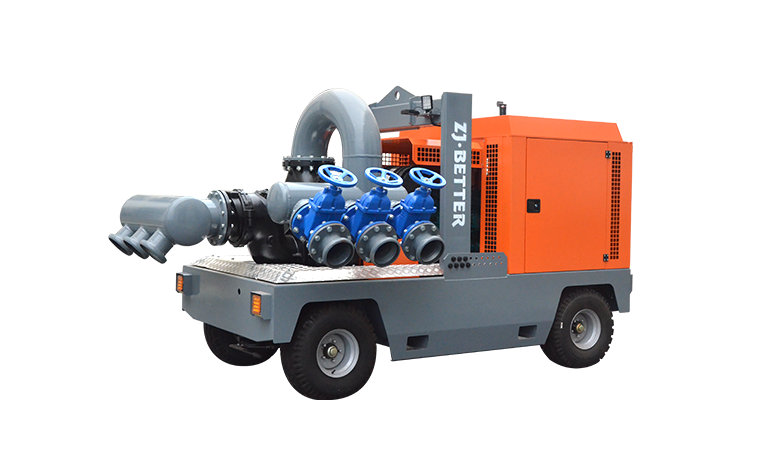
Diesel fire pumps are commonly used as backup solutions where power reliability is a concern. They provide independent operation during power failures and are often required for critical facilities.
Applications include:
- Industrial plants
- Oil and gas facilities
- Remote locations
- Large infrastructure projects
Although diesel systems may have higher initial costs, they provide additional reliability when electrical power cannot be guaranteed.
Complete Fire Pump Sets
A complete fire pump set typically includes the main fire pump, driver, controller, jockey pump, and accessories. Purchasing a complete solution from a professional manufacturer can simplify installation, reduce compatibility issues, and improve system reliability.
Choosing the right configuration based on project requirements is an important way to control costs.
Balance Quality and Price
A cost-effective fire pump solution requires a balance between quality and budget. Extremely low-cost products may create risks related to performance, durability, and after-sales support.
When evaluating fire pump suppliers, customers should consider:
Manufacturing Experience
An experienced fire pump manufacturer usually has better production processes, testing capabilities, and quality control systems. This helps ensure consistent product performance.
Product Certification
For many international projects, certification is an important factor. UL listed fire pumps and products designed according to recognized standards can provide additional confidence regarding quality and reliability.
Testing Capability
Professional manufacturers should have advanced testing equipment to verify pump performance, including flow, pressure, efficiency, and operational reliability.
A reliable supplier helps customers avoid hidden costs caused by equipment failures, project delays, or replacement requirements.
Choose a Pump with Suitable Performance, Not Excess Capacity
Oversized fire pumps are a common cause of unnecessary investment. A larger pump does not always mean better protection.
An oversized system may result in:
- Higher equipment costs
- Increased energy consumption
- More complicated installation
- Reduced operating efficiency
The ideal fire pump should match the hydraulic requirements of the fire protection system. Engineers should carefully calculate flow demand and pressure requirements before selecting the pump model.
A correctly sized fire pump provides the required protection while avoiding unnecessary expenses.
Evaluate Maintenance Requirements
Maintenance costs have a significant impact on the long-term value of a fire pump system.
A cost-effective fire pump should be designed for easy inspection, operation, and maintenance.
Important considerations include:
- Availability of spare parts
- Accessibility of components
- Manufacturer technical support
- Service life of key parts
- Maintenance frequency
A reliable fire pump with durable components can reduce downtime and maintenance expenses.
Regular inspection and testing also help identify potential problems before they become major failures. A well-maintained fire pump system can provide reliable protection for many years.
Consider Energy Efficiency and Operating Conditions
Energy consumption is another factor affecting the cost of operating a fire pump system.
For frequently operating auxiliary systems, selecting efficient motors, controllers, and pump designs can help reduce operating costs.
The operating environment should also be considered:
- Indoor or outdoor installation
- Temperature conditions
- Humidity levels
- Dust or corrosive environments
- Availability of fuel or electricity
For example, equipment installed in harsh industrial environments may require stronger protection and specialized materials. Selecting the appropriate design from the beginning can prevent future replacement costs.
Work with an Experienced Fire Pump Manufacturer
Choosing the right manufacturer is one of the most important steps in obtaining a cost-effective fire pump solution.
A professional fire pump manufacturer can provide:
- Engineering support
- Customized solutions
- Product testing
- Certification support
- Reliable delivery
- Technical service
Manufacturers with experience in international fire protection projects understand different market requirements and can recommend suitable solutions based on application needs.
Instead of choosing a supplier only based on the lowest quotation, customers should evaluate the manufacturer's technical capability, production quality, and long-term support.
Why Certification Matters in Cost-Effective Fire Pump Selection
Fire protection equipment plays a critical role in protecting lives and property. Therefore, compliance with recognized standards should be considered during selection.
For many international projects, certifications such as UL listing demonstrate that the equipment has undergone strict testing and evaluation.
Although certified products may have a higher initial investment, they can reduce risks related to system approval, reliability, and project acceptance.
The right certification level depends on project requirements, local regulations, and customer expectations.
Avoid Common Mistakes When Choosing a Fire Pump
Several mistakes can increase project costs and reduce system reliability.
Choosing Only Based on Price
The cheapest option may not provide the required performance or durability.
Ignoring Future Maintenance
A system that is difficult to maintain may create higher costs throughout its service life.
Selecting the Wrong Capacity
Incorrect pump sizing can reduce efficiency and increase operating expenses.
Neglecting Manufacturer Experience
Working with an inexperienced supplier may result in technical problems, delivery delays, or insufficient support.
Avoiding these mistakes helps ensure a reliable and economical fire protection solution.
.jpg)
Conclusion
Choosing a cost-effective fire pump solution requires more than comparing product prices. The best solution combines proper system design, suitable pump selection, reliable quality, certification requirements, efficient operation, and long-term maintenance considerations.
A high-quality fire pump system is an investment in safety and reliability. By carefully evaluating project requirements and working with an experienced fire pump manufacturer, customers can achieve the right balance between cost and performance.
Whether for commercial buildings, industrial facilities, infrastructure projects, or specialized applications, selecting the correct fire pump solution ensures dependable fire protection while controlling long-term costs.