
.png)
.png)
.png)
How to Choose a Fire Pump for Maximum Reliability?
Aug 06, 2026
Share:
A fire pump is one of the most critical components in a fire protection system. During an emergency, the reliability of the fire pump can directly affect whether a building, industrial facility, or infrastructure project has sufficient water pressure to control a fire. Unlike ordinary water pumps, fire pumps are designed to operate under extreme conditions and provide dependable performance when they are needed most.
Choosing the right fire pump requires more than selecting a pump based only on flow rate or pressure. A reliable fire pump system must match the specific requirements of the project, comply with fire protection standards, and provide stable operation throughout its service life.
For building owners, contractors, and fire protection engineers, understanding how to select a reliable fire pump is essential for ensuring safety, reducing maintenance costs, and improving overall fire system performance.
.jpg)
Understand the Fire Protection Requirements First
The first step in choosing a reliable fire pump is understanding the requirements of the fire protection system. Every project has different conditions, including building size, occupancy type, fire risk level, water supply conditions, and local regulations.
Before selecting a fire pump, engineers should evaluate several important parameters:
- Required flow rate
- Required pressure
- Water source availability
- Building height and hydraulic demand
- Fire protection equipment connected to the system
- Applicable standards and regulations
The fire pump must provide enough water flow and pressure to supply fire sprinklers, fire hydrants, standpipes, or other fire protection equipment simultaneously during an emergency.
An incorrectly selected pump may lead to insufficient pressure, excessive energy consumption, or premature equipment failure. Therefore, accurate hydraulic calculations are the foundation of a reliable fire pump selection process.
Select the Correct Fire Pump Type
Different applications require different types of fire pumps. Choosing the appropriate pump design is a key factor in achieving long-term reliability.
Common fire pump types include:
Electric Fire Pumps
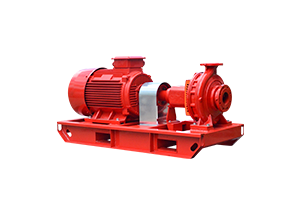
Electric fire pumps are widely used in commercial buildings, residential projects, and industrial facilities where a stable power supply is available.
Advantages include:
- Simple operation
- Lower maintenance requirements
- Quiet performance
- High operating efficiency
Electric fire pumps are often selected as the primary fire pump in facilities with reliable electrical infrastructure.
Diesel Fire Pumps
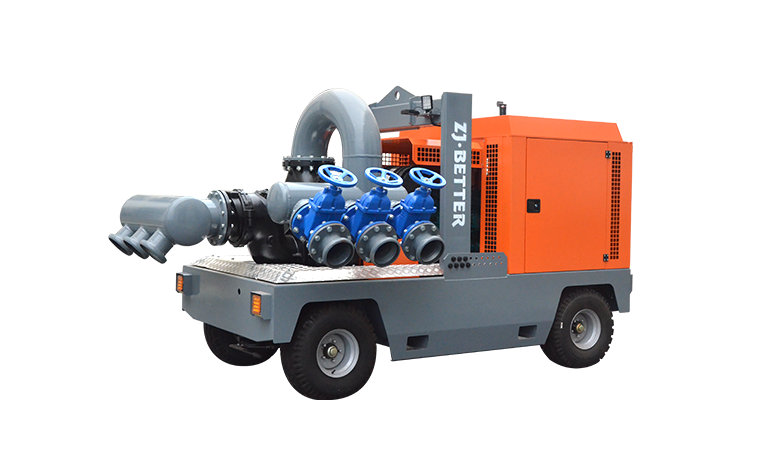
Diesel fire pumps are commonly used where electrical power reliability is uncertain or where backup protection is required.
Advantages include:
- Independent power source
- Reliable operation during power outages
- Suitable for remote locations
- Strong emergency capability
Many industrial facilities, oil and gas projects, warehouses, and large infrastructure developments use diesel fire pumps because they provide additional security during electrical failures.
Electric Diesel Jockey Pump Systems
A complete fire pump system often includes an electric pump, diesel pump, and jockey pump. The jockey pump maintains system pressure during normal conditions, while the main electric or diesel fire pump starts automatically when a significant pressure drop occurs.
This configuration provides redundancy and improves overall system reliability.
Choose Pumps That Meet International Standards
Certification and compliance are important indicators of fire pump reliability.
For critical fire protection applications, many projects require pumps that meet internationally recognized standards such as NFPA 20 requirements and UL certification.
A UL listed fire pump has undergone strict testing and evaluation to verify performance, construction quality, and reliability. Certified fire pumps help ensure that the equipment can perform as expected during emergency conditions.
When selecting a manufacturer, consider:
- Product certifications
- Factory quality control procedures
- Testing capabilities
- Manufacturing experience
- Technical support capability
Working with an experienced fire pump manufacturer can reduce project risks and improve long-term system reliability.
Evaluate Fire Pump Performance Parameters
Selecting a fire pump based only on rated capacity is not enough. Engineers should carefully review the complete performance curve and operating conditions.
Important performance factors include:
Flow Capacity
The pump must deliver the required amount of water to the fire protection system. Insufficient flow can reduce firefighting effectiveness.
Pressure Capability
The pump must maintain adequate pressure at the most demanding point of the system. Buildings with greater heights or complex piping systems usually require higher pressure performance.
Efficiency
A highly efficient fire pump reduces energy consumption and operating costs. However, efficiency should always be balanced with reliability and emergency performance.
Operating Range
A reliable fire pump should perform effectively across different operating conditions instead of only at the rated point.
Selecting a pump with appropriate performance characteristics helps prevent problems such as overheating, vibration, and excessive wear.
Consider the Quality of Pump Components
The reliability of a fire pump depends heavily on the quality of its components. A well-designed pump with high-quality materials can provide longer service life and more stable operation.
Important components include:
Pump Casing
The pump casing must withstand operating pressure and provide excellent durability. Strong materials help prevent leakage and structural damage.
Impeller
The impeller directly affects hydraulic performance. A properly designed impeller ensures stable flow and pressure output.
Motor or Diesel Engine
The driver must provide sufficient power and operate reliably during emergency conditions.
For diesel fire pumps, engine quality is especially important because the engine must start quickly and run continuously during a fire event.
Control Panel
A reliable fire pump controller ensures automatic starting, monitoring, and protection functions. The controller should provide accurate system status information and support easy operation.
Choose the Right Fire Pump Manufacturer
The manufacturer plays an important role in determining the reliability of the final fire pump system.
A professional fire pump manufacturer should have:
- Advanced production facilities
- Strict quality control processes
- Professional engineering teams
- Comprehensive testing equipment
- Experience with international projects
Before purchasing, customers should evaluate the manufacturer's technical capability, production experience, and after-sales service.
A manufacturer with strong engineering support can help customers select the correct pump model, provide technical documentation, and assist with installation and commissioning.
Consider Installation and Maintenance Requirements
Even the highest-quality fire pump can fail if it is installed incorrectly or poorly maintained.
A reliable fire pump system requires:
- Correct installation according to design requirements
- Proper alignment of pump and driver
- Regular inspection and testing
- Monitoring of pressure and performance
- Timely replacement of worn components
Regular maintenance helps identify potential problems before they become serious failures.
Fire protection standards generally require periodic testing to confirm that fire pumps remain ready for emergency operation. A maintenance-friendly design can significantly reduce downtime and operating costs.
Importance of Testing Before Operation
Testing is an essential step in ensuring fire pump reliability.
Before a fire pump system is put into service, it should undergo commissioning tests to verify:
- Correct startup operation
- Required flow and pressure performance
- Automatic control functions
- Alarm functions
- System integration
Professional testing equipment allows manufacturers and engineers to confirm that the pump performs according to design requirements.
A manufacturer with strong testing capability can provide greater confidence that the fire pump will operate reliably when required.
Avoid Common Fire Pump Selection Mistakes
Many reliability problems result from incorrect selection decisions. Common mistakes include:
Selecting Based Only on Price
The lowest-cost option may not provide the required reliability, certification, or service life. Fire protection equipment should be evaluated based on overall value rather than initial purchase price alone.
Ignoring Future Requirements
A fire protection system may need to support future expansion. Selecting a pump with insufficient capacity can create limitations later.
Choosing an Unqualified Supplier
Working with inexperienced suppliers may result in poor product quality, limited technical support, and difficulty obtaining replacement parts.
Neglecting Local Standards
Different countries and regions may have specific fire protection requirements. Selecting a pump that does not meet local standards can create compliance issues.
.jpg)
Conclusion
Choosing a fire pump for maximum reliability requires careful consideration of system requirements, pump type, performance characteristics, certification, component quality, and manufacturer capability.
A reliable fire pump is not simply a piece of equipment; it is a critical safety solution designed to protect lives, property, and business operations during emergencies.
By selecting the correct fire pump system, working with an experienced manufacturer, and maintaining the equipment properly, customers can ensure dependable fire protection performance for many years.
For commercial buildings, industrial facilities, and infrastructure projects, investing in a high-quality and properly designed fire pump system is one of the most important decisions for achieving long-term fire safety and operational reliability.
Next: