
.png)
.png)
.png)
Why Diesel Fire Pumps Need Regular Maintenance?
May 27, 2026
Share:
In the fire protection industry, reliability is everything. When a fire emergency occurs, every component of the fire protection system must work immediately and efficiently. Among the most critical components in many commercial, industrial, and municipal fire protection systems is the diesel fire pump. These pumps provide dependable water pressure and flow during emergencies, especially when electrical power is unavailable or unreliable.
However, diesel fire pumps are not equipment that can simply be installed and forgotten. Like any mechanical system, they require regular maintenance to ensure optimal performance, long service life, and compliance with fire safety standards. Neglecting maintenance can lead to unexpected failures, costly repairs, operational downtime, and serious safety risks.
This article explains why regular diesel fire pump maintenance is essential, the common issues caused by poor maintenance, and the best practices for keeping fire pump systems in peak operating condition.
.jpg)
Understanding the Role of Diesel Fire Pumps
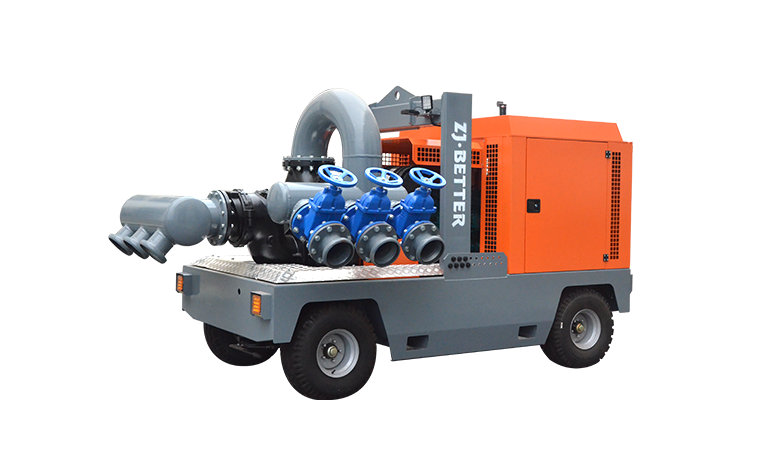
A diesel fire pump is designed to provide water flow and pressure to fire sprinkler systems, hydrants, standpipes, and other fire suppression equipment during a fire emergency. Unlike electric fire pumps, diesel-driven fire pumps operate independently of the electrical grid, making them ideal for facilities where power interruptions may occur during fires or natural disasters.
Diesel fire pumps are commonly used in:
- Industrial facilities
- Oil and gas plants
- Warehouses
- High-rise buildings
- Airports
- Power stations
- Marine applications
- Municipal water systems
Because these pumps often serve as the last line of defense during emergencies, reliability is non-negotiable.
Why Regular Maintenance Is Critical
Ensuring Reliable Emergency Operation
The primary reason for maintaining diesel fire pumps is to ensure they operate instantly during an emergency. Fire pumps may remain idle for long periods, but they must start immediately when required.
Without routine inspection and testing, several issues can develop unnoticed, including:
- Battery failure
- Fuel contamination
- Cooling system problems
- Engine lubrication deterioration
- Corrosion
- Blocked suction lines
- Controller malfunctions
A pump that fails during a fire emergency can lead to severe property damage, business interruption, environmental loss, and even loss of life.
Regular maintenance helps identify and correct small issues before they become major failures.
Preventing Mechanical Failures
Diesel fire pumps contain multiple mechanical components that experience wear over time. Even when pumps are not actively running during emergencies, environmental conditions and aging can affect system performance.
Common mechanical issues include:
- Worn bearings
- Damaged seals
- Fuel injector problems
- Engine overheating
- Belt wear
- Cooling system leaks
- Shaft misalignment
Routine maintenance ensures these components remain in good condition and reduces the risk of unexpected breakdowns.
Maintaining Compliance With Fire Safety Standards
Many countries and regions require regular fire pump inspection, testing, and maintenance according to recognized fire safety standards such as NFPA 25.
Routine maintenance helps building owners and facility managers comply with:
- Insurance requirements
- Local fire regulations
- Safety audits
- Industrial safety policies
- Certification inspections
Failure to maintain diesel fire pumps properly may result in non-compliance penalties, insurance claim issues, or failed inspections.
Common Problems Caused by Poor Maintenance
Battery Failure
Diesel fire pumps rely heavily on battery systems for engine startup. Weak or discharged batteries are among the most common causes of fire pump failure.
Without regular battery inspection and charging system checks, batteries may lose capacity or corrode over time.
Maintenance tasks should include:
- Checking battery voltage
- Cleaning terminals
- Verifying charger operation
- Inspecting cable connections
- Replacing aging batteries
Fuel System Contamination
Diesel fuel can degrade over time, especially when stored for extended periods. Water contamination, microbial growth, and sediment buildup can block fuel filters and damage engine components.
Poor fuel quality may lead to:
- Hard starting
- Reduced engine performance
- Injector damage
- Engine shutdown
Routine fuel inspection and tank cleaning help maintain fuel quality and engine reliability.
Cooling System Issues
Diesel fire pump engines generate significant heat during operation. A malfunctioning cooling system can cause overheating and severe engine damage.
Common cooling system problems include:
- Low coolant levels
- Radiator blockage
- Hose leaks
- Corrosion
- Water pump failure
Regular inspection of coolant condition, hoses, and heat exchangers is essential for stable operation.
Lubrication Problems
Engine oil plays a critical role in reducing friction and protecting internal engine components. Over time, oil can degrade and lose effectiveness.
Poor lubrication may cause:
- Increased engine wear
- Overheating
- Reduced efficiency
- Bearing damage
- Premature engine failure
Routine oil changes and oil analysis help extend engine life and maintain reliable operation.
Corrosion and Rust
Fire pump rooms are often exposed to moisture, temperature fluctuations, and humidity. Over time, these conditions can cause corrosion on pipes, valves, fittings, and pump components.
Corrosion can weaken the system and reduce operational reliability.
Regular visual inspections and protective maintenance measures help minimize corrosion-related damage.
The Importance of Routine Testing
Weekly Testing
Weekly no-flow or churn testing is one of the most important maintenance procedures for diesel fire pumps. These tests verify that the engine starts correctly and that the pump operates as expected.
Weekly testing helps identify:
- Starting problems
- Abnormal vibrations
- Unusual noises
- Fuel issues
- Cooling system failures
Frequent testing ensures problems are discovered early before they escalate.
Annual Flow Testing
Annual flow testing evaluates the fire pump’s ability to deliver the required water pressure and flow under different operating conditions.
Flow testing verifies:
- Rated pump performance
- Pressure stability
- Controller functionality
- Relief valve operation
- System efficiency
This test is critical for ensuring the fire protection system meets design requirements.
Controller and Alarm Testing
The fire pump controller acts as the brain of the system. If the controller malfunctions, the pump may fail to start automatically during a fire event.
Routine controller testing should include:
- Alarm verification
- Automatic start sequence testing
- Manual operation checks
- Sensor calibration
- Electrical connection inspection
Reliable controller operation is essential for overall system performance.
Benefits of Regular Diesel Fire Pump Maintenance
Improved System Reliability
Routine maintenance significantly improves system dependability during emergencies. Facilities with well-maintained fire pumps experience fewer unexpected failures and better overall fire protection readiness.
Longer Equipment Lifespan
Diesel fire pumps represent a major investment. Proper maintenance helps extend equipment life by reducing wear, preventing corrosion, and minimizing operational stress.
Well-maintained fire pumps can operate reliably for decades.
Reduced Repair Costs
Preventive maintenance is far less expensive than emergency repairs or complete equipment replacement.
Identifying minor issues early helps avoid:
- Major engine failures
- Pump damage
- Expensive downtime
- Emergency service costs
A proactive maintenance program saves money over the long term.
Better Operational Efficiency
A properly maintained diesel fire pump operates more efficiently and consistently. Efficient systems experience:
- Stable pressure performance
- Reduced fuel consumption
- Lower vibration levels
- Improved engine response
This contributes to overall fire protection system effectiveness.
Enhanced Safety
Most importantly, regular maintenance protects lives and property. Fire emergencies are unpredictable, and fire pumps must perform without hesitation.
Reliable fire pumps help ensure:
- Faster fire suppression
- Effective sprinkler performance
- Improved emergency response
- Reduced fire spread
Safety remains the ultimate goal of every fire protection system.
Best Practices for Diesel Fire Pump Maintenance
Establish a Maintenance Schedule
A structured maintenance schedule helps ensure inspections and testing are performed consistently.
Maintenance schedules should include:
- Weekly inspections
- Monthly testing
- Quarterly servicing
- Annual performance testing
- Periodic component replacement
Documentation should be maintained for all inspections and maintenance activities.
Train Maintenance Personnel
Properly trained technicians are essential for effective maintenance. Personnel should understand:
- Fire pump operating principles
- Diesel engine systems
- Safety procedures
- Inspection standards
- Troubleshooting techniques
Skilled technicians can identify potential issues more effectively and maintain system reliability.
Use Quality Replacement Parts
Using high-quality replacement parts helps preserve performance and durability. Inferior parts may reduce reliability and shorten equipment life.
Critical components such as filters, belts, seals, batteries, and lubricants should meet manufacturer specifications.
Monitor Environmental Conditions
The fire pump room environment directly affects equipment performance.
Facilities should maintain:
- Proper ventilation
- Stable temperature
- Low humidity
- Clean surroundings
- Adequate lighting
Good environmental control reduces corrosion and improves equipment longevity.
Keep Detailed Maintenance Records
Accurate maintenance records provide valuable operational history and support compliance requirements.
Records should include:
- Inspection dates
- Test results
- Repairs performed
- Parts replaced
- Fuel maintenance
- Battery checks
Comprehensive documentation helps identify recurring issues and improves maintenance planning.
Signs That a Diesel Fire Pump Needs Immediate Attention
Facility operators should never ignore warning signs that indicate potential fire pump problems.
Common warning signs include:
- Difficulty starting
- Excessive vibration
- Unusual engine noise
- Fuel leaks
- Smoke emissions
- Low oil pressure
- Overheating
- Reduced water pressure
- Alarm activation
Immediate inspection and corrective action are necessary whenever these issues appear.
Choosing the Right Maintenance Partner
Working with an experienced fire pump manufacturer or service provider can improve system reliability and simplify maintenance management.
A qualified maintenance partner can provide:
- Professional inspections
- Performance testing
- Troubleshooting support
- Spare parts supply
- Technical training
- Compliance guidance
Choosing a knowledgeable and experienced partner ensures the fire pump system remains fully operational and compliant with safety standards.
.jpg)
Conclusion
Diesel fire pumps are among the most important components of modern fire protection systems. Their ability to operate independently of electrical power makes them essential for protecting industrial facilities, commercial buildings, and critical infrastructure during emergencies.
However, even the most advanced diesel fire pump system cannot deliver reliable performance without regular maintenance. Preventive maintenance helps ensure immediate startup, stable operation, regulatory compliance, and long-term durability.
By implementing routine inspections, testing programs, and professional servicing, facility owners can minimize operational risks, reduce repair costs, and maintain the highest level of fire protection readiness.
Next: