
.png)
.png)
.png)
What Is the Impact of Water Quality on Fire Pump Performance?
Apr 10, 2026
Share:
Water is essential for firefighting, and fire pumps rely on it to provide the necessary pressure and flow for extinguishing fires. However, the quality of water used in fire pump systems can significantly impact their performance and longevity. As a manufacturer of fire pumps, both operators and engineers must understand how different water conditions affect fire pumps and what steps can be taken to mitigate risks. In this article, we will explore the ways in which water quality influences fire pump performance and offer solutions for ensuring optimal system operation.
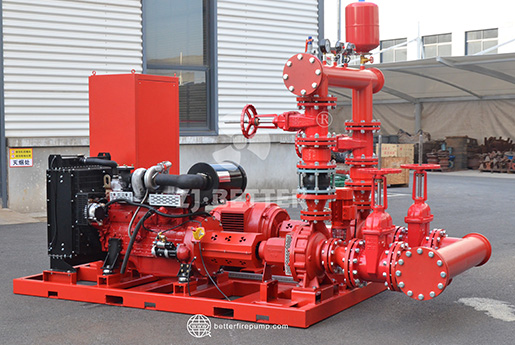
Why Does Water Quality Matter in Fire Pump Systems?
Water quality directly impacts the reliability and efficiency of fire pump systems. The primary concern is that impurities in water, such as sediments, minerals, or chemicals, can accumulate in the pump’s components, leading to corrosion, wear, or clogging. These issues can reduce the pump’s performance, increase maintenance costs, and even cause system failures in the midst of an emergency.
To ensure that a fire pump operates efficiently when it's needed most, it's important to take water quality into account when designing and maintaining fire protection systems. Let's look into how various water qualities can affect fire pumps.
Types of Water That Affect Fire Pumps
Fire pump systems are typically connected to different water sources, such as municipal water supply, open reservoirs, or fire tanks. The water used can fall into various categories, each with its own potential impact on the fire pump's performance:
- Municipal Water Supply
Municipal water is typically treated to meet quality standards for everyday use, but it still may contain chlorine, fluoride, and other chemicals. In most cases, municipal water quality will not negatively impact fire pumps unless there are contaminants such as dirt, rust, or biofilm buildup in the system. These can affect the performance of fire pumps by clogging filters and damaging components. - Surface Water (Lakes, Rivers, Reservoirs)
Water drawn from natural sources like lakes, rivers, and reservoirs often contains organic matter, debris, and sediment. When fire pumps draw water from these sources, the presence of these impurities can cause blockages or abrasive wear on the pump’s moving parts. Additionally, the presence of algae or other microorganisms in surface water can form biofilm that interferes with the pump’s internal mechanisms. - Groundwater
Groundwater tends to have higher mineral content, including iron and calcium. While this can be less problematic than surface water, the minerals can still accumulate over time and cause scale buildup inside the pump. This reduces efficiency, increases wear and tear, and requires more frequent maintenance to prevent blockages and ensure proper flow. - Seawater
Seawater is one of the most challenging water sources for fire pumps due to its high salinity. Saltwater can cause severe corrosion of metallic components, leading to system degradation. Over time, salt can also cause the formation of mineral deposits within the pump, resulting in reduced performance and the need for specialized maintenance and protection strategies.
How Water Quality Affects Fire Pump Components
The quality of water affects several components of fire pump systems, from the intake to the discharge. Let’s examine how contaminants can influence various parts of the system:
- Pump Impellers
Impellers are responsible for moving water through the system. Contaminants like dirt, sand, and organic matter can cause abrasions to the impeller blades, reducing their efficiency and causing wear. Over time, this leads to a decrease in water flow and pressure, reducing the pump’s overall performance. - Piping and Hoses
Sediment or rust in water can build up inside pipes and hoses, causing blockages that restrict the flow of water. This is especially problematic during an emergency when the fire pump is required to deliver water quickly. If the flow is reduced, it can hinder the pump's ability to generate sufficient pressure, ultimately compromising the firefighting efforts. - Seals and Bearings
Fire pump systems contain various seals and bearings that ensure smooth operation. Water quality can directly affect these components. Contaminants such as sand or grit can cause premature wear on seals and bearings, leading to leaks or failure of these critical parts. A compromised seal or bearing can cause the pump to malfunction, reducing its reliability when needed most. - Valves and Strainers
Valves and strainers are crucial for controlling the flow of water and filtering out impurities before they enter the pump system. Poor water quality can cause strainers to become clogged with debris, reducing their ability to filter out harmful particles. This can lead to overpressure or underperformance within the pump system. Additionally, valves can become corroded or clogged with minerals, affecting the pressure and efficiency of the entire system. - Pump Housing and Shaft
Corrosion caused by poor water quality, especially with salty or highly mineralized water, can damage the pump housing and shaft. This can lead to misalignment or weakening of the structural components, ultimately causing a breakdown of the entire system. Corrosion can also cause rust to accumulate, further damaging internal parts of the pump.
Water Quality Issues and Their Effect on Fire Pump Maintenance
The condition of the water used in fire pump systems can directly affect the frequency and cost of maintenance. Poor water quality can cause the following issues:
- Clogging and Sediment Build-up
Water with high levels of dirt or debris can cause strainers, filters, and valves to become clogged. This reduces the water flow and increases the amount of maintenance required to keep the system running at peak efficiency. Frequent cleaning or replacement of clogged filters can be costly and time-consuming. - Corrosion and Scale Formation
Corrosion caused by exposure to seawater or groundwater with high mineral content can damage fire pump components. Scale formation, especially from hard water, can create obstructions and lead to pump failures. Regular inspection and maintenance are required to remove corrosion or scale buildup to ensure the pump’s reliability. - Increased Wear and Tear
Abrasive materials in the water, such as sand or grit, can cause premature wear on components such as bearings, impellers, and seals. This leads to a reduced lifespan of the fire pump, resulting in more frequent replacements and repairs. The added cost of replacing parts due to wear can quickly escalate.
How to Mitigate the Impact of Poor Water Quality on Fire Pumps
Preventive measures can be taken to mitigate the impact of water quality on fire pump systems. Here are some strategies:
- Filtration and Pre-Treatment
Installing high-quality filters and strainers at the water intake can prevent large debris from entering the pump system. Additionally, pre-treatment systems can be used to remove contaminants such as minerals or organic matter before it reaches the pump. This helps reduce the risk of clogging and damage to the pump. - Corrosion Protection
For systems that use seawater or highly mineralized groundwater, corrosion protection measures such as coatings, sacrificial anodes, and corrosion-resistant materials can help extend the life of the pump and its components. Regular inspection and maintenance are essential to ensure these protection systems are functioning correctly. - Water Treatment Systems
Installing water softeners or descaling units can help reduce the mineral buildup caused by hard water. For seawater, reverse osmosis systems can be used to desalinate the water before it enters the pump. These water treatment systems can help protect the fire pump from corrosion, scaling, and other issues caused by poor water quality. - Regular Maintenance and Inspection
A regular maintenance schedule is essential to ensure fire pumps continue to perform at their best. This includes cleaning filters, inspecting seals, checking for signs of corrosion or scale buildup, and replacing any worn or damaged parts. Having a comprehensive maintenance plan in place can significantly reduce the risk of performance issues due to poor water quality. - Choosing the Right Pump for the Water Source
It’s important to select a fire pump that is suited for the type of water source it will be drawing from. For example, seawater pumps are specially designed to handle the corrosive nature of saltwater. Similarly, pumps used in areas with hard water should be equipped with components that are resistant to scale buildup. Choosing the right pump for the specific water conditions can help ensure optimal performance.
.jpg)
Conclusion
Water quality plays a crucial role in the performance and longevity of fire pump systems. Contaminants such as debris, minerals, and corrosive substances can significantly impact the efficiency of the pump, leading to increased wear, reduced performance, and higher maintenance costs. By understanding the impact of water quality and implementing preventive measures such as filtration, corrosion protection, and regular maintenance, fire pump systems can operate efficiently when needed most.