
.png)
.png)
.png)
What Is Fire Pump Backup Power Protection?
Jun 04, 2026
Share:
Fire pumps are among the most critical components of a fire protection system. Their primary role is to deliver sufficient water pressure and flow to sprinkler systems, standpipes, hydrants, and other firefighting equipment when a fire emergency occurs. However, a fire pump can only perform its life-saving function if it has a reliable power source. During a fire incident, power failures are not uncommon, making backup power protection an essential part of fire pump system design.
Fire pump backup power protection refers to the measures, equipment, and power sources used to ensure that a fire pump remains operational when the primary electrical supply is interrupted. These protective arrangements help maintain water delivery during emergencies, safeguarding people, property, and business continuity.
Understanding how backup power protection works and why it is important can help building owners, engineers, contractors, and facility managers make informed decisions about fire safety infrastructure.
.jpg)
Why Fire Pump Backup Power Protection Matters
A fire pump is often the last line of defense when a fire breaks out in a facility. In many cases, a fire can damage electrical systems, cause short circuits, or trigger utility outages. Natural disasters such as storms, earthquakes, and floods can also disrupt power supplies.
Without backup power protection, an electric fire pump may become inoperable exactly when it is needed most. This failure can result in:
- Reduced sprinkler performance
- Insufficient water pressure
- Delayed fire suppression
- Increased property damage
- Greater risk to occupants and firefighters
- Potential regulatory violations
Backup power protection significantly improves the reliability and availability of fire protection systems. It ensures that firefighting operations can continue even when the primary power source becomes unavailable.
How Fire Pumps Depend on Electrical Power
Most fire pumps are driven by one of two power sources:
Electric Motor Driven Fire Pumps
Electric fire pumps use motors connected to the building's electrical system. They are widely used because of their efficiency, lower maintenance requirements, and straightforward operation.
However, electric fire pumps rely on continuous electrical power. If the utility power fails and no backup power is available, the pump cannot operate.
Diesel Engine Driven Fire Pumps
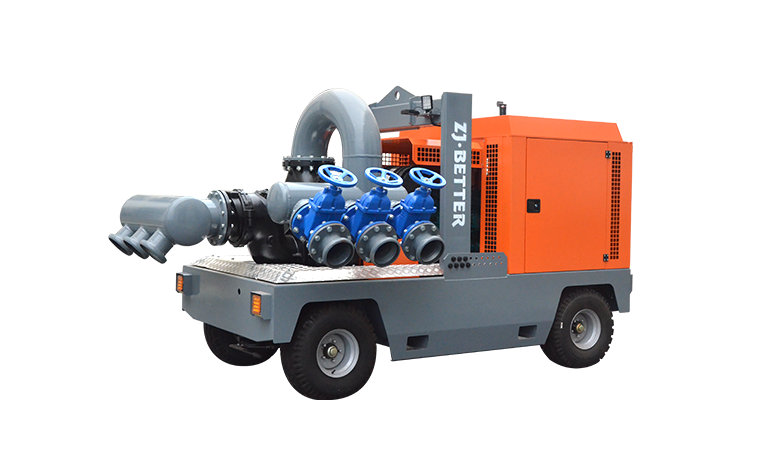
Diesel fire pumps use internal combustion engines instead of electric motors. Because they do not depend on utility electricity, they provide an independent source of pumping power.
For this reason, diesel fire pumps are often selected for facilities where electrical reliability is a concern or where emergency power infrastructure is limited.
Both electric and diesel fire pumps require protection measures to ensure dependable operation during emergencies.
Common Causes of Fire Pump Power Failure
Several factors can interrupt the primary power supply to an electric fire pump:
Utility Grid Outages
Power companies may experience equipment failures, severe weather events, or grid disturbances that interrupt electricity service.
Fire Damage
A fire may directly damage electrical cables, transformers, switchgear, or distribution panels serving the fire pump.
Internal Electrical Faults
Equipment failures within the facility's electrical system can disrupt power delivery to the pump controller.
Natural Disasters
Floods, hurricanes, earthquakes, and storms frequently affect utility infrastructure and can lead to extended outages.
Human Error
Accidental disconnection, maintenance mistakes, or operational errors can result in loss of power.
Because these risks are always present, backup power protection is considered a fundamental aspect of fire protection system reliability.
Types of Fire Pump Backup Power Protection
Several methods are commonly used to provide backup power protection for fire pumps.
Emergency Generators
Emergency generators are one of the most widely used backup power solutions.
When utility power fails, the generator automatically starts and supplies electricity to critical equipment, including fire pumps.
Advantages include:
- Continuous operation during utility outages
- Ability to support multiple emergency systems
- Suitable for large facilities
- Compliance with many fire protection requirements
Generators are commonly powered by diesel fuel, natural gas, or propane.
To ensure reliability, generators should be properly sized, tested regularly, and maintained according to manufacturer recommendations.
Diesel Engine Fire Pumps
Instead of providing backup power to an electric motor, some facilities install diesel engine driven fire pumps.
A diesel fire pump serves as an independent pumping source that does not rely on utility electricity.
Benefits include:
- Independence from electrical power
- High reliability during outages
- Suitable for remote locations
- Reduced dependence on emergency generators
Diesel fire pumps typically include dedicated fuel tanks, batteries, engine controllers, and cooling systems to support operation during emergencies.
Alternate Utility Feeds
Some facilities have access to multiple electrical services from separate utility sources.
If one electrical feed fails, the fire pump can automatically switch to the secondary source.
This arrangement improves reliability but may not provide complete protection if a widespread utility outage affects both services.
Uninterruptible Power Supply (UPS)
UPS systems are generally not used as the primary backup source for large fire pumps because of their significant power requirements. However, UPS units may be used to support control systems, monitoring equipment, and communication devices associated with the fire pump installation.
The Role of Automatic Transfer Switches
An automatic transfer switch (ATS) plays a vital role in backup power protection.
The ATS continuously monitors the primary power source. When a power failure is detected, the switch automatically transfers the fire pump load to the emergency generator or alternate power source.
Once normal power is restored, the ATS transfers the load back to the primary supply.
Key benefits of automatic transfer switches include:
- Fast response during outages
- Reduced need for manual intervention
- Increased system reliability
- Enhanced fire protection readiness
Proper installation and regular testing of transfer switches are essential for ensuring dependable operation.
NFPA 20 Requirements for Backup Power
NFPA 20, the Standard for the Installation of Stationary Pumps for Fire Protection, provides guidance for fire pump power supply arrangements.
The standard emphasizes the importance of reliable power sources and addresses topics such as:
- Power supply reliability
- Emergency power sources
- Fire pump controllers
- Transfer equipment
- Wiring protection
- Equipment location
NFPA 20 recognizes that the availability of power directly affects fire pump performance and system effectiveness.
The standard does not require backup power for every installation, but many facilities, authorities having jurisdiction, insurance providers, and project specifications mandate emergency power arrangements based on risk assessments and occupancy classifications.
Compliance with applicable codes and local regulations should always be verified during project planning.
Designing an Effective Backup Power System
An effective backup power protection strategy requires careful planning and engineering.
Assess Facility Risks
The first step is understanding the facility's fire protection needs and power reliability risks.
Factors to evaluate include:
- Building occupancy
- Fire hazards
- Utility reliability history
- Local code requirements
- Business continuity objectives
Select the Appropriate Backup Method
Different facilities require different solutions.
For example:
- Commercial buildings may use emergency generators.
- Industrial facilities may prefer diesel fire pumps.
- Critical infrastructure may utilize redundant power supplies and generators.
Ensure Proper Equipment Sizing
Backup power equipment must be capable of handling the fire pump's starting and running loads.
Undersized generators may fail to start the pump, rendering the protection system ineffective.
Protect Power Distribution Components
Electrical feeders, controllers, and transfer switches should be protected from fire exposure, flooding, physical damage, and environmental hazards.
Implement Monitoring Systems
Modern fire pump installations often include monitoring systems that track:
- Power availability
- Generator status
- Battery condition
- Fuel levels
- Alarm conditions
Continuous monitoring helps identify potential problems before an emergency occurs.
Maintenance and Testing of Backup Power Systems
Even the most advanced backup power system can fail if it is not maintained properly.
Routine inspection and testing should include:
Generator Testing
Emergency generators should be exercised regularly under load conditions to verify performance.
Battery Inspection
Starting batteries for generators and diesel engines should be checked for voltage, charging performance, and physical condition.
Fuel System Maintenance
Diesel fuel quality should be monitored to prevent contamination, degradation, or microbial growth.
Transfer Switch Testing
Automatic transfer switches should be tested periodically to ensure proper operation during power failures.
Fire Pump Acceptance Testing
Regular fire pump testing confirms that the pump, controller, and backup power systems work together as intended.
A comprehensive preventive maintenance program significantly improves system reliability and compliance.
Backup Power Protection in Different Industries
Backup power protection is important across many sectors.
Commercial Buildings
Office towers, shopping centers, and mixed-use developments often rely on generators to support fire pumps and life safety systems.
Industrial Facilities
Manufacturing plants, refineries, and warehouses require dependable fire protection to safeguard personnel and assets.
Hospitals
Healthcare facilities cannot afford interruptions in fire protection. Redundant power systems are commonly employed.
Data Centers
Data centers protect critical digital infrastructure and often use highly reliable emergency power systems.
Airports and Transportation Hubs
Large transportation facilities depend on continuous fire protection capabilities to support public safety.
Choosing Between Electric and Diesel Fire Pumps
When considering backup power protection, many facility owners compare electric and diesel fire pumps.
Electric fire pumps offer:
- Lower maintenance requirements
- Cleaner operation
- Lower noise levels
- High efficiency
Diesel fire pumps offer:
- Independence from utility power
- Excellent reliability during outages
- Reduced dependence on generators
- Strong performance in remote locations
The best choice depends on project requirements, site conditions, available infrastructure, and regulatory considerations.
.jpg)
Conclusion
Fire pump backup power protection is a critical element of any reliable fire protection system. During a fire emergency, the loss of electrical power can severely compromise firefighting capabilities if proper backup measures are not in place.
Whether through emergency generators, diesel engine fire pumps, alternate utility feeds, or other reliability enhancements, backup power protection helps ensure that fire pumps continue operating when they are needed most.
By understanding the risks of power failure, complying with applicable standards, implementing appropriate backup solutions, and maintaining equipment regularly, facility owners can significantly improve fire protection reliability and enhance overall life safety.
Next: