
.png)
.png)
.png)
What Is a Fire Pump Set?
Jun 22, 2026
Share:
A fire pump set is a critical component of a fire protection system designed to deliver water at the required pressure and flow rate during a fire emergency. When the available water supply cannot provide sufficient pressure to meet firefighting demands, a fire pump set boosts the water pressure, ensuring that sprinkler systems, hydrants, standpipes, and other fire suppression equipment operate effectively.
Fire pump sets are widely used in commercial buildings, industrial facilities, warehouses, airports, power plants, hospitals, shopping centers, high-rise buildings, and many other locations where reliable fire protection is essential. Without a properly designed and maintained fire pump set, a fire protection system may fail to deliver adequate water during an emergency, resulting in increased property damage and safety risks.
This article explains what a fire pump set is, how it works, its major components, common types, applications, installation requirements, and maintenance considerations.
.jpg)
Understanding the Purpose of a Fire Pump Set
The primary purpose of a fire pump set is to ensure that water reaches fire protection equipment at the required pressure and flow. In many buildings and facilities, the municipal water supply alone is not sufficient to meet fire protection system requirements.
Several factors can reduce available water pressure, including:
- High building elevations
- Long piping networks
- Large industrial facilities
- Remote project locations
- Water storage tanks requiring pressure boosting
- High-demand fire suppression systems
A fire pump set compensates for these limitations by increasing water pressure whenever a fire protection system is activated.
During a fire event, automatic sprinklers, hydrants, or hose reels require a consistent supply of pressurized water. The fire pump set ensures that sufficient water is delivered quickly and reliably to suppress or control the fire.
How Does a Fire Pump Set Work?
A fire pump set operates automatically when the pressure in the fire protection system drops below a predetermined level.
The process typically follows these steps:
- The fire protection system remains pressurized during normal operation.
- When a sprinkler head opens or a hydrant is used, system pressure decreases.
- A pressure sensing device detects the pressure drop.
- The controller sends a signal to start the fire pump.
- The fire pump draws water from a water source such as a tank, reservoir, lake, or municipal supply.
- The pump increases water pressure and delivers it to the fire protection network.
- The pump continues operating until it is manually stopped according to fire protection regulations.
Unlike many industrial pumps, fire pumps are designed to continue running once activated, ensuring uninterrupted water supply throughout the emergency.
Main Components of a Fire Pump Set
A complete fire pump set consists of several integrated components that work together to provide reliable fire protection.
Fire Pump
The fire pump is the core component of the system. It is responsible for increasing water pressure and delivering the required flow rate.
Common fire pump designs include:
- Horizontal split case pumps
- End suction pumps
- Vertical turbine pumps
- Vertical inline pumps
- Multi-stage pumps
The pump type selected depends on project requirements, available space, water source conditions, and performance specifications.
Driver
The driver provides power to operate the fire pump.
The two most common driver options are:
Electric Motor
Electric motor-driven fire pumps are widely used because they are efficient, reliable, and require less maintenance.
Advantages include:
- Low operating costs
- Simple operation
- Clean performance
- High efficiency
Diesel Engine
Diesel engine-driven fire pumps are used when electrical power may be unavailable during emergencies.
Advantages include:
- Independent operation
- Suitable for remote locations
- Reliable backup power source
- Compliance with critical facility requirements
Many projects install both electric and diesel fire pump sets to maximize system reliability.
Fire Pump Controller
The controller monitors system pressure and automatically starts the fire pump when required.
The controller performs several functions:
- Pressure monitoring
- Automatic pump starting
- Alarm monitoring
- System diagnostics
- Operational status indication
Modern controllers provide advanced monitoring and communication capabilities for facility management systems.
Jockey Pump
A jockey pump is a small pressure-maintaining pump installed alongside the main fire pump.
Its purpose is to compensate for minor pressure losses caused by:
- Small leaks
- Temperature changes
- Valve seepage
By maintaining system pressure, the jockey pump prevents unnecessary starting of the main fire pump.
Base Frame
The base frame supports all major components and ensures proper alignment between the pump and driver.
A robust base frame minimizes vibration and improves system reliability.
Piping and Valves
Fire pump sets include various piping components and valves such as:
- Suction piping
- Discharge piping
- Isolation valves
- Check valves
- Pressure relief valves
- Flow meters
These components ensure safe and efficient operation of the fire protection system.
Types of Fire Pump Sets
Different fire protection projects require different fire pump configurations.
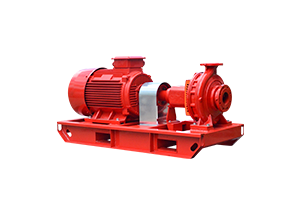
Electric Fire Pump Set
An electric fire pump set consists of:
- Fire pump
- Electric motor
- Controller
- Base frame
It is commonly used in commercial and industrial buildings with reliable power supplies.
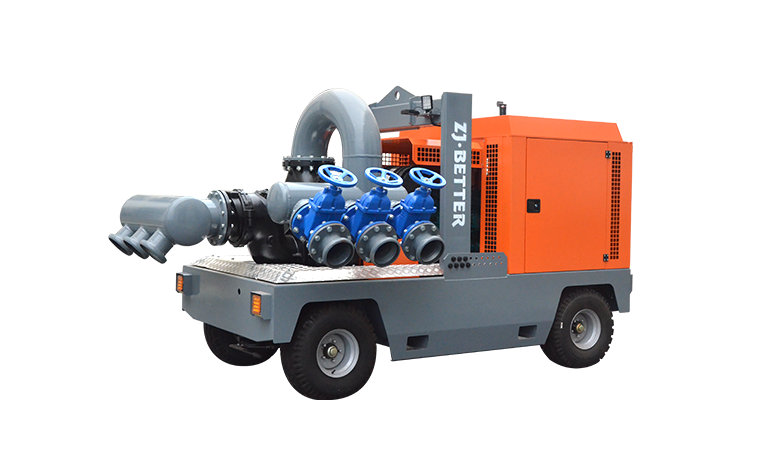
Diesel Fire Pump Set
A diesel fire pump set includes:
- Fire pump
- Diesel engine
- Fuel tank
- Cooling system
- Controller
It is often selected for critical facilities where uninterrupted fire protection is essential.
Electric and Diesel Fire Pump Package
Many large projects utilize both electric and diesel fire pumps.
In this arrangement:
- The electric pump serves as the primary unit.
- The diesel pump serves as emergency backup.
This configuration offers the highest level of system redundancy.
Vertical Turbine Fire Pump Set
Vertical turbine fire pump sets are commonly used when water is sourced from:
- Rivers
- Lakes
- Reservoirs
- Underground wells
These pumps are designed to operate with water levels below ground.
Applications of Fire Pump Sets
Fire pump sets are used across a wide range of industries and facilities.
Commercial Buildings
Shopping centers, office towers, hotels, and residential complexes often require fire pump systems to meet fire code requirements.
Industrial Facilities
Manufacturing plants, chemical facilities, refineries, and warehouses rely on fire pump sets to protect personnel, equipment, and inventory.
Data Centers
Data centers require highly reliable fire protection systems due to the critical nature of their operations.
Airports
Airports utilize fire pump sets to support hydrant systems, hangars, terminals, and fuel storage facilities.
Hospitals
Healthcare facilities depend on continuous fire protection to safeguard patients, staff, and essential medical equipment.
Power Plants
Power generation facilities often require large-capacity fire pump systems to protect valuable infrastructure.
Fire Pump Set Performance Requirements
A fire pump set must be designed to meet specific performance criteria.
Key parameters include:
Flow Rate
Flow rate refers to the volume of water delivered by the pump, typically measured in:
- Gallons per minute (GPM)
- Liters per minute (LPM)
- Cubic meters per hour (m³/h)
Pressure
Pressure determines the pump's ability to deliver water throughout the fire protection system.
It is commonly measured in:
- PSI
- Bar
- kPa
Rated Capacity
The fire pump must achieve its rated flow and pressure according to project specifications and applicable standards.
Reliability
Fire pumps are emergency equipment and must remain operational after long periods of inactivity.
Reliability is therefore one of the most important design considerations.
Fire Pump Standards and Certifications
Fire pump sets are often designed and manufactured according to internationally recognized standards.
NFPA 20
NFPA 20 establishes requirements for the installation of stationary fire pumps used in fire protection systems.
The standard covers:
- Pump selection
- Installation
- Testing
- Drivers
- Controllers
- Water supplies
UL Certification
UL Listed fire pumps undergo rigorous testing to verify performance, reliability, and safety.
UL certification is frequently required for commercial and industrial projects worldwide.
FM Approval
FM Approved fire pumps meet stringent loss-prevention and performance requirements for industrial facilities.
Many projects specify both UL and FM certifications.
Installation Considerations
Proper installation is essential for achieving reliable fire pump performance.
Important factors include:
Adequate Water Supply
The water source must be capable of supplying sufficient flow and pressure throughout the fire event.
Proper Ventilation
Diesel engine fire pumps require adequate ventilation and exhaust systems.
Accessibility
The fire pump room should provide easy access for inspection, testing, and maintenance.
Foundation Design
A stable foundation minimizes vibration and ensures proper equipment alignment.
Environmental Conditions
Temperature, humidity, and corrosion risks should be considered during system design.
Fire Pump Testing and Maintenance
Routine testing and maintenance help ensure that the fire pump set operates correctly when needed.
Typical maintenance activities include:
Weekly Inspections
Operators should inspect:
- Pump condition
- Pressure readings
- Fuel levels
- Battery status
- Control panels
Monthly Testing
Regular pump runs verify system readiness and identify potential issues.
Annual Performance Testing
Flow testing confirms that the pump continues to meet its rated performance.
Preventive Maintenance
Preventive maintenance may include:
- Lubrication
- Battery replacement
- Fuel system inspection
- Seal inspection
- Alignment verification
- Controller testing
Consistent maintenance reduces the risk of unexpected failures during emergencies.
Choosing the Right Fire Pump Set
Selecting the appropriate fire pump set requires careful evaluation of project requirements.
Important considerations include:
- Required flow rate
- Required pressure
- Water source characteristics
- Building height
- Fire protection system design
- Available power sources
- Local regulations
- Certification requirements
- Installation space
- Long-term maintenance needs
Working with an experienced fire pump manufacturer can help ensure that the selected system meets both performance and compliance requirements.
.jpg)
Conclusion
A fire pump set is one of the most important elements of any fire protection system. Its primary function is to provide the pressure and flow needed to deliver water effectively during a fire emergency. Whether powered by an electric motor or a diesel engine, a properly designed fire pump set ensures that sprinklers, hydrants, and other firefighting equipment receive adequate water when it matters most.
Understanding the components, operation, types, applications, and maintenance requirements of fire pump sets allows building owners, engineers, contractors, and facility managers to make informed decisions. By selecting a reliable fire pump set and maintaining it properly, organizations can significantly improve fire safety, protect valuable assets, and ensure compliance with fire protection standards.