
.png)
.png)
.png)
How to Save Costs with Preventive Maintenance on Your Fire Pump?
Apr 08, 2026
Share:
Fire pumps are the unsung heroes of any building’s fire protection system. These critical devices ensure that in the event of a fire, water is pumped to the required locations to extinguish the flames. However, as with any piece of equipment, fire pumps require regular care and maintenance to keep them in top working condition.
Preventive maintenance (PM) is a proactive approach that helps identify and address potential issues before they escalate into costly repairs or failures. For fire pumps, implementing a solid preventive maintenance plan can save businesses significant money, improve system reliability, and extend the life of the equipment. In this article, we will explore how preventive maintenance can reduce costs and optimize the performance of your fire pump system.
1. The Importance of Preventive Maintenance for Fire Pumps
Fire pumps, whether electric or diesel-driven, play a critical role in the safety of your building. They are responsible for providing the necessary water pressure during a fire emergency, which can mean the difference between life and death. Given their importance, ensuring that fire pumps are always in good working condition is essential.
Preventive maintenance involves regularly scheduled inspections, testing, cleaning, lubrication, and parts replacement. The goal is to detect and resolve minor issues before they become major problems. By addressing these small issues early on, businesses can prevent costly repairs, downtime, and even complete system failure during an emergency.
2. Key Areas to Focus on During Preventive Maintenance
To ensure that your fire pump is running efficiently, there are several key areas to focus on during preventive maintenance. Here are the primary components that need attention:
a. Check the Pump Impeller and Bearings
The impeller and bearings are essential parts of the fire pump that help generate water flow. Over time, these components can wear down, reducing the efficiency of the pump. During preventive maintenance, it’s important to inspect these parts for wear and replace them if necessary.
b. Inspect the Engine and Fuel System (For Diesel Pumps)
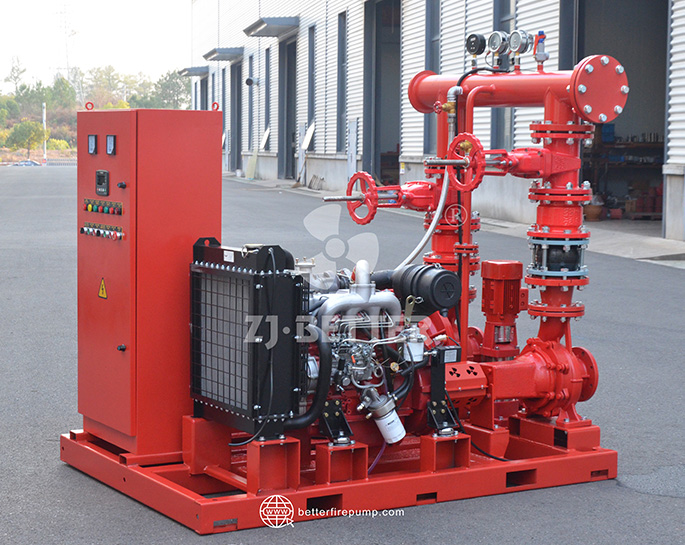
For diesel fire pumps, the engine and fuel system need regular attention. A failure in the fuel system can lead to engine issues, which can prevent the pump from operating correctly during a fire emergency. Routine checks on the fuel lines, filters, and the engine itself can help prevent issues that would otherwise lead to expensive repairs.
c. Ensure Proper Alignment and Calibration
Misalignment of the pump or its motor can cause unnecessary wear and reduce the overall performance of the fire pump. Ensuring that the pump is properly aligned and calibrated is a key part of preventive maintenance that can prevent inefficiency and expensive repairs.
d. Monitor the Water End and Pressure Relief Valve
The water end of the fire pump, which includes the volute, suction, and discharge head, needs to be checked regularly for any leaks, corrosion, or damage. The pressure relief valve, which helps regulate system pressure, should also be inspected to ensure that it is functioning properly. Both of these components play a key role in maintaining pump efficiency and preventing excessive wear.
e. Test the Electrical System (For Electric Pumps)
For electric fire pumps, the electrical system, including the motor, wiring, and control panels, should be thoroughly tested. Electrical issues can lead to failures that would compromise fire pump operation. Regularly inspecting the system ensures that the fire pump will respond when needed.
3. Cost-Effective Preventive Maintenance Tips
Preventive maintenance on fire pumps doesn’t have to be expensive. Here are some practical cost-saving strategies to incorporate into your maintenance plan:
a. Schedule Regular Inspections
By scheduling regular inspections (at least twice a year), you can catch small issues before they turn into major problems. Routine checks can help identify issues with seals, bearings, valves, and connections that might otherwise go unnoticed.
b. Clean the Fire Pump System
Dirt, dust, and debris can accumulate in the fire pump system over time, which can lead to inefficiencies and unnecessary wear. Cleaning the pump, including the motor, filter, and valves, as part of regular maintenance can help reduce repair costs and keep the system running smoothly.
c. Replace Worn Parts Before They Fail
Replacing small, worn-out parts before they fail can save significant costs down the road. For example, replacing worn seals, gaskets, and bearings at the first signs of wear can prevent larger issues, such as pump failure or catastrophic damage to the motor.
d. Maintain an Accurate Log of Maintenance Activities
An effective way to manage preventive maintenance is by keeping an accurate log of all inspections, repairs, and replacements. This allows you to track the condition of the fire pump system over time and plan future maintenance activities based on the pump’s usage and age.
4. The Cost of Neglecting Preventive Maintenance
While preventive maintenance requires an initial investment of time and resources, neglecting it can result in far higher costs in the long run. Here’s how:
a. Increased Repair Costs
When small problems are ignored, they can develop into larger issues that require expensive repairs. For example, if a faulty seal is not replaced, it can cause the pump to lose efficiency and potentially damage other parts, requiring costly repairs or a complete overhaul.
b. Decreased Lifespan of the Fire Pump
A fire pump that is not properly maintained will have a shorter lifespan than one that is regularly cared for. The cost of replacing an entire fire pump system is significantly higher than performing routine maintenance.
c. Increased Risk of Failure During an Emergency
One of the most significant consequences of neglecting fire pump maintenance is the risk of failure during an emergency. If your fire pump fails to operate during a fire, the consequences could be devastating. The financial cost of dealing with fire damage, potential legal issues, and loss of life far outweighs the cost of preventive maintenance.
5. Partnering with Professionals for Preventive Maintenance
While some maintenance tasks can be handled by in-house staff, others require the expertise of professionals. It’s highly recommended to partner with a fire pump maintenance specialist who can conduct thorough inspections, offer advice on maintaining your system, and carry out repairs and replacements when necessary.
Professional technicians have the necessary experience to detect issues that might be overlooked by non-specialists. They also have access to the right tools and equipment to perform maintenance tasks efficiently and safely.
6. The Benefits of Preventive Maintenance Beyond Cost Savings
While the cost savings are significant, preventive maintenance also provides additional benefits that improve the overall reliability of your fire pump system:
a. Improved Reliability
A well-maintained fire pump is more likely to perform reliably during an emergency. This is critical for protecting lives and property. Preventive maintenance ensures that your fire pump will work when it’s needed most.
b. Increased System Efficiency
Regular maintenance helps ensure that your fire pump is operating at peak efficiency, reducing energy consumption and operating costs.
c. Compliance with Regulations
Many local fire safety regulations require regular inspection and maintenance of fire pump systems. By staying up to date with preventive maintenance, you ensure that your system is compliant with fire safety laws, which can help you avoid fines and penalties.
.jpg)
Conclusion
Preventive maintenance for fire pumps is a smart and cost-effective strategy to ensure the reliability and efficiency of your fire protection system. By regularly inspecting, testing, and maintaining your fire pump, you can identify issues early, reduce repair costs, extend the lifespan of your equipment, and ensure your fire pump will perform when it’s needed most.
Investing in preventive maintenance now can save your business a significant amount of money in the future while improving overall fire safety. Whether you handle maintenance in-house or work with a professional service, staying on top of regular maintenance is one of the best ways to protect both your property and your bottom line.