
.png)
.png)
.png)
How to Protect Your Facility from Fire Pump System Failures?
Apr 22, 2026
Share:
Fire pump systems are the backbone of any fire protection infrastructure. When a fire emergency occurs, there is no margin for error—your fire pump must operate instantly and reliably. However, many facilities overlook the risks associated with fire pump system failures until it is too late.
Understanding how to prevent these failures is essential for maintaining safety, protecting assets, and ensuring compliance with fire protection standards. This article provides a comprehensive guide to identifying risks, implementing preventive strategies, and maintaining optimal fire pump performance.
.jpg)
Why Fire Pump System Failures Are a Critical Risk
A fire pump system failure can result in catastrophic consequences, including uncontrolled fire spread, property damage, business interruption, and even loss of life. Unlike other mechanical systems, fire pumps often remain idle for long periods, which increases the risk of hidden issues going undetected.
Common consequences of fire pump failure include:
- Insufficient water pressure during emergencies
- Delayed system activation
- Complete system inoperability
- Non-compliance with safety regulations
Because fire pumps are rarely used in real emergencies, regular testing and maintenance become even more critical to ensure readiness.
Common Causes of Fire Pump System Failures
To effectively prevent failures, it is important to understand their root causes. Most fire pump issues stem from a combination of mechanical, electrical, and human factors.
1. Lack of Regular Maintenance
Neglecting routine maintenance is one of the leading causes of fire pump failure. Components such as bearings, seals, and couplings degrade over time, especially in harsh environments.
2. Power Supply Issues
Electric fire pumps depend on a stable power source. Power interruptions, faulty wiring, or control panel failures can prevent the pump from starting when needed.
3. Diesel Engine Problems
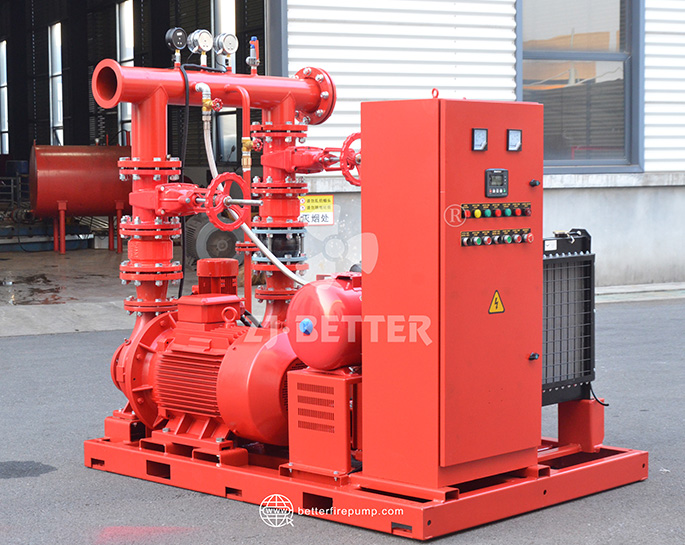
Diesel fire pumps are widely used for their reliability, but they require proper fuel management, battery maintenance, and cooling system checks. Common issues include:
- Battery failure
- Fuel contamination
- Engine overheating
4. Improper Installation
Incorrect alignment, poor piping design, or inadequate suction conditions can reduce pump efficiency and lead to premature failure.
5. Control System Malfunctions
Modern fire pump systems rely on automated controllers. Faulty sensors, programming errors, or outdated systems can compromise performance.
6. Corrosion and Wear
Exposure to moisture, chemicals, or extreme temperatures can cause corrosion, leading to leaks and reduced efficiency.
Key Strategies to Prevent Fire Pump System Failures
Preventing fire pump failures requires a proactive and systematic approach. Below are the most effective strategies that facility managers and safety professionals should implement.
1. Establish a Preventive Maintenance Program
A well-structured preventive maintenance plan is the foundation of fire pump reliability. This program should include:
- Routine inspections of all mechanical components
- Lubrication of moving parts
- Replacement of worn or damaged components
- Verification of alignment and coupling
Maintenance schedules should be based on manufacturer recommendations and operational conditions. Keeping detailed maintenance records also helps identify recurring issues and improve long-term reliability.
2. Conduct Regular Testing and Performance Verification
Testing ensures that your fire pump system will function as expected during an emergency. Key testing procedures include:
Weekly Testing
- Run the pump under no-flow or churn conditions
- Check for unusual noise, vibration, or leaks
Monthly Testing
- Inspect control panels and alarm systems
- Verify fuel levels and battery condition for diesel pumps
Annual Testing
- Perform full-flow performance tests
- Measure pressure, flow rate, and system efficiency
Regular testing not only identifies issues early but also ensures compliance with fire safety standards.
3. Ensure Reliable Power Supply
For electric fire pumps, a stable and reliable power source is essential. Facilities should:
- Install backup power systems such as generators
- Regularly inspect electrical connections and wiring
- Test automatic transfer switches
For diesel fire pumps, ensure:
- Batteries are fully charged and replaced when necessary
- Fuel tanks are clean and properly maintained
- Cooling systems are functioning correctly
Redundancy in power supply significantly reduces the risk of system failure.
4. Monitor System Performance in Real Time
Modern fire pump systems can benefit from advanced monitoring technologies. Real-time monitoring allows operators to detect anomalies before they escalate into major issues.
Key parameters to monitor include:
- Pressure levels
- Flow rates
- Temperature
- Vibration
Implementing remote monitoring systems can provide instant alerts and enable faster response times.
5. Train Personnel and Improve Operational Awareness
Human error is a significant factor in many fire pump failures. Proper training ensures that staff understand how to operate, inspect, and maintain the system correctly.
Training programs should cover:
- Basic system operation
- Emergency procedures
- Routine inspection protocols
- Troubleshooting techniques
Regular drills and refresher courses help reinforce knowledge and ensure readiness.
6. Follow Industry Standards and Compliance Requirements
Adhering to recognized standards is essential for ensuring fire pump system reliability. These standards provide guidelines for design, installation, testing, and maintenance.
Compliance helps:
- Minimize operational risks
- Ensure system performance
- Avoid legal and regulatory penalties
Facilities should conduct periodic audits to verify compliance and identify areas for improvement.
7. Use High-Quality Components and Professional Installation
The quality of your fire pump system components directly impacts its reliability. Investing in high-quality pumps, engines, and control systems reduces the likelihood of failure.
Equally important is professional installation. Proper system design and installation ensure:
- Optimal performance
- Reduced wear and tear
- Long-term durability
Working with experienced manufacturers and engineers can make a significant difference in system reliability.
8. Implement a Redundancy Strategy
Redundancy is a key principle in fire protection systems. Having backup components ensures that the system remains operational even if one part fails.
Examples of redundancy include:
- Dual fire pumps (primary and standby)
- Backup power supplies
- Multiple water sources
This approach provides an additional layer of security and minimizes downtime.
9. Keep Detailed Documentation and Inspection Records
Accurate documentation is essential for effective fire pump management. Records should include:
- Maintenance logs
- Test results
- Repair history
- Inspection reports
These records help track system performance over time and provide valuable insights for preventive maintenance.
10. Conduct Regular Risk Assessments
Periodic risk assessments help identify potential vulnerabilities in your fire pump system. These assessments should evaluate:
- Environmental conditions
- System aging
- Operational changes
- Compliance status
By identifying risks early, facilities can take proactive measures to prevent failures.
The Role of Manufacturers in Ensuring Reliability
As a fire pump manufacturer, providing reliable equipment is only part of the responsibility. Supporting customers with technical guidance, maintenance recommendations, and system optimization is equally important.
Manufacturers can add value by:
- Offering customized solutions based on facility needs
- Providing detailed operation and maintenance manuals
- Supporting commissioning and testing processes
- Delivering ongoing technical support
A strong partnership between manufacturers and end-users ensures long-term system reliability.
Conclusion
Protecting your facility from fire pump system failures requires more than just installing high-quality equipment. It demands a comprehensive approach that includes preventive maintenance, regular testing, reliable power supply, and continuous monitoring.