
.png)
.png)
.png)
How to Maintain Fire Pump Cooling Systems
Aug 12, 2026
Share:
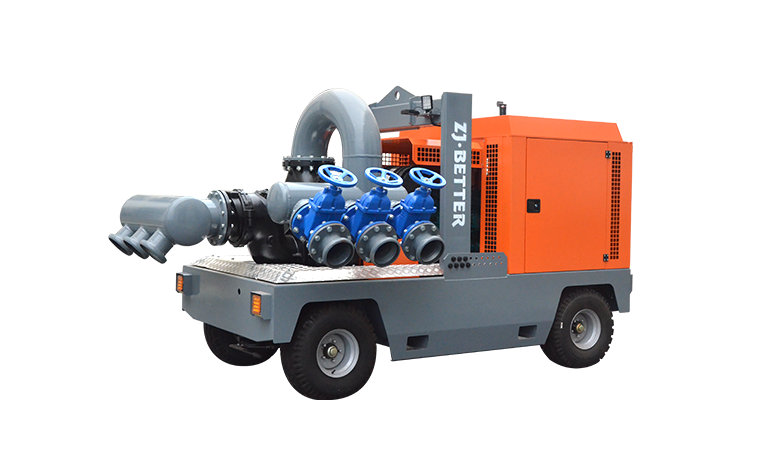
A fire pump is one of the most important components of a fire protection system. When a fire emergency occurs, the pump must start and deliver the required water flow and pressure without delay. For diesel-driven fire pumps, maintaining the cooling system is particularly important because the diesel engine generates significant heat during operation.
An improperly maintained cooling system can cause excessive engine temperature, reduced performance, premature component wear, unexpected shutdown, or even engine failure. In an emergency, these problems can compromise the ability of the entire fire protection system to deliver water when it is needed most.
Maintaining a fire pump cooling system does not simply mean checking the coolant level. It involves inspecting cooling water supplies, heat exchangers, radiators, hoses, belts, valves, filters, temperature indicators, and other related components. A systematic maintenance program helps identify problems before they become serious failures.
This guide explains how to maintain fire pump cooling systems and the key areas that fire safety professionals should pay attention to.
.jpg)
What Is a Fire Pump Cooling System?
A fire pump cooling system is designed to control the operating temperature of the pump driver, particularly the diesel engine used in diesel fire pump systems.
During operation, a diesel engine produces a large amount of heat. The cooling system transfers this heat away from critical engine components and helps keep the engine within its proper operating temperature range.
Depending on the fire pump design, the cooling arrangement may include components such as:
- Cooling water supply
- Heat exchanger
- Radiator
- Cooling fan
- Water pump
- Thermostat
- Hoses and piping
- Cooling water valves
- Strainers
- Temperature sensors or gauges
- Coolant reservoir
- Belts and pulleys
The exact configuration depends on the engine and fire pump package. Therefore, maintenance should always follow the manufacturer's instructions and the applicable project requirements.
Why Is Fire Pump Cooling System Maintenance Important?
The cooling system directly affects the reliability of a diesel fire pump. If cooling performance deteriorates, engine temperature can rise beyond the normal operating range.
Several problems can result from inadequate cooling:
1. Engine overheating
Insufficient cooling water, blocked passages, damaged hoses, or a malfunctioning thermostat can prevent effective heat removal. Excessive temperature can damage engine components and reduce operating reliability.
2. Reduced engine performance
An overheating engine may not operate at its expected performance level. Since the fire pump depends on the driver to provide sufficient power, engine performance problems can affect pump operation.
3. Premature component wear
Repeated overheating can accelerate deterioration of seals, gaskets, hoses, bearings, and other engine components.
4. Unexpected shutdown
Severe overheating may activate engine protection devices or cause the driver to shut down. A fire pump that cannot operate continuously during an emergency represents a serious reliability concern.
5. Increased maintenance costs
Small cooling system problems are generally easier and less expensive to correct than major engine damage caused by prolonged overheating.
For these reasons, fire pump cooling system maintenance should be treated as an essential part of the overall fire pump maintenance program.
How to Maintain a Fire Pump Cooling System
A practical maintenance program should combine routine visual inspections, operational checks, scheduled servicing, and detailed inspections of individual components.
1. Check the Cooling Water Supply
For systems using an external cooling water supply, verify that the cooling water is available and that the supply arrangement is functioning correctly.
Check valves should be in the correct operating position, and the cooling water pathway should remain unobstructed. A partially closed valve, blocked strainer, or restricted pipe can significantly reduce cooling performance.
During inspection, look for signs of leakage around connections, valves, fittings, and piping.
The cooling water supply should also be checked during pump operation to confirm that the system is receiving adequate cooling flow.
2. Inspect the Heat Exchanger
Many diesel fire pump systems use a heat exchanger to transfer heat from the engine coolant to the cooling water.
A heat exchanger should be inspected for:
- Water leakage
- Corrosion
- Blocked passages
- Damaged connections
- Abnormal temperature conditions
- Reduced cooling performance
Over time, deposits or contamination may reduce heat transfer efficiency. If the heat exchanger becomes restricted, the engine may gradually operate at higher temperatures.
Cleaning and servicing should be performed according to the engine and heat exchanger manufacturer's recommendations.
3. Inspect Radiators and Cooling Fans
For radiator-cooled diesel fire pumps, the radiator and fan assembly are essential for maintaining engine temperature.
Keep the radiator surface clean and free from dust, dirt, debris, and other materials that can restrict airflow.
The cooling fan should rotate correctly without unusual vibration or noise. Fan belts should also be checked for appropriate tension, cracking, excessive wear, or other damage.
A dirty radiator or poorly functioning fan can reduce airflow and cause the engine to run hotter than expected.
4. Check Hoses and Connections
Cooling hoses are exposed to heat, pressure, vibration, and aging. Over time, they may become cracked, hardened, swollen, or weakened.
During inspection, check hoses for:
- Cracks
- Bulges
- Abrasion
- Soft spots
- Coolant leakage
- Loose connections
- Deteriorated clamps
A small hose leak can gradually reduce coolant or cooling water availability. Replacing deteriorated hoses before failure is an important part of diesel fire pump maintenance.
5. Check Coolant Level and Condition
For systems using engine coolant, the coolant level should be checked according to the manufacturer's specified procedure.
Do not rely solely on visual inspection. The condition of the coolant should also be evaluated as part of scheduled maintenance.
Look for signs of contamination, abnormal discoloration, corrosion, or deposits. Coolant should be replaced according to the engine manufacturer's recommended service interval and specification.
Using an unsuitable coolant or mixing incompatible coolant types can create additional problems, so the correct coolant specification should always be confirmed before servicing.
6. Inspect the Thermostat
The thermostat helps regulate engine temperature by controlling coolant circulation.
A thermostat that remains closed can restrict coolant circulation and contribute to overheating. A thermostat that remains open may prevent the engine from reaching its intended operating temperature.
If engine temperature behaves abnormally, the thermostat should be considered as one possible cause during troubleshooting.
7. Monitor Engine Temperature
Temperature monitoring is one of the simplest ways to identify cooling system problems.
During routine operation and testing, observe the engine temperature gauge or monitoring system. Establish the normal operating range based on the engine manufacturer's specifications.
Unexpected temperature increases should not be ignored.
If the temperature gradually rises over multiple tests, investigate the cause before the problem develops into an overheating event.
8. Inspect Water Pumps and Related Components
The engine cooling circuit may include a water pump responsible for circulating coolant through the engine and cooling components.
Check for:
- Water or coolant leakage
- Abnormal noise
- Loose components
- Damaged seals
- Reduced circulation
- Signs of corrosion
If cooling performance decreases despite adequate coolant level and an open cooling water supply, the water pump and circulation system should be investigated.
How to Prevent Fire Pump Overheating
Preventing overheating is more effective than repairing an overheated engine.
Several practical measures can improve cooling system reliability:
Keep cooling passages clean. Dirt, scale, and debris can restrict cooling flow or airflow.
Maintain adequate cooling water. Insufficient cooling water can quickly affect heat removal.
Inspect valves regularly. Incorrect valve positions can restrict cooling water flow.
Replace damaged hoses promptly. Do not wait for a small leak to become a major failure.
Maintain radiator airflow. Keep radiator surfaces and surrounding areas free from obstructions.
Monitor temperature trends. Changes in normal operating temperature can provide an early warning of developing problems.
Follow engine maintenance intervals. Cooling system components should be serviced according to the manufacturer's requirements.
Use correct replacement parts. Components should be suitable for the specific engine and fire pump configuration.
Common Fire Pump Cooling System Problems
Understanding common problems can make troubleshooting more efficient.
High Engine Temperature
Possible causes include insufficient cooling water, blocked passages, dirty radiator surfaces, damaged fan components, low coolant level, thermostat problems, or inadequate airflow.
Cooling Water Leakage
Possible causes include damaged hoses, loose connections, worn seals, corrosion, or damaged fittings.
Low Cooling Water Flow
Possible causes include a partially closed valve, blocked strainer, restricted piping, or problems with the cooling water supply.
Frequent Temperature Fluctuations
Temperature instability may indicate problems with coolant circulation, thermostat operation, temperature sensors, or changing cooling conditions.
Abnormal Noise
Unusual noise from a fan, water pump, belt, or related component should be investigated rather than ignored.
The exact cause should always be confirmed through appropriate inspection and testing instead of replacing components based only on symptoms.
How Often Should a Fire Pump Cooling System Be Maintained?
Maintenance frequency depends on the fire pump design, engine manufacturer, operating environment, applicable regulations, and project requirements.
Routine visual inspections should be incorporated into regular fire pump inspection and testing activities. More detailed maintenance should follow the manufacturer's recommended service intervals and the requirements applicable to the installation.
Fire pumps installed in dusty, corrosive, humid, or high-temperature environments may require additional attention.
It is also important to keep accurate maintenance records. Records should identify inspection dates, observed temperatures, cooling system conditions, replacement parts, corrective actions, and test results. A good maintenance history makes it easier to identify trends and recurring problems.
A Practical Maintenance Approach for Fire Safety Teams
A reliable fire pump cooling system should be managed as part of the complete fire pump package rather than as an isolated component.
During routine maintenance, technicians should consider the relationship between the engine, cooling system, fuel system, controller, pump, valves, and water supply.
For example, if a diesel fire pump repeatedly shows elevated engine temperature, simply adding coolant may not solve the underlying problem. The technician should investigate cooling water flow, radiator condition, heat exchanger performance, thermostat operation, fan condition, hoses, and other related components.
This systematic approach helps prevent repeated failures and improves overall fire pump reliability.
.jpg)
Conclusion
Maintaining a fire pump cooling system is essential for keeping diesel fire pumps ready for emergency operation. Effective maintenance involves more than checking coolant levels. Cooling water supplies, heat exchangers, radiators, fans, hoses, thermostats, water pumps, temperature indicators, and related components all require appropriate inspection and servicing.
Regular maintenance can help prevent overheating, reduce unexpected failures, extend equipment service life, and support reliable fire protection system performance.
For facility owners, fire protection contractors, engineers, and maintenance teams, the key principle is simple: identify cooling problems early, follow the manufacturer's maintenance requirements, and verify system performance through regular inspection and testing.
Next: